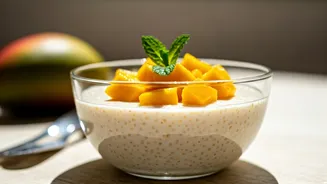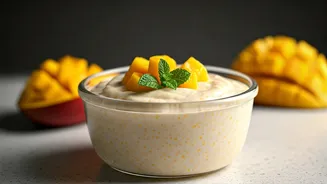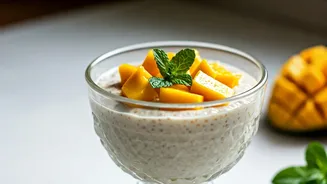



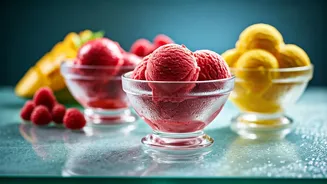
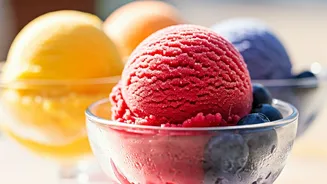


What is This Viral Fruit Snow?
If you’ve scrolled through social media recently, you’ve likely seen mesmerising videos of people scraping frozen fruit into delicate, fluffy piles of vibrant 'snow.' This trend, often called 'shaved fruit' or 'fruit scraping,' is exactly what it sounds
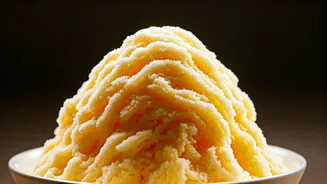
like: a block of frozen fruit, typically mango, being scraped with a fork or spoon to create a texture that’s a cross between a sorbet and a snow cone. It’s a minimalist dessert that celebrates the pure flavour of the fruit. Unlike ice cream or traditional golas, this treat contains no added sugar, water, or dairy, making it an incredibly healthy way to satisfy a sweet craving. Its popularity stems from its simplicity, visual appeal, and the pure, intense fruit flavour that comes from using nothing but the fruit itself.
Choosing and Prepping Your Mango
The success of your mango snow begins with the right fruit. Opt for a ripe, sweet mango. Varieties like Alphonso, Kesar, or Dasheri are perfect due to their low fibre content and intense sweetness. An under-ripe mango will result in an icy, sour-tasting snow. Once you have your mango, wash it thoroughly. You can prepare it in two ways. The easiest method is to simply slice the mango in half, remove the seed, and leave the skin on. The skin provides a natural 'bowl' and gives you something to hold onto while scraping. Place the mango halves, cut-side up, on a plate or in a container. The second method involves peeling the mango, slicing it into large, flat chunks, and placing them on a tray. The first method is generally easier for beginners.
The Freezing and Scraping Technique
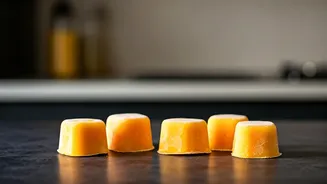
Patience during the freezing stage is key. Place your prepared mango in the freezer for at least 4-6 hours, or ideally, overnight. You want it to be frozen solid. A partially frozen mango will turn mushy instead of creating light, icy flakes. Once it's rock-solid, take it out and let it sit on the counter for 5-10 minutes. This slight thaw is crucial; it softens the surface just enough to allow you to scrape it. If you try to scrape it straight from the freezer, it will be too hard. Now, for the main event. Hold the frozen mango half firmly in one hand. With the other, take a sturdy metal fork or a spoon and begin scraping the surface with firm, downward strokes. Don't press too hard. The goal is to 'shave' the surface, creating thin, fluffy ribbons of frozen mango that will pile up in your bowl like freshly fallen snow.
Pro-Tips for Perfect Fruit Snow
While the process is simple, a few tips can elevate your fruit snow from good to great. First, the tool matters. A fork tends to create a fluffier, more snow-like texture, while a spoon can produce slightly denser, ribbon-like shavings. Experiment to see which you prefer. If your mango isn’t as sweet as you’d like, you can drizzle a tiny bit of honey or condensed milk over it before freezing. For a classic Indian twist, a pinch of chaat masala or black salt sprinkled on top after scraping adds a delightful tangy and savoury contrast. Don’t limit yourself to mangoes! This technique works wonderfully with other high-sugar, low-water fruits like pineapple, melon, and even creamy bananas. Just be sure to freeze them in flat, wide blocks for easier scraping.
Serving and Customisation Ideas
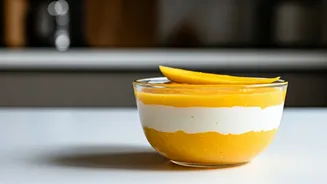
The beauty of mango snow lies in its simplicity, but it also serves as a fantastic base for creative toppings. Serve it immediately, as it melts quickly. For a decadent treat, drizzle it with sweetened condensed milk for a flavour reminiscent of a classic mango dessert. For a bit of texture, add a sprinkle of toasted coconut flakes, chopped nuts, or even some popping boba. If you enjoy a spicy-sweet combination, a dash of red chilli powder can be surprisingly delicious. You can also mix different fruit snows together—imagine a bowl with swirls of yellow mango and pink watermelon. It’s a perfect breakfast, a refreshing afternoon snack, or a light and healthy dessert that is sure to impress.