

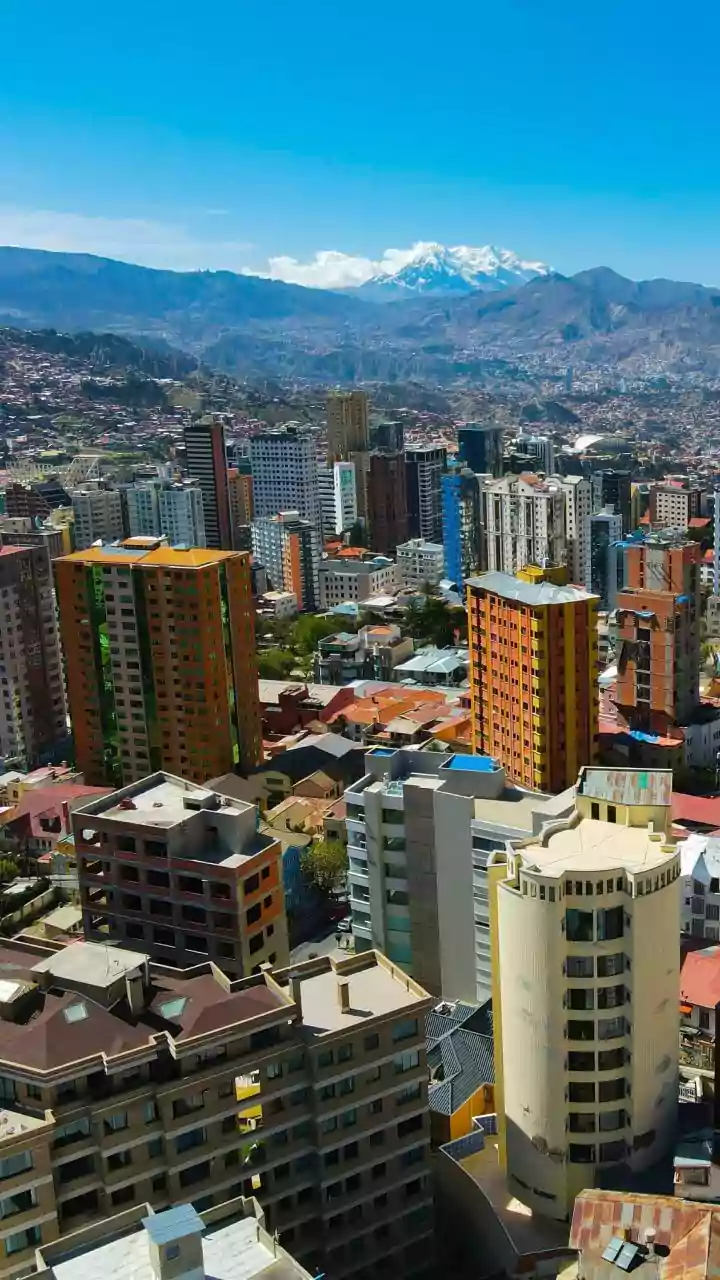




The City's Night-Time Fever
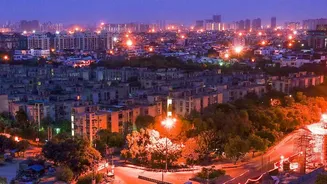
This phenomenon is known as the 'Urban Heat Island' (UHI) effect. In simple terms, urban areas can be significantly warmer than their surrounding rural landscapes, with nighttime temperatures sometimes being 2-5°F higher, and in some cases, much more.
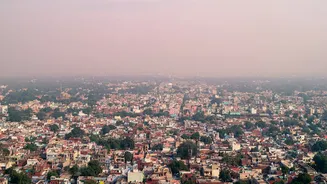
This happens because cities have fundamentally altered the natural environment. Where forests and fields once stood, we now have roads, buildings, and parking lots. These man-made structures interact with the sun's energy in a completely different way than natural landscapes do, creating pockets of intense heat that persist long after dark.
Concrete and Asphalt: The Heat Sponges
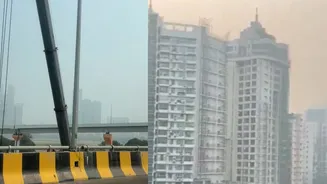
The primary culprits behind the UHI effect are the materials we use to build our cities. Dark surfaces like asphalt and concrete are incredibly efficient at absorbing the sun's energy. During the day, they can absorb up to 95% of the solar radiation that hits them, acting like giant thermal batteries. Unlike a grassy field, which quickly releases heat after sunset, these dense materials slowly radiate that stored warmth back into the air throughout the evening and night. This slow release of heat is what keeps city temperatures elevated. To make matters worse, the 'canyon' effect of tall buildings traps this re-radiated heat, preventing it from escaping into the upper atmosphere.
The Cooling Power of Greenery
Vegetation works as a natural air conditioner. Trees provide shade, which prevents solar radiation from reaching the ground in the first place. More importantly, plants cool the surrounding air through a process called evapotranspiration, where they release water vapour, which absorbs heat from the environment. Studies have shown that even a modest increase in tree cover can significantly lower local air temperatures. Large parks and green spaces can create cooling effects that reduce temperatures by several degrees compared to purely built-up areas. When we replace this vital greenery with non-porous, heat-absorbing concrete, we eliminate the planet's own cooling mechanism exactly where we need it most.
How Heat Hijacks Your Sleep
This sustained nighttime heat has a direct and detrimental impact on human sleep. Our bodies are programmed to follow a 24-hour cycle known as the circadian rhythm, and temperature is a critical cue for this clock. To initiate and maintain sleep, our core body temperature needs to drop. When the ambient temperature is too high, it becomes much harder for the body to shed this heat. This interference can lead to increased wakefulness, difficulty falling asleep, and a reduction in the most restorative stages of sleep, like slow-wave and REM sleep. Essentially, your body has to work against its environment just to achieve the basic physiological conditions required for rest.
Throwing Your Body Clock Out of Sync
Beyond just making sleep uncomfortable, chronic exposure to high nighttime temperatures can disrupt the entire circadian system. This internal clock governs not just sleep but also hormone release, metabolism, and immune function. When environmental cues like temperature are out of sync with our natural rhythms, it can lead to what is known as circadian misalignment. Over time, this disruption is linked to a host of negative health outcomes, including an increased risk for metabolic disorders like obesity and diabetes, cardiovascular problems, and even mental health issues. The persistently warm nights in our cities are, in effect, sending our bodies confusing signals, telling them it's still daytime when they should be resting and repairing.
Designing Cooler, Healthier Cities
The good news is that this is a fixable problem. The same urban planning that created heat islands can be used to dismantle them. Strategies known as 'nature-based solutions' focus on re-integrating greenery into the urban fabric. This includes planting more street trees, creating more parks and community gardens, and installing 'green roofs' and vertical gardens on buildings. Another approach involves using 'cool' materials for pavements and roofs—lighter-coloured, reflective surfaces that absorb less of the sun's heat. By making conscious choices about the materials we use and prioritising green and blue infrastructure (like ponds and wetlands), cities can reduce temperatures, promote better sleep, and create more resilient, livable environments for everyone.