






Why Are Roadside Fruits a Risk?
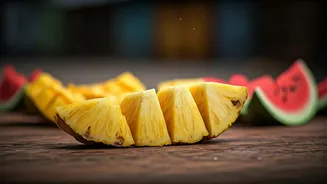
The convenience of buying peeled and sliced fruits from a street vendor is undeniable. However, this practice carries significant health risks, particularly during the rainy season. The primary danger lies in contamination. [7] Fruits may be washed with
unsafe water, handled with unhygienic hands, or exposed to dust and flies for long periods. [7, 22] Knives and cutting boards used for multiple fruits without cleaning can also spread bacteria. Pre-cut fruits that sit in the open air, especially in humid weather, create an ideal environment for harmful germs like Salmonella Typhi, the bacterium that causes typhoid, to multiply. [7, 14]
The Monsoon Magnifies the Danger
The monsoon season, while a relief from the heat, dramatically increases the risk of water-borne illnesses. [3, 9] Heavy rains can cause sewage systems to overflow, contaminating public water sources that vendors might use to wash produce. [2, 3] The high humidity in the air during this season also helps bacteria and fungi to thrive and multiply more rapidly on exposed food items. [7, 11] Furthermore, stagnant water puddles become breeding grounds for flies and other pests, which can easily transfer germs from waste onto the food you are about to eat. [7] This combination of factors makes the monsoon a peak season for typhoid fever cases. [3, 8]
Understanding Typhoid Fever
Typhoid fever is a life-threatening infection caused by the bacterium Salmonella Typhi. [19] It spreads primarily through the consumption of contaminated food or water. [5, 19] Once ingested, the bacteria multiply and enter the bloodstream, causing a range of symptoms. [19] Unlike other forms of salmonella that cause more common food poisoning, typhoid is a more severe illness that requires prompt medical attention. [4] It is crucial to recognise the symptoms early to prevent serious complications. [5] Globally, typhoid affects millions of people annually, with a higher prevalence in areas with poor sanitation and hygiene. [4, 23]
Warning Signs to Watch For
The symptoms of typhoid fever usually develop one to three weeks after exposure to the bacteria. [16] A key sign is a prolonged, high fever that gradually increases, often in a step-ladder pattern. [5, 16] Other common symptoms include persistent headaches, weakness and fatigue, muscle aches, stomach pain, and a loss of appetite. [2, 5, 10] Some people may experience either constipation or diarrhoea. [16] A rash consisting of small, rose-coloured spots may appear on the abdomen and chest in some cases, although it may not be visible on all skin tones. [5, 10] If you experience a persistent high fever with any of these symptoms, especially during monsoon, it is vital to see a doctor immediately. [10]
How to Enjoy Fruits Safely
The risk of typhoid doesn't mean you have to give up fruits entirely. The key is to be cautious and follow food safety guidelines. [6] Health experts strongly advise against eating pre-cut fruits from street vendors. [7, 14] Instead, buy whole fruits and wash them thoroughly at home under clean, running water before peeling and cutting them yourself just before consumption. [13, 14] It is best to use potable water for washing; you can also soak them in salt water for a few minutes. [14] Always wash your hands with soap and water before handling food. [18] If you must eat outside, opt for foods that are served piping hot, as high temperatures kill most harmful bacteria. [6, 23]
Beyond Fruits: Other Monsoon Food Risks
The warning about contamination extends beyond fruits. Other popular street foods and drinks can also be risky during the rainy season. This includes items with raw chutneys or sauces, fresh juices made with unverified water sources or ice, and dishes like chaat or pani puri where contaminated water might be a component. [6, 7] Experts recommend avoiding juices from roadside stalls and being wary of any uncooked food items. [23] The safest options are typically sealed packaged snacks or items that are cooked fresh in front of you and served hot. [6] Always prioritize hygiene and choose vendors who visibly maintain clean stalls and practices. [6]