



Your Window to the Cosmos
The universe can feel impossibly vast, but you don't need a PhD in astrophysics or a powerful telescope to start exploring it. Thanks to modern technology, anyone with a smartphone can now identify stars, planets, and even human-made objects like the
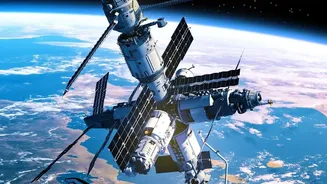
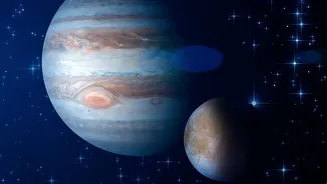
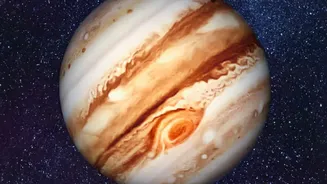
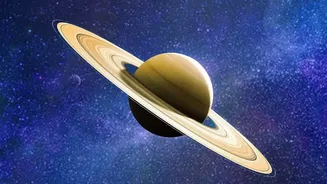
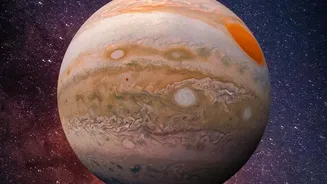
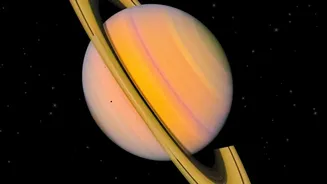
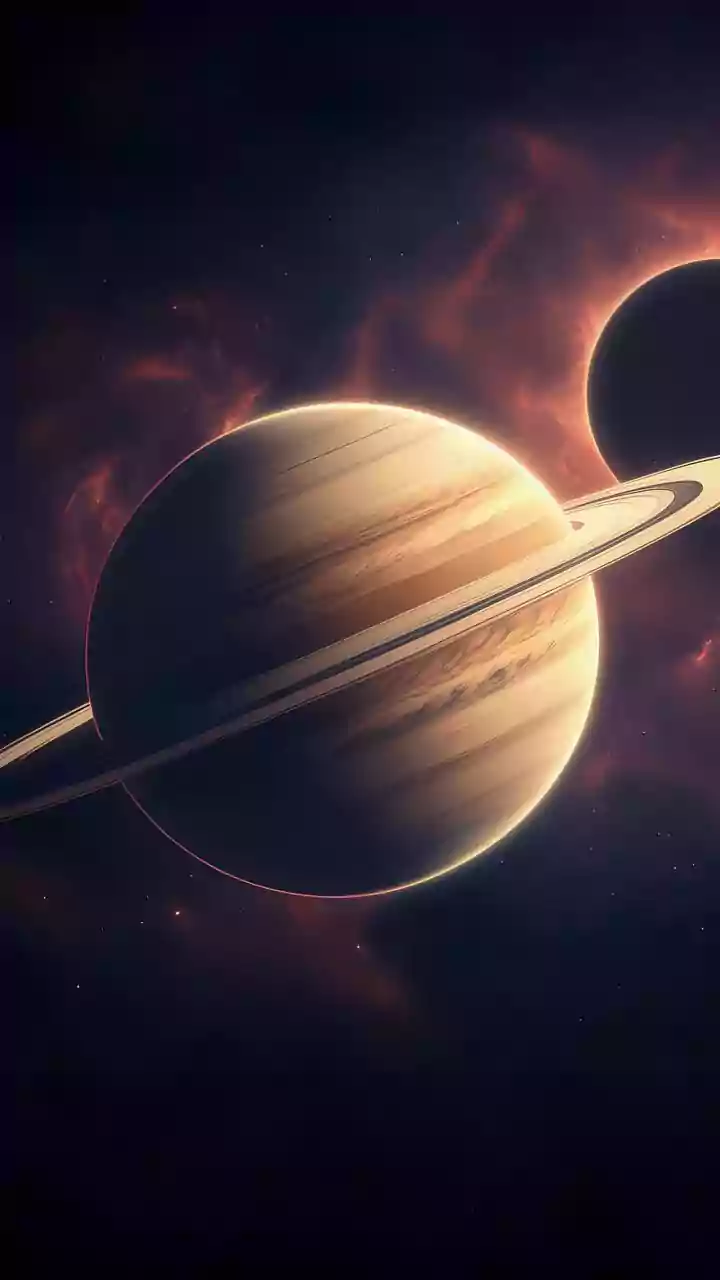
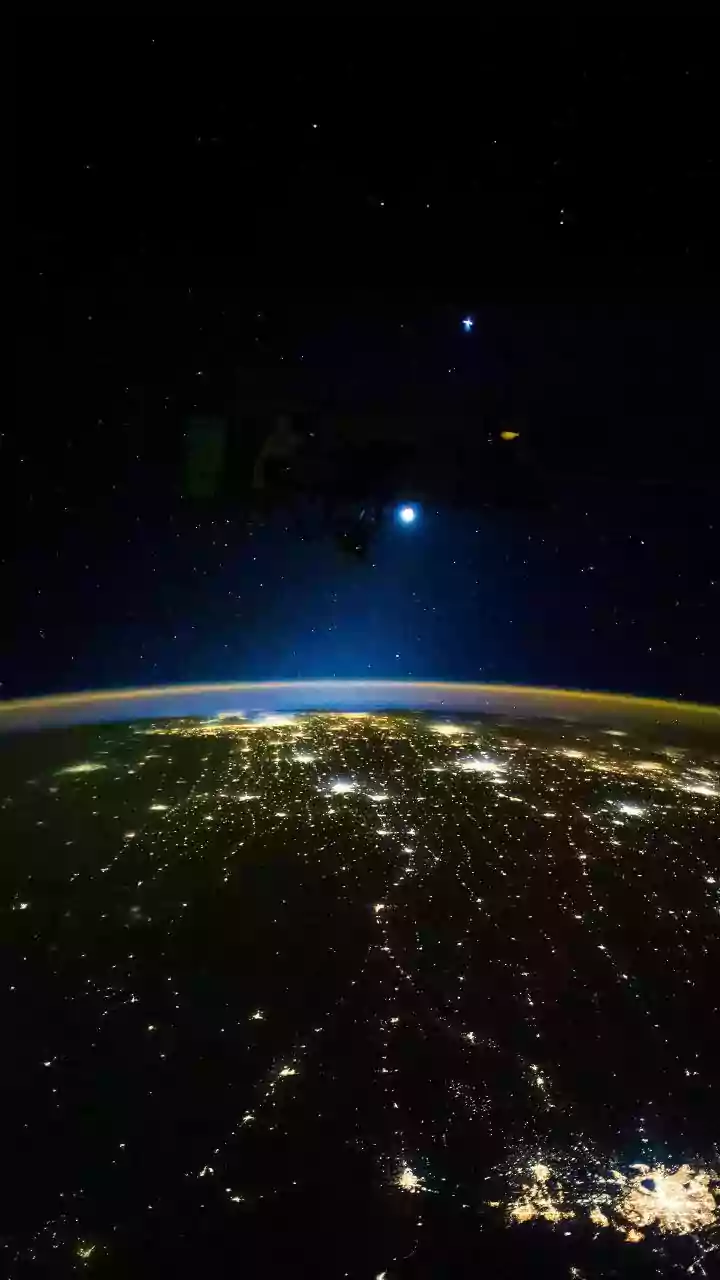
International Space Station (ISS) with remarkable ease. These apps use your phone's built-in GPS and compass to create an augmented reality (AR) map of the sky right above you. Simply point your phone upwards, and the app will show you exactly what's there. For late August 2026, both Jupiter and Saturn are visible in the night and early morning sky, making it a perfect time to begin your skywatching journey. These celestial giants, along with the fast-moving ISS, are three of the most rewarding objects for a beginner to spot.
Top Apps for Instant Stargazing
Choosing the right app can make all the difference. While many options exist, a few stand out for their user-friendly design and powerful features, even in their free versions. Star Walk 2 is often recommended for beginners due to its beautiful visuals and satellite tracker. SkyView Lite is another excellent free choice, praised for its simple point-and-identify functionality and ability to set reminders for celestial events. For those wanting a more realistic and comprehensive map, Stellarium Mobile is a fantastic option that originated as a beloved desktop program. Many of these apps offer a free version that is more than powerful enough to get you started, with options to upgrade for access to more extensive object catalogues.
Finding Jupiter and Saturn
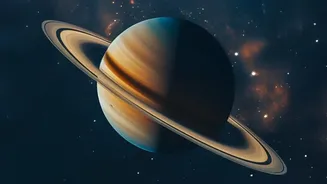
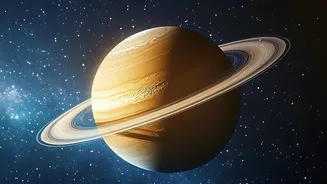
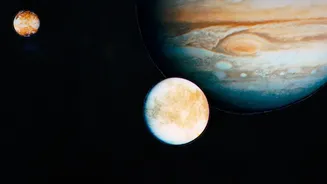
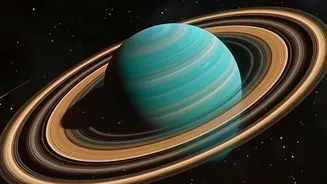
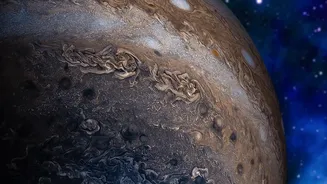
Jupiter, the largest planet in our solar system, appears as a very bright, steady, star-like object. Saturn is also bright but often has a slightly yellowish hue. To find them using an app like SkyView or Stellarium, you don't even need to know which direction to look. Open the app and use the search function (usually a magnifying glass icon). Type in “Jupiter” or “Saturn.” The app will then display an arrow on your screen. All you have to do is move your phone to follow the arrow until the target is centered on your screen. The app will overlay the planet's name and other information right on your live camera view, confirming your discovery. It's truly that simple.
Tracking the International Space Station
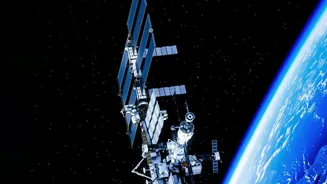
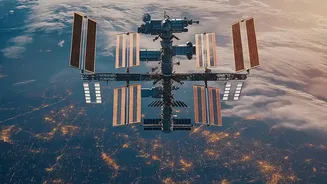
Spotting the ISS is a different kind of thrill. It doesn't look like a planet; instead, it appears as a very bright, fast-moving point of light, like a star crossing the sky without blinking. Because it orbits Earth so quickly, it’s only visible from your location for a few minutes at a time during specific passes. This is where apps become essential. Many general stargazing apps like Star Walk 2 and SkyView can track and identify the ISS. For dedicated trackers, NASA offers its own official Spot The Station app, which provides precise viewing times and alerts for your location. ISS Detector is another popular choice specifically for tracking the space station and other bright satellites. Set up notifications, and the app will tell you exactly when to head outside and look up.
Tips for the Best Viewing Experience
To make your first stargazing session a success, a little preparation goes a long way. First, give your eyes time to adjust to the darkness—it can take up to 20 minutes to achieve true night vision. Many apps have a red-light “night mode” to help preserve it. If possible, get away from bright city lights, as light pollution can wash out all but the brightest objects. A local park or even a dark corner of your backyard can be a good start. Finally, be patient and have fun with it. The joy of skywatching comes from that magical moment of connection when you identify an object millions of miles away with a tool you hold in your own hand.