





What Exactly Is Bonalu?
At its heart, Bonalu is a folk festival centred on honouring the Mother Goddess, Mahakali, and her various forms. The name comes from 'Bonam', the Telugu word for a meal or feast, which is the principal offering. It's a thanksgiving festival, where devotees
express gratitude for answered prayers and seek protection from disease and misfortune. The festival’s origins trace back to the 19th century, when a plague devastated Hyderabad. A military battalion stationed in Ujjain vowed to honour Goddess Mahakali if she ended the plague. When the epidemic subsided, they fulfilled their promise, and the tradition has continued ever since, becoming a State Festival of Telangana in 2014.
The Heart of the Ritual: The Bonam
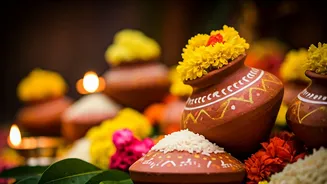
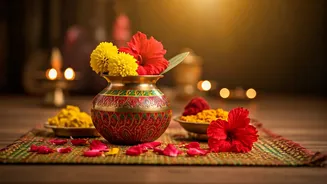
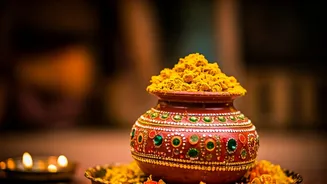
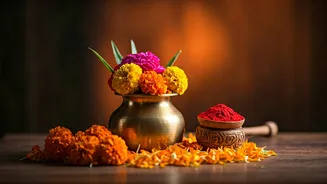
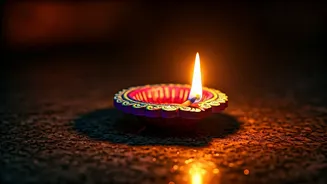
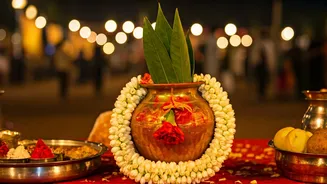
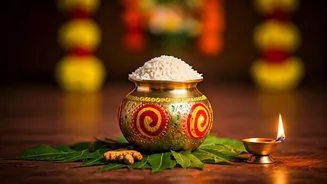
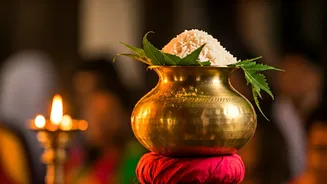
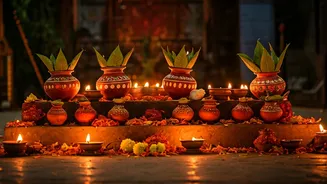
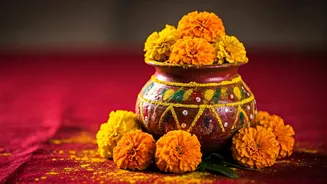
The central ritual is the offering of the 'Bonam'. Women, dressed in traditional silk sarees, prepare rice cooked with milk and jaggery in a new brass or earthen pot. This pot is decorated with turmeric, vermilion, and neem leaves, with a lamp often lit on top. Carrying these ornate pots on their heads, they proceed in processions to the temple to make their offering to the Goddess. It's believed that women carrying the Bonam can enter a trance-like state, embodying the spirit of the Goddess herself. As they walk, other devotees may sprinkle water on their feet as a sign of respect and to pacify the fierce divine energy.
Key Sights and Sounds to Expect
Bonalu is a sensory explosion. Beyond the processions of women with Bonams, look out for the Pothuraju. Believed to be the Goddess's brother, he is a muscular, bare-chested man with turmeric smeared on his body, who leads the procession, dancing energetically and lashing a whip. You will also see 'Ghatams', which are decorated copper pots representing the Goddess, carried by priests. These are part of processions throughout the festival and are immersed in water on the final day. The air is filled with the resounding beats of drums, folk songs, and an atmosphere of collective devotion and celebration.
Where and When to Go in 2026
Bonalu is a month-long affair celebrated during the Hindu month of Ashada Masam, with festivities peaking on four successive Sundays. For 2026, the main festival days fall on July 19, July 26, August 2, and August 9. The celebrations traditionally kick off at the Jagadamba temple atop Golconda Fort on the first Sunday. Subsequent Sundays see massive gatherings at the Ujjaini Mahakali Temple in Secunderabad and finally, the Sri Mahankali Temple in Lal Darwaza in Hyderabad's Old City. Each location has its own unique flavour, but all are crowded, vibrant, and deeply spiritual.
A First-Timer's Etiquette Guide
To fully enjoy the experience, a few tips can help. Dress modestly; comfortable traditional wear is a great choice. Be prepared for large crowds, loud music, and intense energy. While photography is common, always be respectful, especially of devotees and those performing rituals or in a trance; ask for permission when possible. It's a communal event, and you may be offered 'prasadam' (blessed food). Accepting it is a gesture of respect. The key is to be an observant and considerate visitor, allowing yourself to be immersed in the powerful display of faith without being intrusive.
The Oracle and the Feast
Two other unique aspects round out the Bonalu experience. One is 'Rangam', or the oracle's prophecy, which takes place the morning after the main celebrations. A woman, believed to be possessed by the spirit of the Goddess, foretells the year ahead for the state. Secondly, Bonalu is also about family and community feasting. After the offerings are made, families gather for elaborate meals, sharing the festive spirit with relatives and guests. It’s a time of both divine offering and earthly celebration, reflecting the deep cultural fabric of Telangana.