




The Hidden Power in Your Kitchen Bin
Every day, kitchens across India generate a significant amount of organic waste. From potato and carrot peels to the remnants of your morning chai, these scraps are often discarded without a second thought. However, this 'waste' is actually a treasure
trove of essential plant nutrients. Banana peels are packed with potassium, crucial for flowers and fruits. Used tea leaves and coffee grounds provide a gentle source of nitrogen, which promotes lush, green foliage. Eggshells contribute calcium, helping to strengthen plant cell walls and balance soil acidity. By repurposing these items, you not only divert waste from landfills but also create 'black gold' for your garden, a rich, organic supplement that commercial fertilizers often struggle to replicate.
What to Use and What to Avoid
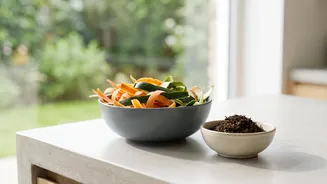
Getting started is easy, but it's important to know which scraps are helpful and which can cause problems. Most plant-based waste is perfect for your DIY fertilizer project. Good-to-go items include fruit and vegetable peels, used tea leaves (remove any staples from bags), coffee grounds, crushed eggshells, and even the water you've used to boil vegetables or pasta (once cooled). However, you should avoid adding meat, fish, dairy products, and oily or greasy foods. These items can attract pests, create foul odours, and disrupt the decomposition process. It's also wise to use citrus peels in moderation, as they can be quite acidic.
Method 1: The 'Fertilizer Tea' Soak
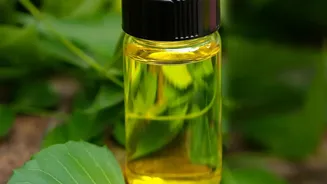
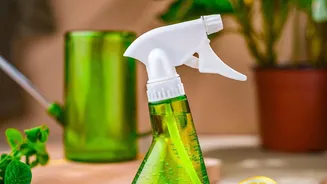
One of the quickest ways to extract nutrients is by creating a liquid fertilizer, often called a 'compost tea'. This method is ideal for those without space for a large compost pile. Simply place your collection of vegetable peels, banana skins, and other scraps into a large bucket or jar, and fill it with water. Cover the container loosely and let the mixture steep for three to five days. The water will slowly draw out the soluble nutrients, creating a potent liquid feed. After a few days, strain the liquid from the solids. Dilute this 'tea' with water at a ratio of about one part fertilizer to five parts water before applying it to the base of your plants. This provides an immediate nutrient boost that plant roots can easily absorb.
Method 2: The Classic Compost Pile
If you have a bit more space in a balcony or yard, traditional composting is an incredibly effective way to turn a larger volume of waste into rich soil conditioner. The process involves layering your 'green' materials (nitrogen-rich kitchen scraps) with 'brown' materials (carbon-rich dried leaves, shredded cardboard, or cocopeat). Start with a layer of browns in a bin or designated pile, add your kitchen waste, and then cover it with another layer of browns. Keep the pile moist but not waterlogged, and turn it with a shovel or fork every week or two to introduce oxygen, which speeds up decomposition and prevents odours. In a few months, the waste will transform into a dark, crumbly, soil-like material that can be mixed directly into your garden beds or potting soil.
Method 3: Direct-to-Soil Application
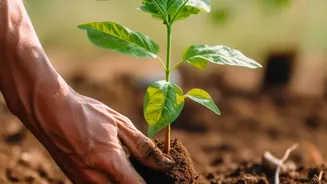
For the ultimate low-effort approach, some scraps can be added directly to the soil. You can bury banana peels a few inches deep near the roots of plants like tomatoes or roses, where they will slowly decompose and release potassium. Crushed eggshells can be sprinkled around the base of plants to provide a slow release of calcium and deter some pests like slugs and snails. Spent tea leaves can be worked into the top layer of soil to improve its structure and water retention, especially for potted plants. This method is less about creating a balanced fertilizer and more about providing a targeted nutrient boost and improving overall soil health with minimal fuss.