



Why Leaving the City Is Essential
The single biggest obstacle to enjoying a meteor shower is light pollution. The bright, ever-present glow of urban centres creates a permanent twilight that washes out all but the brightest celestial objects. To truly experience the magic of dozens of shooting
stars streaking across the sky, you need darkness. This is why non-metro India is your best ticket to a great show. Escaping to the hills, a quiet beach, or even the outskirts of a small town can dramatically increase the number of meteors you'll see. The goal is to find a spot with a wide, unobstructed view of the sky, far from the glare of streetlights and buildings. This simple change of scenery can mean the difference between seeing a handful of meteors and witnessing a celestial downpour.
Your October Show: The Orionids
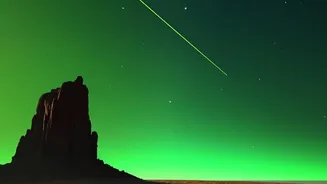
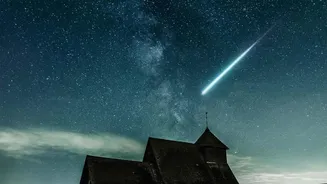
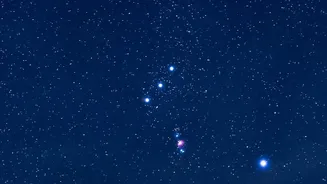
The main event this autumn is the Orionid meteor shower, which will peak in the pre-dawn hours of October 21-22, 2026. These meteors are known for being particularly fast and can leave glowing trails that linger for a few seconds after the initial flash. The Orionids are born from the debris trail of one of the most famous comets in history: Halley's Comet. Each October, Earth passes through this stream of ancient dust particles. To watch, find a dark spot after midnight and look towards the constellation of Orion the Hunter, though meteors can appear anywhere in the sky. Observers in ideal, dark locations can expect to see around 15 to 25 meteors per hour during the peak. While a waxing gibbous moon will be present in 2026, it is expected to set in the early morning hours, leaving a window of dark sky just before dawn for prime viewing.
Remembering the Perseids
The headline also mentions the Perseids, one of the most popular meteor showers of the year. It's important to note that the Perseids peaked on August 12-13, 2026. So, while you may have missed this year’s spectacular display, which coincided with a new moon for perfect viewing conditions, it’s an annual event worth marking on your calendar for next August. The Perseids are caused by debris from the comet Swift-Tuttle and are famous for producing a high number of bright meteors—sometimes up to 100 per hour under perfect conditions. They appear to radiate from the constellation Perseus but can be seen across the entire sky.
Tips for a Perfect Night of Skywatching
You don’t need any special equipment to enjoy a meteor shower—your eyes are the best tool. First, find a safe, dark location away from city lights with an open view. Give your eyes at least 20-30 minutes to fully adjust to the darkness; this will help you spot the fainter meteors. Comfort is key, as you might be outside for a while. Bring a blanket or a reclining chair so you can lie back and look up without straining your neck. Even on a mild autumn night, it can get chilly in the pre-dawn hours, so dressing in warm layers is a good idea. Finally, patience is essential. Meteor showers come in spurts, so relax and enjoy the quiet beauty of the night sky while you wait for the show to begin.
India's Premier Dark Sky Havens
For those willing to travel for an truly unforgettable experience, India is home to some world-class stargazing locations. Hanle in Ladakh is perhaps the most famous, being India’s first designated Dark Sky Reserve, offering pristine, high-altitude skies. Spiti Valley in Himachal Pradesh is another excellent choice, providing Ladakh-like conditions with its cold desert climate and minimal light pollution. For those in other parts of the country, the Rann of Kutch in Gujarat offers a unique 360-degree horizon over the salt flats, creating a surreal viewing environment. In the south, the coffee estates of Coorg in Karnataka provide surprisingly dark skies away from major city centres. Even if you can’t make it to one of these spots, a short drive out of your town or city to a more rural area can make all the difference.