


Meet Jowar, The Ancient Grain Reinvented
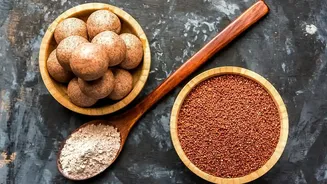
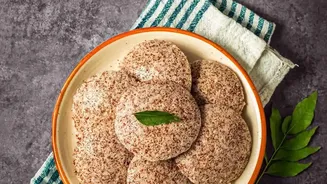
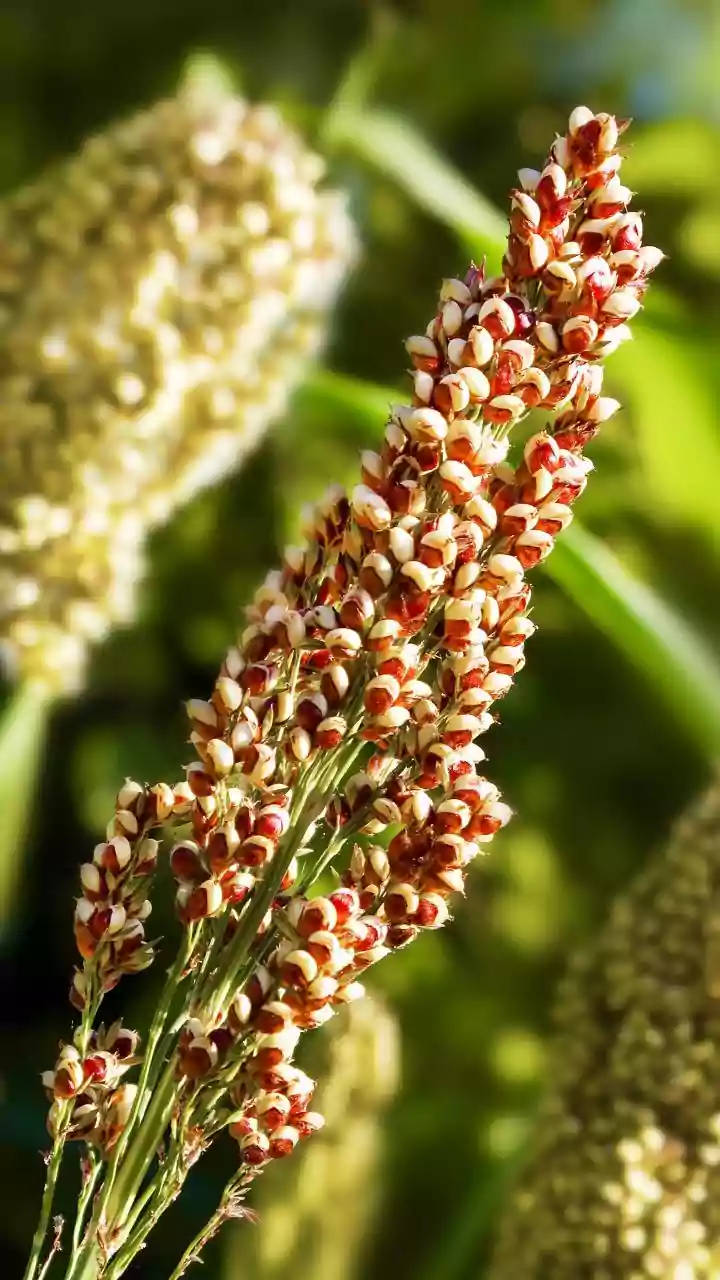
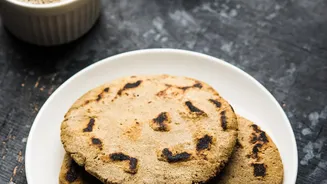
Sorghum, known locally in India as jowar, is far from a new discovery. This hardy millet has been a staple food in parts of India for thousands of years, traditionally used to make flatbreads like bhakri or roti. It's a grain celebrated for its resilience
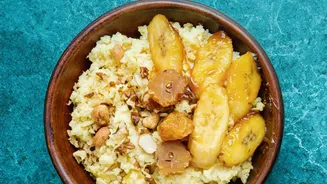
and nutritional value. But today, chefs and home bakers are looking at jowar with fresh eyes. Milled into a fine, soft flour, it is breaking out of its traditional mould and finding its way into everything from pancakes to, most surprisingly, Western-style desserts. This shift represents a broader movement: the rediscovery of indigenous ingredients to create healthier, yet globally appealing, foods. As consumers increasingly seek alternatives to refined wheat flour, ancient grains like sorghum are stepping into the spotlight.
The Nutritional Edge in Every Bite
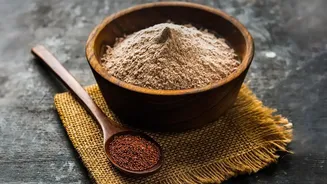
So, what makes sorghum flour a 'healthy' choice? The benefits are impressive. First and foremost, it is entirely gluten-free, making it a safe and excellent option for individuals with celiac disease or gluten sensitivity. Unlike some gluten-free flours that can be gritty or dry, sorghum flour has a smooth texture and a mild, slightly sweet flavour that blends beautifully into recipes. But its advantages go beyond being gluten-free. Sorghum is a powerhouse of nutrition. It is high in dietary fibre, which aids digestion, promotes a feeling of fullness, and helps regulate blood sugar levels. It is also rich in antioxidants, which combat cellular damage, and provides essential nutrients like protein, iron, and B vitamins. This impressive profile means that swapping it into a recipe doesn't just remove gluten; it actively adds nutritional value.
The Perfect Flour for Fudgy Brownies
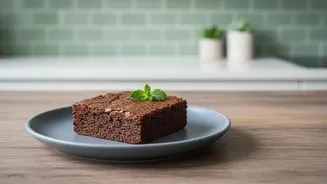
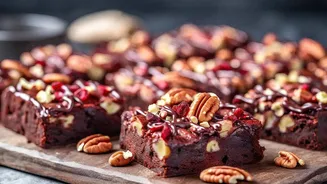
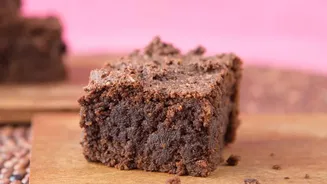
While sorghum flour is versatile, it has a particular chemistry with rich, moist baked goods like brownies. Its mild, slightly sweet taste doesn't overpower the deep flavour of chocolate, instead complementing it perfectly. More importantly, its properties help create that dense, fudgy texture that brownie lovers crave. Sorghum flour helps retain moisture, preventing the final product from becoming dry or crumbly—a common pitfall in gluten-free baking. While it doesn't contain gluten, its protein structure contributes to a stable, soft crumb. For the best results, bakers often find that using sorghum flour as part of a blend, typically making up 20-40% of the total flour, yields the perfect balance of flavour and structure without any of the gumminess that can come from other binders. In a rich recipe like brownies, where density is a virtue, sorghum shines.
More Than a Brownie: A Baking Revolution
The use of jowar in brownies is a delicious example of a much larger trend. All over India and the world, bakeries are moving away from a singular reliance on refined all-purpose flour. This 'healthy bakery revolution' is about innovation through tradition. It involves looking back at ancient grains like ragi (finger millet), bajra (pearl millet), and jowar (sorghum) and reimagining their role in the modern kitchen. These grains are not just nutritionally superior; they are often more sustainable and better adapted to local climates. This movement is driven by a new generation of health-conscious consumers who aren't willing to compromise on taste. They want desserts that are both indulgent and nourishing. By incorporating these flours, bakers are creating products that cater to diverse dietary needs—from gluten-free to diabetic-friendly—while also introducing unique flavours and textures that refined flour simply cannot match.