






The Flying Taxi Arrives
The dream of flying over traffic-snarled streets is getting closer to reality thanks to a major partnership. InterGlobe Enterprises, the parent company of IndiGo, is teaming up with US-based Archer Aviation to launch an all-electric air taxi service in India,
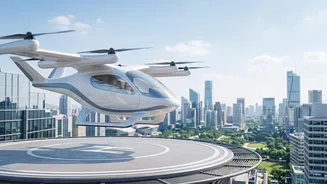
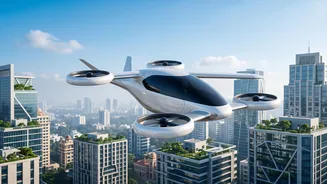
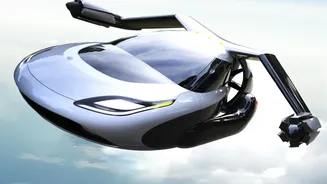
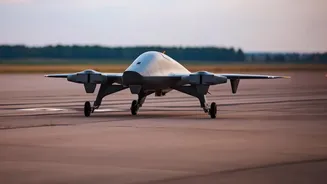
with plans to start as early as 2026. The goal is to introduce 200 of Archer’s “Midnight” aircraft, a type of electric vertical take-off and landing (eVTOL) vehicle. Think of it as a quiet, eco-friendly helicopter designed for city travel. These aircraft can carry four passengers and a pilot, taking off and landing straight up and down from dedicated pads called vertiports. This model allows them to operate in dense urban environments without needing traditional runways.
A Seven-Minute Commute
For Delhi residents, the most exciting promise is a dramatic reduction in travel time. The initial route will connect Connaught Place in Delhi with Gurugram in Haryana. This 27-kilometre journey, which can easily take 60 to 90 minutes by car during peak hours, is projected to take just seven minutes by air taxi. The service aims to offer a direct, high-speed link between two of the National Capital Region's most important commercial hubs. While the initial focus is on the Delhi-Gurugram corridor, similar services are also planned for Mumbai and Bengaluru, two other cities plagued by chronic traffic congestion.
The All-Important Question: Cost
Speed and convenience are appealing, but for most commuters, the deciding factor is price. The estimated cost for the seven-minute flight between Connaught Place and Gurugram is expected to be between ₹2,000 and ₹3,000 per passenger. This price point is significantly higher than a metro ride but is being positioned as competitive with premium app-based cab services, especially when factoring in the time saved. By comparison, a 90-minute car ride for the same route can cost around ₹1,500. The companies involved aim to make the service an affordable luxury, a viable option for professionals and those for whom time is money.
Hurdles on the Horizon
Launching a fleet of flying taxis is not as simple as just putting planes in the sky. Several significant hurdles must be cleared. First and foremost is regulation. Archer Aviation is currently in the advanced stages of getting its aircraft certified by the Federal Aviation Administration (FAA) in the United States. Once that is complete, the company will need to secure certification from India's Directorate General of Civil Aviation (DGCA). Beyond regulatory approvals, there is the massive challenge of infrastructure. The service requires a network of vertiports for take-off and landing, complete with charging stations. Integrating these new flight paths into already busy urban airspace and ensuring public safety are other critical challenges that need to be addressed.
A Glimpse of the Future
The air taxis themselves are designed for a new era of urban transport. Archer's Midnight aircraft is powered by six battery packs, which can be fully recharged in about 30 to 40 minutes. A key design feature is low noise; the eVTOLs are intended to be significantly quieter than conventional helicopters, making them less disruptive to life on the ground. The move toward electric aviation also aligns with broader sustainability goals, offering a mode of transport with zero operational emissions. While the initial routes will be point-to-point, the long-term vision is a sprawling network that could fundamentally change how people move within and between cities.