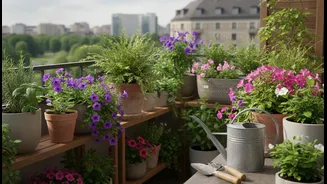




The Gardener's Monsoon Dilemma
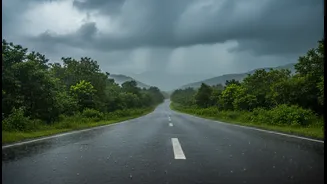
For garden enthusiasts in India, the monsoon is a season of two halves. On one hand, the air is cool, the dust settles, and nature seems to explode with life. On the other, this same life-giving rain can be a silent killer for plants confined to pots.
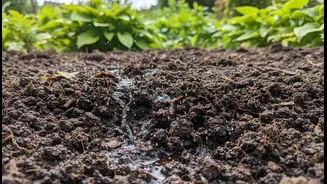
The primary challenge is excess water. While plants need moisture, their roots also need to breathe. During the monsoon, unrelenting rain and high humidity mean soil stays wet for days, creating a waterlogged environment that suffocates roots. This lack of oxygen is the starting point for a host of problems, most notably root rot. Leaves may turn yellow, the plant might look wilted even though the soil is wet, and a faint, funky smell can emanate from the pot — all signs that trouble is brewing below the surface.
Why Drainage Is King
Before you pick your plants or your fertiliser, your first thought should be drainage. It is the single most important factor for container gardening success during the rainy season. Proper drainage ensures that while the soil retains enough moisture for the plant, any excess water can escape freely and quickly. When water stagnates at the bottom of a pot, it creates anaerobic conditions where roots cannot get oxygen. This suffocates them, leading to decay. This decaying organic matter then becomes a breeding ground for fungi and bacteria, resulting in the dreaded root rot, a condition that can quickly kill a healthy plant. Good drainage prevents this entire destructive cycle, allowing your plants to enjoy the benefits of the monsoon without succumbing to its biggest threat.
The Anatomy of a Well-Drained Pot
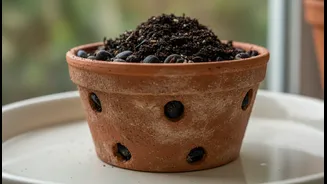
Setting up your pot for success is a straightforward process. First, ensure your chosen container has at least one, preferably multiple, drainage hole at the bottom. If a decorative pot lacks holes, it's best to either drill them yourself or use it as a cachepot, placing a smaller plastic pot with holes inside. A traditional and effective technique is to add a layer of coarse material at the bottom before adding soil. This can be broken pieces of old terracotta pots, gravel, or small pebbles. This layer prevents the drainage holes from getting clogged with soil and creates a space for excess water to collect and drain away. Some gardeners also place a piece of landscape fabric or even a coffee filter over the holes before adding the drainage layer to stop soil from washing out.
Your Potting Mix Is Part of the System
Drainage isn't just about holes and gravel; the soil itself plays a massive role. Regular garden soil is often too heavy and dense for pots, especially during the monsoon. It compacts easily when wet, further reducing air pockets and impeding water flow. A good monsoon potting mix should be light, airy, and well-draining. You can achieve this by creating your own blend. A common and effective recipe for Indian climates is a mix of cocopeat (for structure and moisture retention), compost (for nutrients), and a drainage agent like perlite or coarse river sand. Perlite, a lightweight volcanic rock, is excellent for creating air pockets and improving drainage. A typical ratio might be 50% cocopeat, 20-30% compost, and 20-30% perlite or sand. This mix ensures that water drains through while still holding enough for the plant's needs.
Choosing the Right Container
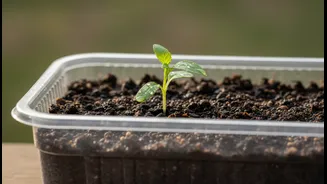
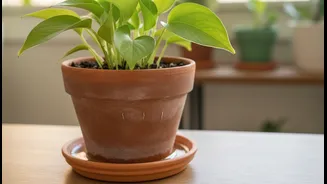
The material of your pot also influences moisture levels. Terracotta or clay pots are porous, meaning air and water can pass through their walls. This helps the soil breathe and dry out faster, making them an excellent choice for the monsoon season as they naturally guard against waterlogging. Plastic pots, on the other hand, are non-porous and retain moisture for much longer. While this can be an advantage in hot, dry weather, it can be a significant drawback during the constant dampness of the monsoon. If you do use plastic pots, ensuring they have an excellent drainage system and a light potting mix is even more critical.
A Few Extra Lifesaving Tips
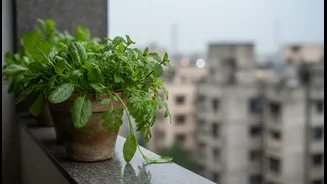
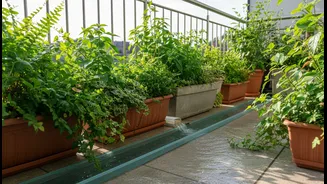
Beyond preparing the pot itself, a few simple habits can make a huge difference. Elevate your pots using bricks, small stones, or dedicated 'pot feet'. Lifting a pot even an inch or two off the ground ensures the drainage holes are never blocked and improves air circulation underneath. During periods of very heavy rain, avoid leaving pots sitting in saucers where water can collect; empty them promptly. If possible, move particularly sensitive plants, like succulents, to a covered balcony or patio to protect them from the heaviest downpours. And finally, adjust your watering schedule. Don't water your plants just because it's on the calendar; always check the soil first. If the top inch or two feels moist, leave it be.