




The Sneaky Dehydration of Humid Days
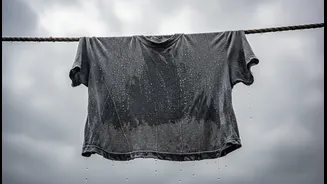
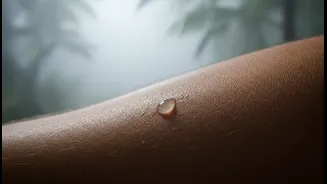
On a hot, dry day, sweat is your best friend. It beads on your skin, evaporates, and carries heat away from your body, creating a cooling effect. But when the air is thick with humidity, it’s already saturated with moisture. This means your sweat has
nowhere to go. It clings to your skin or drips off without evaporating, failing to provide that essential cooling service. The result is that you keep sweating in an inefficient attempt to cool down, losing vital fluids without getting much relief. This process can accelerate dehydration, often before your thirst mechanism even kicks in to warn you.
Why Your Body's Cooling System Fails
Think of your body as a power plant that needs a reliable cooling tower. Sweating is that tower. The evaporation of sweat is the crucial step that pulls heat from your body. When relative humidity climbs above 60%, that evaporation process slows down dramatically. Your body responds to the rising internal temperature by working harder. Your heart rate increases, and you produce even more sweat to try and compensate. This leads to a dangerous cycle: you lose more water and essential salts, but your core temperature can continue to rise, increasing the risk of heat exhaustion and other heat-related illnesses.
Signs of Dehydration to Watch For
Since feeling sweaty isn't a reliable gauge of cooling in humid weather, you need to listen for your body's other signals. Thirst is an obvious sign, but often it only appears when you are already on your way to being dehydrated. Other early warning signs include a dull headache, fatigue, and dizziness. One of the most reliable indicators is the colour of your urine; if it's dark yellow, your body is telling you to drink more fluids. Muscle cramps, dry mouth, and a rapid pulse are also signs that your fluid levels are too low.
A Smarter Hydration Strategy
In humid conditions, you can't wait until you're thirsty to drink. The key is to be proactive. Start hydrating well before you head out into the heat, drinking water about 30 minutes to two hours before any physical activity. During the day, sip water consistently. A good rule of thumb for exercise is to drink about 200-300 ml every 15-20 minutes. Even for daily activities, keeping a water bottle handy helps. Studies have also shown that drinking cold water can be more effective at keeping you hydrated and performing well in hot, humid conditions.
Beyond Just Water: The Role of Electrolytes
When you sweat, you don't just lose water; you also lose essential minerals called electrolytes, like sodium, potassium, and magnesium. These are crucial for nerve function, muscle contractions, and maintaining proper fluid balance. In humid weather, where you might be sweating profusely without effective cooling, replenishing these electrolytes is vital. For prolonged periods in the heat or intense exercise, consider a sports drink or coconut water. You can also get electrolytes from your food. Bananas, avocados, watermelon, and citrus fruits are all excellent, hydrating choices packed with nutrients.