

More Than a Special Menu
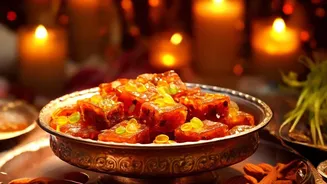
In cities across India, the line between a restaurant and a cultural venue is blurring. During festivals like Diwali, Holi, Onam, and Eid, many establishments are going far beyond simply offering a festive menu. They are curating immersive experiences
designed to engage all the senses. Picture this: walking into a restaurant decorated to resemble a provincial courtyard during Baisakhi, complete with traditional music and staff in regional attire. Or attending a Dussehra celebration that includes a puppet show telling stories of the Ramayana between courses. Some establishments even host workshops, such as modak-folding for Ganesh Chaturthi or diya-painting for Diwali, positioning themselves as community hubs for celebration. This shift transforms a simple dinner into a memorable event, an approach that is proving to be a powerful draw for diners.
The Experience Economy Arrives
So, what’s driving this change? A major factor is the evolving taste of the Indian consumer, particularly younger generations. Modern diners are increasingly seeking experiences over mere products. A meal is no longer just about satisfying hunger; it’s about creating a memory, sharing a story, and capturing a moment for social media. Restaurants have recognized that a vibrant, themed atmosphere, live music, and interactive elements provide the unique, shareable content that customers crave. From a business perspective, this strategy is a powerful differentiator in a crowded market. Festive events with special ticketing, curated menus, and unique experiences can command higher prices and build a stronger brand identity, fostering loyalty that lasts long after the festival is over.
A Modern Take on Tradition
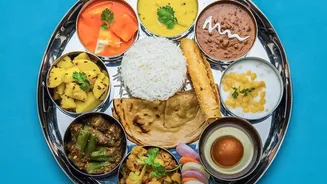
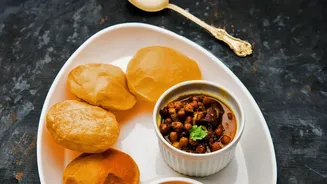
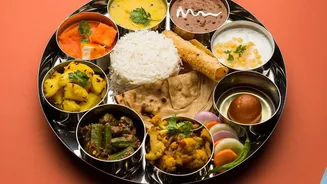
This trend also reflects a deeper cultural current: the desire to connect with tradition in a modern, accessible way. For many urban families, the elaborate effort of preparing a multi-dish festive feast at home is becoming difficult to manage. Restaurants are stepping in to fill this gap, offering elaborate, authentic meals like the Onam Sadya—a vegetarian feast with over 20 dishes served on a banana leaf—without the associated labour. These dining experiences are more than just convenient; they are a form of cultural education. Menus often come with explanations of the dishes and their significance, allowing diners to learn about the heritage behind the food they are enjoying. This blend of authenticity and convenience makes restaurants key players in keeping culinary traditions alive and relevant for a new generation.
Beyond the Big Festivals
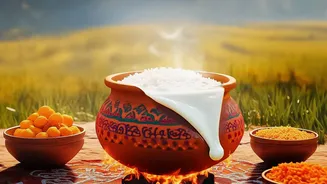
While major festivals like Diwali and Holi are prime time for these cultural extravaganzas, the trend extends to a wide array of regional and harvest celebrations. Restaurants are showcasing the rich diversity of India's culinary map by celebrating festivals like Pongal from Tamil Nadu, Baisakhi from Punjab, and Durga Puja in the east. Some are even creating their own unique events, such as theatrical dining experiences that transport guests to a different era of Indian history or seven-course meals designed around the concept of the chakras. This focus on hyper-regional and niche cultural themes allows chefs to tell deeper stories about their food's origins, moving beyond familiar pan-Indian dishes to highlight unique local flavours and ingredients. It’s a celebration not just of festivals, but of India’s vast and varied cultural identity.