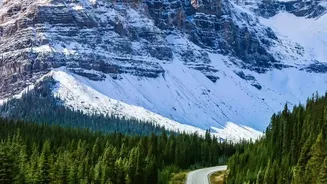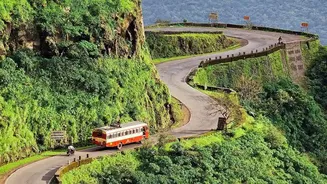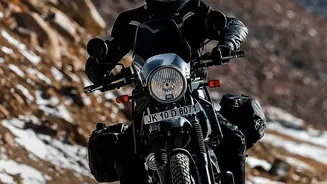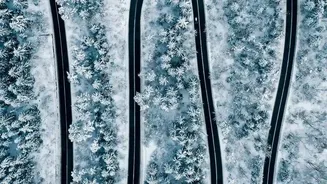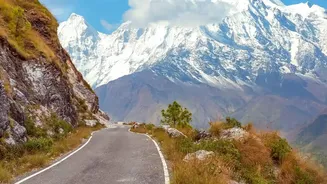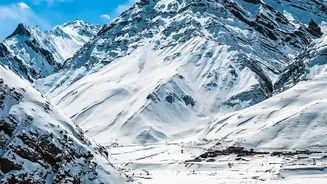


The magic of a winter road trip in India is undeniable, with misty mornings and snow-dusted landscapes. But the charm comes with challenges. Proper preparation is the key to ensuring your journey is safe, smooth, and truly memorable.
The Pre-Trip Vehicle Health Check
Before you even think
about packing, your car needs a thorough inspection. Winter conditions, especially the cold, put extra strain on a vehicle's systems. Start with the battery, as cold weather can significantly reduce its efficiency and make it harder to start your car. If your battery is over three years old, get it professionally tested. Check all fluids, including engine oil, coolant, and windshield washer fluid. Using a winter-grade engine oil can help as it flows better in lower temperatures. Crucially, ensure your coolant has the right antifreeze mixture to prevent it from freezing. Finally, inspect your tyres. Cold air causes tyre pressure to drop, so check that they are inflated to the manufacturer's recommended level. Ensure you have adequate tread depth, at least 2-3 mm, for better grip on slippery roads. For trips to snowy regions, consider fitting winter or all-season tyres.
Mastering Lights and Visibility
Winter brings fog, mist, and shorter days, making visibility a primary safety concern. Ensure all your lights are working correctly: headlights (both low and high beam), tail lights, brake lights, and indicators. Clean the lenses for maximum brightness. For driving in North India's dense fog, having functional fog lamps is essential. Experts recommend using yellow fog lights for better penetration through the mist. It’s a common mistake to use high beams in fog; this actually worsens visibility by reflecting light back at you. Always use low beams. Also, check your wiper blades and replace them if they leave streaks. Keep your washer fluid reservoir topped up with a good quality cleaning solution to clear away grime and frost.
Assembling Your Winter Emergency Kit
An emergency kit is non-negotiable for any winter road trip. It’s your safety net if you get stranded. Your kit should include items for vehicle recovery, personal warmth, and communication. Pack a portable jump starter or jumper cables, a tow rope, and a tyre inflator. A basic toolkit, a flashlight with extra batteries, and reflective warning triangles are also essential. For personal safety in the cold, pack warm blankets, extra layers of clothing like gloves and hats, and chemical hand warmers. It's also wise to carry non-perishable snacks and bottled water. Don't forget a well-stocked first-aid kit with basics like bandages, antiseptic wipes, and pain relief medication. A power bank for your phone is crucial to ensure you can call for help if needed.
Safe Driving in Treacherous Conditions
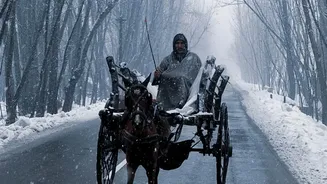
Winter driving requires a different mindset. The cardinal rule for driving in fog, snow, or on icy roads is to slow down. Reduced visibility makes it difficult to judge distances and react in time. Increase the following distance between your vehicle and the one in front to give yourself ample space to brake. Avoid sudden braking, accelerating, or sharp turns, as these can cause you to skid. In dense fog, use the road markings and reflectors as your guide rather than just following the tail lights of the car ahead. Never use your hazard lights while moving; they are meant for stationary vehicles and can confuse other drivers. If conditions become too dangerous, the safest option is to pull over to a secure location and wait for the weather to clear.
Route Planning and Smart Stops
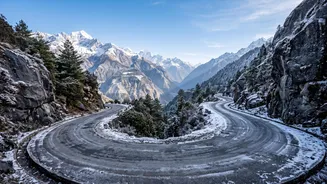
While spontaneous trips are fun, winter demands better planning. Research your route thoroughly. Some high-altitude passes in the Himalayas, like those on the Leh-Manali highway, may be closed, while others like the route to Sissu via the Atal Tunnel generally remain open, though roads can be icy. Check for local advisories regarding weather and road closures before you leave and along the way. Popular winter routes like Guwahati to Shillong or Delhi to Landour are scenic but can be affected by mist. Always keep your fuel tank at least half full to prevent the fuel line from freezing and to ensure you can keep the heater running if you get stranded. Plan for shorter driving days to avoid being on the road after dark when temperatures drop and visibility worsens. Share your itinerary with a friend or family member so someone knows your whereabouts.