



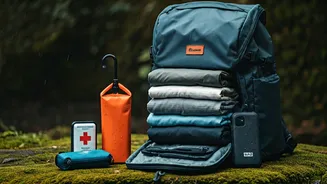


Choose Fabrics Wisely
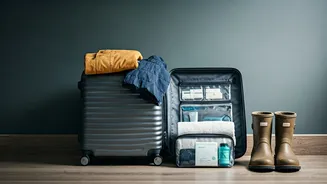
The golden rule for monsoon clothing is to prioritise fabrics that dry quickly. Synthetic materials like polyester, nylon, and rayon are your best friends. Unlike cotton, which absorbs moisture and can take hours to dry, these fabrics will keep you comfortable
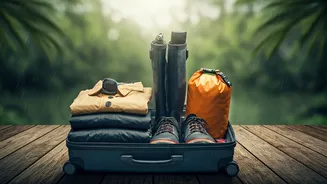
even if you get caught in a shower. Lightweight, loose-fitting clothes are ideal for the humidity. Consider packing quick-dry t-shirts, synthetic-blend trousers or skirts, and full-sleeve shirts to protect against mosquitoes. Darker colours are a practical choice as they are better at hiding mud splashes and stains. While it might seem counterintuitive, linen is also a surprisingly good option because, although it gets wet, it dries very fast and doesn't hold odour. Leave your heavy jeans and pure cotton items at home; they become heavy and uncomfortable when damp.
The Right Footwear is Crucial
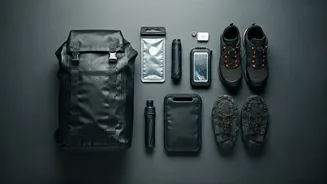
Your choice of footwear can make or break a monsoon trip. The streets can become slippery and flooded, so you need shoes with a good grip that can handle water. Rubber sandals, waterproof floaters, and crocs-style shoes are excellent choices as they are easy to clean, don't retain water, and have anti-skid soles. For more adventurous activities like trekking in hill stations, invest in a pair of quick-dry trekking shoes with a strong grip. Avoid leather, suede, or canvas sneakers, as water can ruin them and they take a very long time to dry. While flip-flops are great for indoor use at your hotel, they are not ideal for walking on waterlogged streets as they offer little protection and can be slippery.
Build Your Waterproofing Arsenal
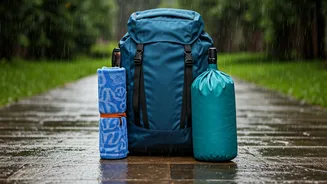
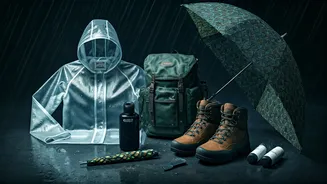
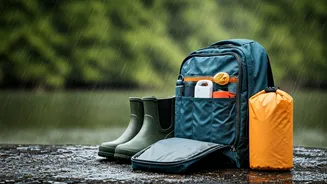
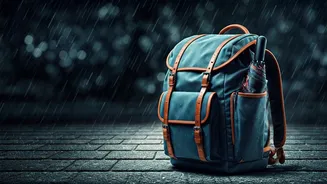
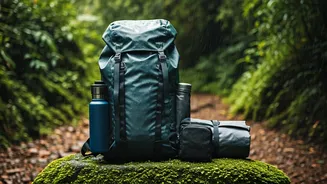
A sturdy, foldable umbrella is a must-have, but your rain protection shouldn't stop there. A lightweight, high-quality raincoat or poncho is essential for providing full coverage, especially during a downpour. Look for one that is large enough to cover both you and your daypack. Protecting your belongings is just as important. A waterproof backpack, or at least a reliable rain cover for your existing bag, will keep your clothes and valuables safe from the wet. Furthermore, carrying an assortment of plastic zip-lock bags or dedicated dry bags is a smart move to provide an extra layer of protection for electronics, your passport, and other important documents. It's also wise to have a separate reusable bag for wet clothes to keep them from mixing with your dry items.
Protect Your Electronics from Moisture
Rain and humidity are the enemies of electronic gadgets. Use waterproof pouches for your phone, which are inexpensive and effective. For larger items like cameras and laptops, ensure they are in a waterproof bag before you step out. When not in use, store your devices in a dry place away from open windows. A power bank is a crucial accessory, as power cuts can be more frequent during the monsoon season. As an extra precaution, tuck a few silica gel packets into your electronics bag; they are excellent at absorbing any excess moisture that might sneak in. If a device does get wet, turn it off immediately, wipe it down, and let it dry completely for at least 24-48 hours before attempting to turn it on again.
Prioritise Health and Hygiene
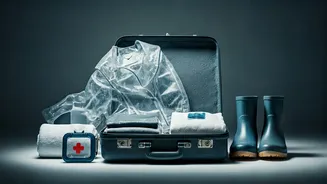
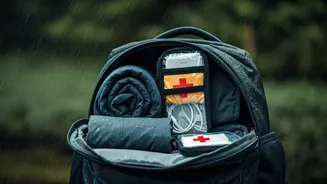
The monsoon season can bring an increased risk of infections. Mosquitoes are more prevalent, so a good insect repellent is non-negotiable to protect against diseases like dengue and malaria. Pack a basic first-aid kit containing essentials for colds, fever, and stomach upsets, along with antiseptic wipes and bandages. Hand hygiene is critical, so always carry a hand sanitizer. Be cautious about what you eat and drink. Stick to bottled or purified water and prioritise freshly cooked meals over street food that may have been exposed to the elements. It's also a good idea to pack antifungal powder to keep your feet dry and prevent skin infections.