





The Air-Purifying Promise: Fact vs. Fiction
A major claim about Snake Plants is their ability to purify the air. This idea gained widespread popularity from a 1989 NASA study that found certain houseplants could remove harmful volatile organic compounds (VOCs) like formaldehyde and benzene from sealed
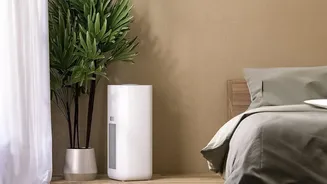
chambers. And while it's true that Snake Plants were one of the plants tested and shown to absorb these toxins, later research has put these findings into perspective. Scientists have since pointed out that the conditions of the NASA study—a small, sealed environment—don't reflect a typical home with natural ventilation. To achieve a significant air-purifying effect in a standard room, you would need an impractical number of plants, potentially hundreds. So, while your Snake Plant does contribute to cleaning the air on a very small scale, it shouldn't be considered a substitute for good ventilation or an air purifier.
A Breath of Fresh Air While You Sleep
Here is where the Snake Plant truly shines in a bedroom setting. Most plants release oxygen during the day through photosynthesis and then, like humans, release carbon dioxide at night. The Snake Plant, along with other succulents like aloe vera, uses a special type of photosynthesis called Crassulacean Acid Metabolism (CAM). This process means they open their pores (stomata) at night to take in carbon dioxide, which they store to use for photosynthesis during the day. The direct result is that they release oxygen at night. Having a plant that actively produces oxygen while you sleep can help contribute to a fresher environment and potentially promote better, more restorative rest.
The Undeniable Psychological Boost
Beyond the air quality debate, the mental health benefits of indoor plants are well-documented. Studies have shown that interacting with and caring for houseplants can lower stress levels, reduce anxiety, and improve your overall mood. The simple act of having greenery in your personal space fosters a connection to nature, which can have a calming effect on the mind. Research has shown that the presence of plants can reduce cortisol, our primary stress hormone, and may even help lower heart rate and blood pressure. In a space designed for rest and relaxation like a bedroom, these psychological perks are just as valuable as any physical health benefit.
The Perfect Bedroom Companion
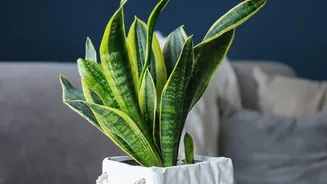
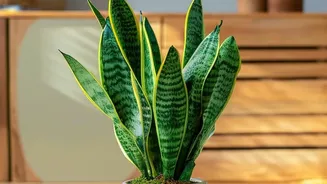
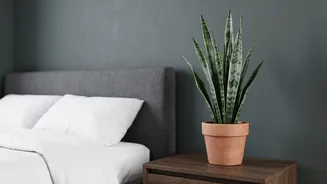
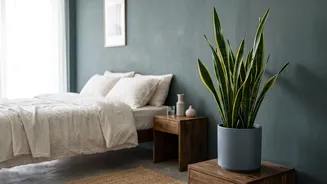
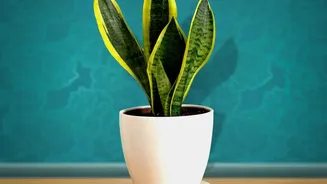
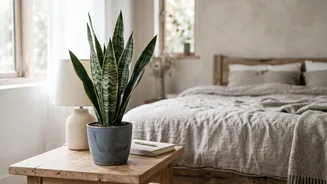
For a plant to be beneficial in a bedroom, it first has to thrive there. This is another reason the Snake Plant (Dracaena trifasciata) is a top contender. Many bedrooms, especially smaller ones, may not have large windows or receive bright, direct sunlight. Snake Plants are famously tolerant of low-light conditions. They are also incredibly resilient and drought-tolerant, requiring infrequent watering. This low-maintenance nature makes them ideal for both seasoned plant parents and beginners who worry about keeping a plant alive. Their upright, architectural leaves take up very little floor space, making them a perfect fit for tight corners or small bedside tables.
A Note on Safety and Other Options
While Snake Plants are relatively safe, it's important to know that they are mildly toxic if ingested and should be kept away from curious pets and small children. If you have a cat or dog that likes to nibble on plants, you might consider other non-toxic options. The Spider Plant is another excellent air-purifying choice that is safe for pets. It's also easy to care for and works well in bedrooms. The Peace Lily is another plant noted in the NASA study for its effectiveness at removing toxins, though it is also toxic to pets. Ultimately, choosing the right plant is about balancing potential benefits with the practical realities of your home and lifestyle.