








Why Your CV Is Losing Its Edge
For decades, the one-page resume has been the standard currency of job applications. It’s a neat summary of your history: where you studied, where you’ve worked, and the skills you claim to possess. But in today’s hyper-competitive Indian job market,
this format is becoming a liability. A static document, whether a PDF or a Word file, is fundamentally passive. It lists accomplishments but fails to demonstrate them. Recruiters, buried under hundreds of nearly identical resumes for a single opening in Bengaluru or Gurugram, are looking for a quick way to separate genuine talent from polished jargon. Your resume claims you’re a ‘creative problem-solver’ or a ‘skilled Python developer’, but so do the 50 other resumes in the pile. The CV has become a flat, colourless snapshot in a world that demands 4K video.
The Power of a Professional Story
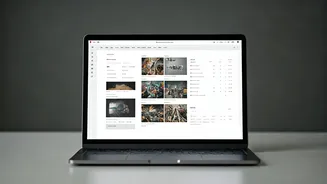
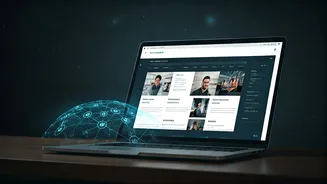
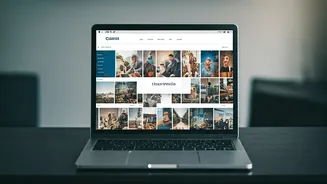
A public digital portfolio is the antidote to the bland resume. It’s a dedicated online space—your personal website, a Behance profile, a GitHub repository—that tells your professional story. Instead of merely listing a skill, you showcase a project where you used it. Instead of a bullet point about ‘leading a marketing campaign’, you present the campaign’s landing page, the social media assets you created, and the data showing its success. This is the crucial difference between telling and showing. A portfolio transforms you from a list of qualifications into a living, breathing professional with a track record of creating value. It provides tangible proof of your abilities, allowing a hiring manager to see the quality of your work, your thought process, and your professional style before they even decide to interview you.
More Than Just a Link
The benefits of a digital portfolio extend far beyond a single job application. It’s a long-term career asset. Firstly, it gives you control over your digital footprint. When a recruiter searches your name, your polished portfolio should be the first result they see, not a random social media profile from your college days. Secondly, it’s a dynamic tool. Unlike a resume that you update once a year, a portfolio can be constantly refreshed with new projects, skills, and testimonials. This shows ambition and continuous growth. For professionals in creative and tech fields—designers, writers, developers, marketers, and architects—it’s no longer optional. For those in more traditional roles like sales or management, a portfolio can be a massive differentiator. You can showcase successful sales decks, project management timelines, or testimonials from satisfied clients.
Getting Started: Your First Steps
Building a portfolio might sound daunting, but you can start small. The key is to curate, not collect. Don't include every project you've ever touched. Select your best 3-5 pieces of work that align with the jobs you want. For each project, write a brief but compelling description. What was the problem or goal? What was your specific role? What tools did you use, and what was the outcome? This context is what turns a simple image or link into a powerful case study. The platform you choose depends on your field. For visual professionals, Behance or Adobe Portfolio are excellent. For developers, a well-organized GitHub profile is non-negotiable. For writers and marketers, a personal blog or a platform like clippings.me works wonders. A simple personal website built with tools like Carrd or Wix is a great, versatile option for anyone.