





Boost Your Immunity Shield
The damp and humid weather during the monsoon is an ideal breeding ground for bacteria and viruses, making our bodies more susceptible to colds, flu, and stomach infections. This is why bolstering your immune system is non-negotiable. Start by incorporating
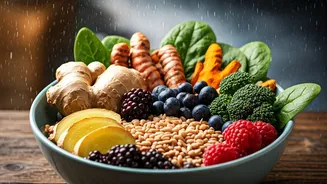
powerful, natural immunity boosters into your daily meals. Turmeric (haldi) is a fantastic start; its active compound, curcumin, has potent anti-inflammatory and antioxidant properties. A pinch in your milk or dal can go a long way. Similarly, garlic and ginger are antimicrobial powerhouses. Add them generously to your soups and curries. Don’t forget Vitamin C, your immune system's best friend. Load up on amla, oranges, lemons, and bell peppers. A simple glass of warm lemon water in the morning can help flush out toxins and provide a vital C-boost to prepare your body's defences for the day.
Make Hygiene Your Top Priority
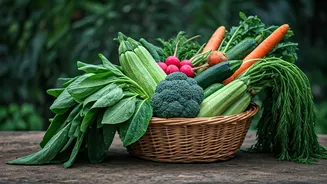
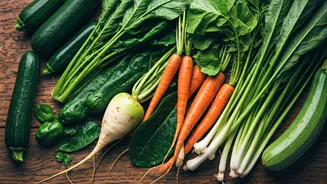
Monsoon is the season of water-borne diseases. The risk of food contamination skyrockets as moisture allows microbes to thrive. This is where impeccable hygiene becomes your primary line of defence. First, be extra vigilant with fresh produce. Leafy green vegetables like spinach and cabbage can harbour dirt and worms, so it’s best to limit them or wash them meticulously in saltwater or a vinegar solution before cooking thoroughly. Avoid eating raw food, including salads and cut fruits from outside vendors, as you cannot be sure of the water used to wash them. It's a good time to curb your cravings for street food, especially items like pani puri or chutneys, which often use unfiltered water. At home, ensure your drinking water is either boiled or properly filtered. Simple diligence in the kitchen can save you from a host of digestive troubles.
Embrace the Power of Warmth
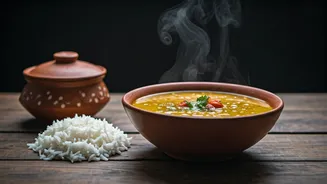
According to both modern nutrition and traditional Ayurvedic wisdom, eating warm, freshly cooked food is crucial during the monsoon. The damp weather can slow down our digestive fire ('agni'), making it harder to process heavy or cold foods. Warm meals are easier on the gut, aiding digestion and preventing issues like bloating and indigestion. Swap your cold salads for hearty, warm soups like moong dal or mixed vegetable soup. These are not only comforting but also incredibly nutritious. Herbal teas made with ingredients like tulsi, cinnamon, and black pepper are excellent for keeping your body warm and fighting off infections. Opt for light, well-cooked meals. Think steamed or grilled vegetables over fried snacks, and choose grains like barley, oats, and old rice, which are easier to digest. This principle of 'warmth' extends to avoiding refrigerated food and drinks as much as possible.
Foods to Approach with Caution
While focusing on what to eat is important, knowing what to limit is equally vital for a healthy monsoon. Heavy, oily, and fried foods like pakoras and samosas, though tempting, can be very difficult to digest and can lead to gastric problems. It's best to enjoy them in moderation. Dairy products like paneer and dahi can also be heavy on the stomach; if you do consume them, ensure they are fresh and opt for lighter versions like buttermilk (chaas). Seafood can be another tricky area. Since this is the breeding season for fish, it's often recommended to avoid or limit fish and prawns to reduce the risk of stomach infections. The key is to listen to your body and choose foods that feel light, nourishing, and easy to process.