






The Problem with Late-Night Meals
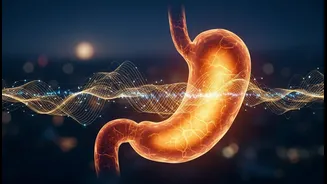
One of the most significant contributors to acid reflux is eating a large meal too close to bedtime. When you are standing or sitting, gravity helps keep stomach acid where it belongs—in your stomach. However, when you lie down with a full stomach, that
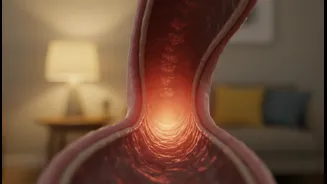
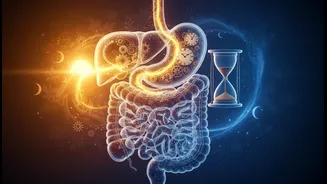
advantage is lost. This horizontal position makes it much easier for stomach acid to flow back up into the esophagus, the tube connecting your throat and stomach, causing the burning sensation known as heartburn. Research shows that eating within three hours of bedtime can dramatically increase nighttime reflux episodes. In fact, one study found that doing so increased these episodes by 67%. The body's digestive system naturally slows down at night as part of its circadian rhythm, meaning food eaten late sits in the stomach for longer, increasing the window for potential reflux.
The 'Three-Hour Rule' for Better Digestion
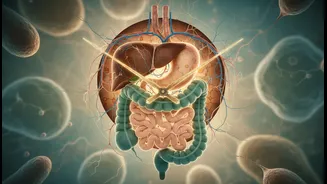
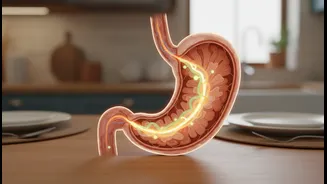
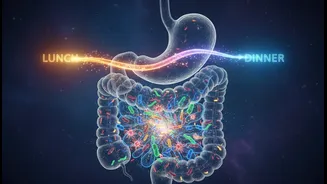
Based on the clear link between late eating and reflux, many healthcare providers recommend a simple but effective guideline: stop eating at least two to three hours before lying down or going to sleep. Some experts even suggest a more conservative window of four hours for optimal results. This interval gives your stomach adequate time to empty most of its contents into the small intestine, significantly reducing the amount of acid available to cause trouble once you're in bed. Adhering to this rule is one of the most impactful lifestyle changes you can make to manage nighttime reflux symptoms. If your schedule makes this difficult, try to make your evening meal smaller and save larger meals for earlier in the day.
Why Meal Size and Frequency Matter
It’s not just about when you eat your last meal, but also about how you structure your meals throughout the day. Consuming large, heavy meals can overfill the stomach, placing pressure on the lower esophageal sphincter (LES). The LES is a ring of muscle that acts as a valve between the stomach and the esophagus. When it's under pressure, it may not close properly, allowing acid to escape upwards. Instead of three large meals, many experts suggest eating smaller, more frequent meals. This approach can reduce pressure on the LES, promote more efficient digestion, and prevent the overproduction of stomach acid that can happen when your stomach is empty for too long. Aiming for five or six small meals spaced a few hours apart can help keep your digestive system balanced and your reflux symptoms at bay.
Practical Tips for a Reflux-Friendly Schedule
Integrating these principles into your life doesn't have to be complicated. Start by making your lunch the main meal of the day and opting for a lighter dinner. If you're hungry before bed, choose a small, easily digestible snack like a banana or a handful of nuts instead of a full meal. Pay attention to not just when you eat, but how. Eating slowly and chewing thoroughly can prevent you from swallowing excess air and overeating, both of which can trigger reflux. Finally, if you do eat closer to bedtime than you'd like, try to stay upright for as long as possible afterward. Even just sitting in a chair instead of lounging on the couch can make a significant difference.