

Chapada Diamantina National Park, Bahia
Once the heart of Brazil's 19th-century diamond rush, Chapada Diamantina has transformed from a land of fortune hunters to a paradise for nature lovers. The park's name, meaning 'Diamond Plateau', hints at its history, with charming colonial towns like
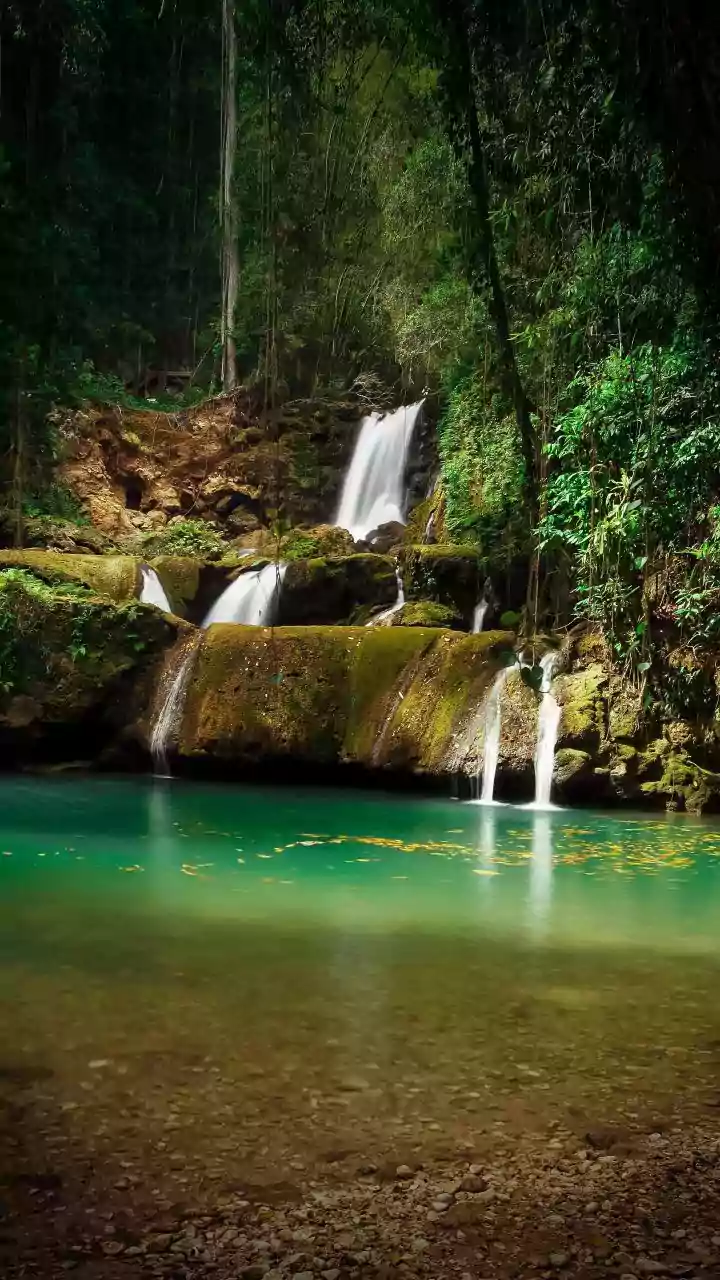
Lençóis serving as gateways to its rugged wilderness. The natural scenery is staggering: vast plateaus, deep canyons, and more than 300 waterfalls, including the spectacular Cachoeira da Fumaça, where water mists away before hitting the ground. The cultural element is etched into the landscape, from the old mining trails that now serve as hiking paths to the stories of wealth and struggle that built the surrounding villages. Here, you can hike to majestic viewpoints, swim in crystal-clear underground pools like Poço Azul, and feel the history of the diamond prospectors in the air.
Inhotim Institute, Minas Gerais
Imagine wandering through a lush botanical garden and stumbling upon world-class contemporary art installations hidden among the foliage. That is the unique experience of Inhotim, the largest open-air contemporary art museum in the world. Located about 60 km from Belo Horizonte, this one-of-a-kind destination merges art and nature seamlessly across its 140-hectare grounds. The cultural offering is immense, with 24 galleries and outdoor installations featuring works by renowned artists from Brazil and around the globe. The natural setting is just as curated, with gardens showcasing thousands of plant species, including rare palms and the exotic carrion flower, set within a protected Atlantic Forest reserve. Inhotim is a testament to how culture and nature can not only coexist but amplify one another, creating an immersive and unforgettable journey.
Olinda, Pernambuco
Perched on a hillside overlooking the Atlantic, the historic center of Olinda is a UNESCO World Heritage site and a living museum. Founded in 1535, its steep, cobblestone streets are lined with brilliantly colored colonial houses, baroque churches, and convents. The town's beauty is so profound that its name is said to derive from the Portuguese expression 'Oh, linda,' meaning 'Oh, beautiful.' The city's cultural pulse is palpable, from its famous Carnival celebrations with giant puppets to its thriving community of artists whose galleries and workshops are found around every corner. The natural scenery comes from its stunning coastal setting, offering panoramic views of the ocean and the nearby city of Recife. It’s a place to wander without a map, soaking in the harmonious balance of architecture, gardens, and sea breezes.
Jalapão State Park, Tocantins
For a true off-the-beaten-path adventure, Jalapão delivers an otherworldly landscape that feels like a discovery. This remote state park in the heart of Brazil is a mosaic of golden sand dunes, vast plateaus, and crystal-clear rivers. Its signature attractions are the 'fervedouros'—natural springs where the pressure of the underground water is so strong you float effortlessly. The natural beauty is raw and untouched, from the powerful Cachoeira da Velha waterfall to the serene beauty of Cachoeira do Formiga. The cultural side of Jalapão is found in its resilient quilombola communities, descendants of escaped enslaved people who preserve their heritage. A visit to the Mumbuca community offers insight into their traditions and the intricate 'golden grass' handicrafts, a unique art form that provides a sustainable livelihood and shines a light on the human history of this wild place.
Serra da Capivara National Park, Piauí
Deep in Brazil's arid northeast lies one of the most significant archaeological sites in the Americas. Serra da Capivara National Park is a UNESCO World Heritage site that holds the largest concentration of prehistoric rock paintings on the continent, with some art estimated to be over 25,000 years old. The paintings, found in over 300 rock shelters, depict complex scenes of hunting, rituals, and daily life, providing an invaluable window into ancient human societies. This profound cultural heritage is set against the dramatic natural backdrop of the Caatinga biome, a unique landscape of canyons, rock formations, and dry forest that is surprisingly full of life. Exploring Serra da Capivara is a journey back in time, connecting you to the earliest stories of humanity in South America while surrounded by a rugged and beautiful ecosystem.