




Not All Fats Are Created Equal
For years, fat was wrongly vilified as a dietary villain. The truth is more nuanced: our bodies need fat for energy, to absorb vitamins, and to protect our heart and brain health. The crucial factor is the type of fat we consume. The two main categories
are saturated and unsaturated fats, and they behave very differently in our bodies. Unsaturated fats, which are liquid at room temperature, are considered beneficial because they can improve blood cholesterol levels and ease inflammation. Saturated fats, typically solid at room temperature, can have the opposite effect when consumed in excess.
The Problem with Saturated Fats
Saturated fats are found in animal products like red meat, poultry, and full-fat dairy products like butter and ghee, as well as tropical oils such as coconut and palm oil. While delicious, a diet high in these fats can lead to an increase in LDL (low-density lipoprotein) cholesterol. Often called 'bad' cholesterol, high levels of LDL can lead to plaque buildup in the arteries, hardening and narrowing them. This process, known as atherosclerosis, increases the risk of heart disease, heart attack, and stroke. Therefore, major health bodies recommend limiting the intake of saturated fats.
The Power of Unsaturated 'Good' Fats
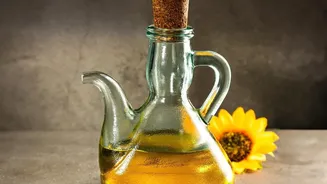
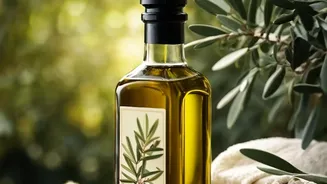
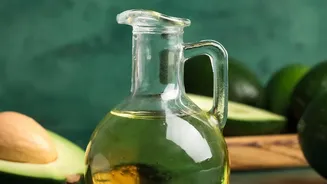
Unsaturated fats are the heroes of the fat world. They come in two main forms: monounsaturated and polyunsaturated. Monounsaturated fats are plentiful in groundnut (peanut) oil, olive oil, and avocados. Polyunsaturated fats, which include essential fatty acids like omega-3 and omega-6 that our bodies cannot make, are found in sunflower and soybean oils, walnuts, flax seeds, and fatty fish. These fats actively work to lower LDL cholesterol levels. Some, particularly omega-3s, also help reduce inflammation and stabilize heart rhythms, offering multiple layers of cardiovascular protection.
The Science of the Swap
When you replace saturated fats with unsaturated ones, the benefits are significant. Research has shown that this simple dietary change has a powerful effect on lowering bad cholesterol. One major review of clinical trials found that replacing saturated fat with polyunsaturated vegetable oil reduced the risk for heart disease by as much as 30 percent. This is a benefit comparable to that seen with cholesterol-lowering statin medications. The key is the replacement; swapping saturated fats for high-quality, unsaturated fats provides a clear benefit, whereas replacing them with highly processed carbohydrates shows no advantage.
Making the Switch in an Indian Kitchen
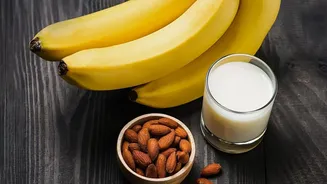
Integrating this change into daily Indian cooking is straightforward. Instead of relying heavily on ghee, butter, or palm oil for every dish, consider using a variety of unsaturated oils. Kachi Ghani mustard oil, a staple in many Indian homes, is an excellent choice as it is low in saturated fat and has a healthy ratio of omega-6 to omega-3 fatty acids. Groundnut oil is great for frying, while sunflower or soybean oils are versatile for general cooking. It's also important to use oils correctly; repeatedly reheating oil at high temperatures can destroy its beneficial properties and create harmful substances. Beyond oils, you can increase your unsaturated fat intake by snacking on nuts and seeds like walnuts and almonds instead of processed snacks.