


You Are the Master of Your Ingredients
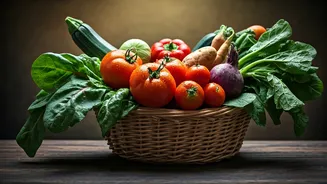
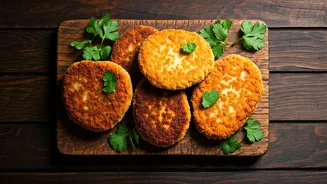
The single biggest advantage of cooking at home is complete control over what goes into your food. [8, 14] When you make cutlets in your own kitchen, you choose the freshest vegetables, the leanest meat, and the quality of the spices. More importantly,
you control the oil. Many restaurants and street food vendors, in an effort to cut costs, reuse cooking oil multiple times. [3] Reheating oil leads to the formation of harmful compounds, including trans fats and free radicals, which are linked to increased risks of heart disease, inflammation, and other chronic conditions. [4, 6, 9] At home, you can use fresh, high-quality oil and decide whether to shallow-fry, bake, or air-fry your cutlets, significantly reducing the fat and calorie content. [19, 26]
Customise for the Perfect Bite
Restaurant snacks are made for the masses, but your palate is unique. Cooking at home allows for endless customisation. [22] Want your cutlets extra spicy? Add more green chillies. Watching your sodium? You can reduce the salt. Have a favourite vegetable or a secret family spice blend? You can incorporate it freely. This level of personalisation ensures that every bite is exactly to your liking, a feat that is rarely possible when ordering out. [7] You can also cater to specific dietary needs, such as making gluten-free versions with alternative binders or ensuring the meal is purely vegetarian, without the risk of cross-contamination common in busy commercial kitchens.
Significantly Friendlier on Your Wallet
Convenience comes at a cost, and restaurant snacks are a prime example. While a single plate of cutlets might seem affordable, the cost adds up. Studies and price comparisons show that preparing a meal at home can be three to four times cheaper than buying the equivalent from a restaurant. [21] A home-cooked meal in India can cost as little as ₹40-70, whereas ordering in easily surpasses ₹150-300. [11] The ingredients for a large batch of cutlets—potatoes, vegetables, breadcrumbs, and spices—are relatively inexpensive and can yield far more servings than a single restaurant order, making it a highly economical choice for a family snack.
The Irreplaceable Joy of 'Ghar Ka Khana'
The experience of eating homemade food, or 'ghar ka khana', goes beyond just taste and nutrition; it's an emotional and psychological comfort. [10] The act of cooking itself can be a mindful, stress-reducing activity. [13] Furthermore, comfort foods are deeply tied to nostalgia and positive memories, often reminding us of family, security, and care. [16, 18] The aroma of cutlets frying in your own kitchen can evoke powerful feelings of warmth and belonging that a restaurant experience simply cannot replicate. [15] It’s a chance to create new memories with loved ones, turning a simple snack into a cherished shared experience. [17]
Guaranteed Freshness and Hygiene
When you cook at home, you can be certain of the hygiene standards and the freshness of your meal. [14] Restaurant food, especially during peak hours, might be pre-cooked and reheated, which can affect its texture and nutritional value. [8] You wash the vegetables, you work on a clean surface, and you serve the food immediately after it's cooked. This eliminates concerns about food handling practices, the cleanliness of the kitchen, or how long ingredients have been stored. [5] This assurance of freshness not only leads to better-tasting food but also significantly reduces the risk of foodborne illnesses. [14]