





Why the Sudden Surge?
While 'kadha' or 'kashayam' has been a household remedy for generations, its popularity has surged dramatically in recent years. The global focus on health has prompted a collective turn towards preventive wellness. Many are seeking comfort and control
in time-tested traditions, looking to their own pantries for simple ways to support their well-being. This isn't just about nostalgia; it’s a proactive step towards self-care, blending ancient wisdom with modern anxieties. Supermarket aisles reflect this trend, with packaged 'kadha' mixes and herbal infusions flying off the shelves, but the real movement is happening at home, with fresh ingredients and personalised family recipes.
The Core of 'Kadha': Tradition in a Cup
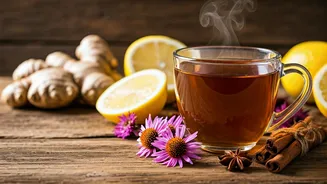
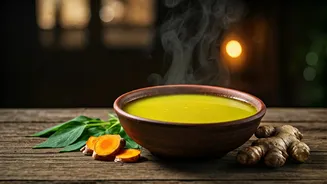
At its heart, an immunity tea is a decoction—a 'kadha' in Hindi or 'kashayam' in South Indian languages. It’s made by simmering a combination of herbs and spices in water to extract their beneficial properties. Unlike a regular cup of chai, this is typically caffeine-free and less about leisure, more about therapeutic comfort. Every family has its own variation. A grandmother in Kerala might swear by black pepper and dried ginger, while a family in Punjab might favour ajwain and cinnamon. The beauty of this tradition lies in its flexibility and its reliance on the potent, aromatic ingredients already present in most Indian spice boxes.
The All-Star Ingredients
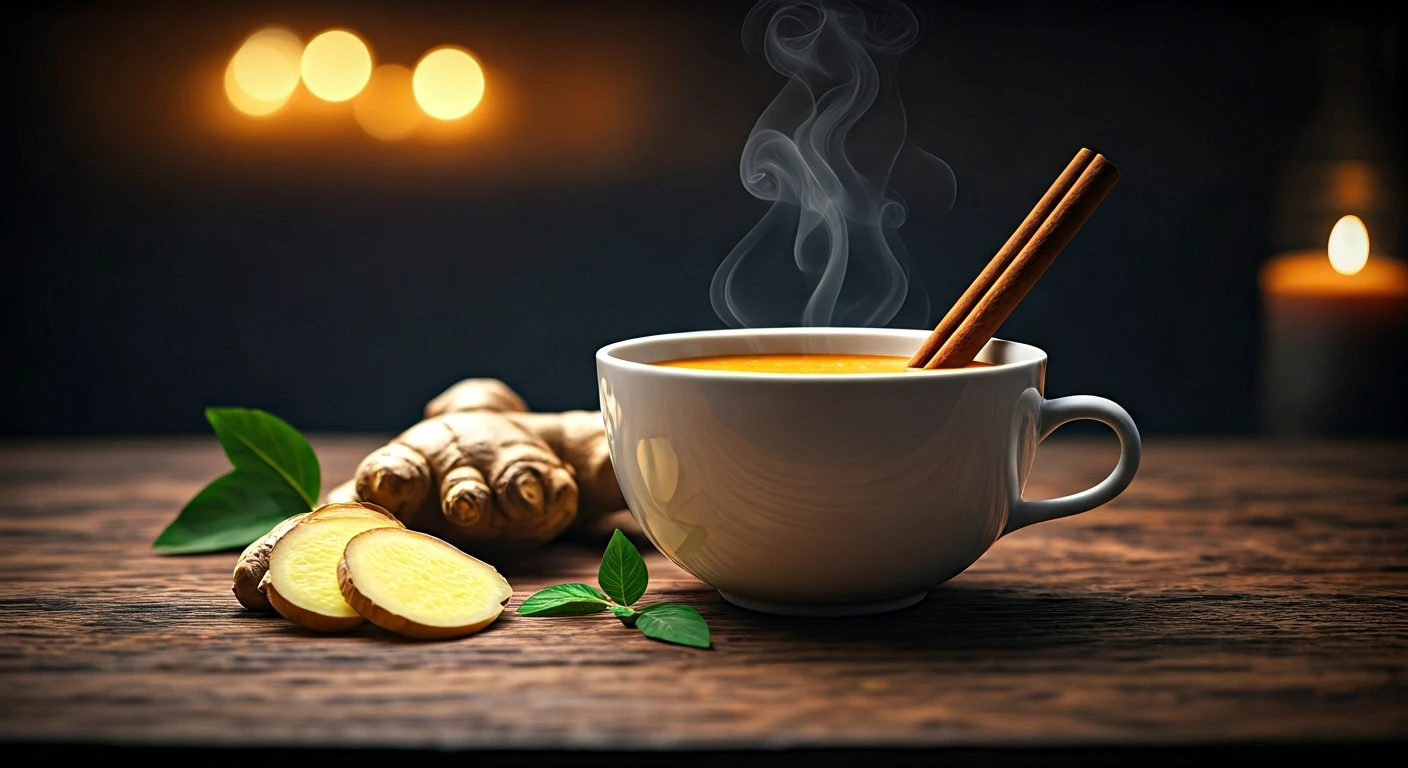
These teas are a symphony of flavours and properties. While recipes vary, a few key ingredients form the backbone of most immunity brews: * **Ginger (Adrak):** Known for its warming properties and ability to soothe a sore throat. It’s a powerful anti-inflammatory and antioxidant. * **Turmeric (Haldi):** The golden spice contains curcumin, a compound celebrated for its potent anti-inflammatory effects. * **Tulsi (Holy Basil):** Revered in Ayurveda, Tulsi is an adaptogen, believed to help the body manage stress. It’s also traditionally used to relieve symptoms of coughs and colds. * **Cinnamon (Dalchini):** More than just a fragrant bark, cinnamon is loaded with antioxidants and has been used to help manage blood sugar levels. * **Cloves (Laung):** These small flower buds are packed with compounds that can act as an antiseptic and help ease respiratory issues. * **Black Pepper (Kali Mirch):** Often used in tandem with turmeric, as a compound in pepper (piperine) significantly enhances the body's absorption of curcumin.
How to Brew a Basic Immunity Tea
Ready to try it yourself? Here is a simple, foundational recipe you can adapt. There are no strict rules, so feel free to adjust based on what you have and what you like. 1. **Gather Your Ingredients:** Take 2 cups of water, a 1-inch piece of ginger (grated), a small stick of cinnamon, 2-3 cloves, and 4-5 fresh tulsi leaves. 2. **Simmer Gently:** Combine all ingredients in a small saucepan. Bring to a boil, then reduce the heat and let it simmer for 10-15 minutes. The goal is to reduce the liquid by about half, concentrating the flavours and properties. 3. **Strain and Serve:** Strain the tea into a cup. You can add a teaspoon of honey for sweetness and its soothing properties, but only after the tea has cooled slightly, as boiling water can degrade honey's beneficial enzymes. A squeeze of lemon juice for Vitamin C is also a great addition. 4. **Enjoy:** Sip slowly while it’s warm. This brew is perfect for a chilly morning, a rainy evening, or whenever you feel you need a comforting boost.
A Note of Caution
While these ingredients are natural, 'more' is not always better. Many of these spices are 'heaty' in nature, and excessive consumption can lead to issues like acidity, heartburn, or stomach irritation. It’s wise to enjoy these teas in moderation—a small cup once a day is usually sufficient. Think of it as a gentle, supportive ritual, not a medicinal cure-all. If you have underlying health conditions or are pregnant, it's always best to consult with a doctor before making significant changes to your diet.