




Beyond the Stereotypes
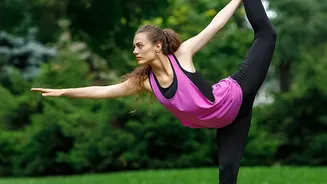
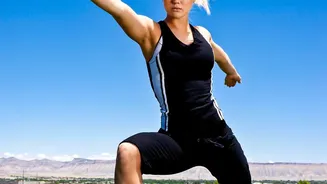
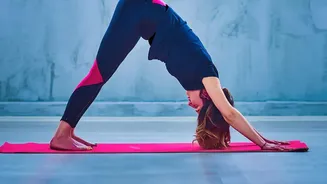
The common belief is that yoga is for quiet contemplation and dance is for energetic cardio. While often true, this view misses the incredible diversity within both disciplines. Yoga isn't always slow; powerful, athletic styles like Power Yoga and Vinyasa
will have you sweating and building serious heat. These forms are designed to create energy and challenge your physical limits. Conversely, dance isn't always about high-impact, fast-paced routines. Lyrical, contemporary, and even some forms of conscious dance like 'Journeydance' focus on fluid, meditative movements that can be profoundly calming and introspective. The choice is not simply between 'calm' and 'energetic', but about finding the specific style that matches your mood and fitness goals on any given day.
The Physical Challenge: Strength vs. Cardio
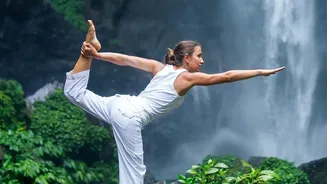
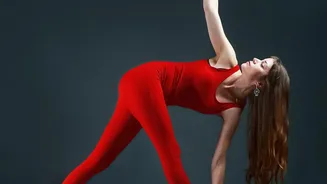
The primary physical benefits of yoga and dance are quite distinct. Yoga is renowned for building isometric strength, where you hold poses to challenge your muscles, enhance stability, and improve balance. It excels at increasing flexibility and joint mobility, lengthening muscles to reduce stiffness. Dance, on the other hand, is a cardiovascular powerhouse. Rhythmic, continuous movement elevates your heart rate, strengthening your heart and improving circulation. Styles like Zumba, Salsa, and Bhangra are particularly effective for burning calories and boosting stamina, often torching more calories than a gentle yoga class. While yoga builds deep, stabilizing strength, dance is often superior for aerobic fitness and coordination.
The Mental Game: Internal vs. External Focus
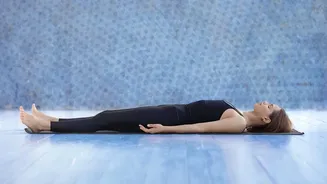
Both practices are celebrated for their mental health benefits, but they achieve them differently. Yoga is fundamentally a practice of turning inward. Through controlled breathing (pranayama) and holding postures (asanas), you are encouraged to connect with your body's internal sensations and quiet the mind. This focus on mindfulness is proven to lower stress hormones and promote a sense of inner peace. Dance often cultivates an external focus. Your attention is directed toward the music, the rhythm, the choreography, and your movement through space. It provides an outlet for emotional expression, allowing you to release feelings through physical movement, which can be incredibly therapeutic and mood-boosting. While yoga helps you manage stress by going inward, dance helps you release it by moving outward.
The Role of Breath and Music
Breath is central to yoga. It’s a tool used to guide movement, deepen stretches, and regulate the nervous system. Learning to control your breath helps make the practice more meditative and enhances the mind-body connection. In dance, music is the driving force. The beat, tempo, and melody dictate the pace and emotional tone of the movement. The joy and energy of the music often release endorphins, creating a 'dancer's high' that reduces stress and boosts happiness. In yoga, you follow your breath; in dance, you follow the beat. Both pathways can lead to a state of flow, but the vehicle that gets you there is different.
Finding Your Fit: Which Is Right for You?
The best choice depends entirely on your personal goals and preferences. If you are seeking to reduce stress, improve flexibility, and build core strength through a mindful practice, yoga might be your ideal match. There are many styles to explore, from gentle Hatha to more physically demanding Vinyasa. If your goal is a high-energy workout that improves cardiovascular health, coordination, and offers a fun, social outlet for expression, dance is an excellent option. High-intensity options like Zumba offer a great workout, while ballroom or ballet can enhance grace and posture. Many people find that the best approach is not to choose one over the other, but to integrate both into their routine. Combining the practices offers a balanced approach to wellness, using dance for cardio and energy and yoga for flexibility, strength, and mental calm.