



1. The Classic Creamy Bowl
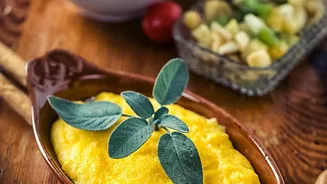
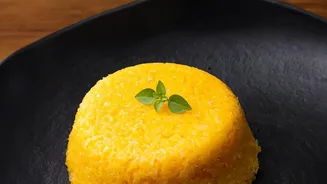
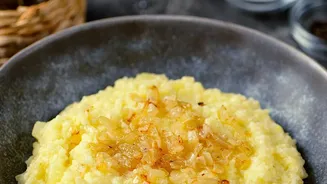
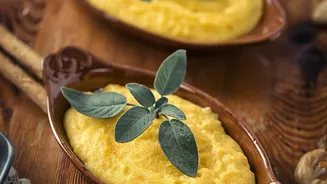
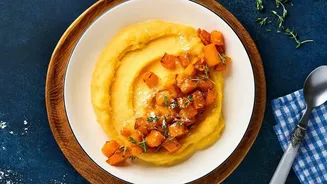
The most fundamental form of polenta is a soft, creamy porridge, reminiscent of Southern grits but with its own distinct character. This is polenta in its purest state and serves as the perfect canvas for a variety of toppings. To achieve this texture,
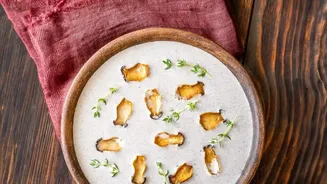
cornmeal is slowly cooked with water, broth, or milk while being whisked frequently to prevent lumps. Patience is key; traditional polenta can take 30 to 45 minutes of gentle simmering to release its starches and become perfectly tender. Once cooked, it’s often enriched with butter and grated Parmesan or Pecorino cheese for a savoury, umami-rich finish. This creamy version is a wonderful side dish, ideal for serving underneath a rich meat ragu, a mushroom stew, braised short ribs, or even just topped with a simple poached egg.
2. Crispy Pan-Fried Slices
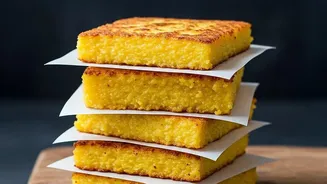
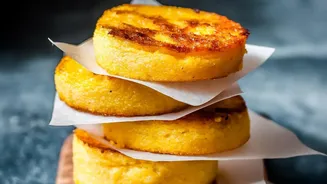
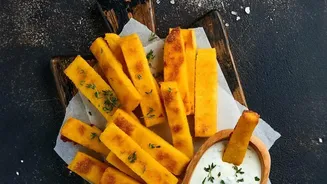
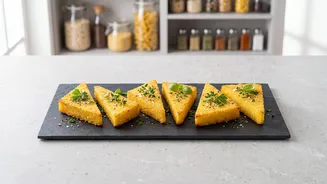
Here’s where polenta’s transformative magic truly shines. Any leftover creamy polenta can be spread into a pan, chilled until firm, and then cut into squares, triangles, or rounds. These firm shapes are then pan-fried in olive oil until a beautifully golden and crispy crust forms on the outside, while the inside remains soft and tender. This method creates a delightful contrast of textures. For an extra-crispy finish, some cooks suggest coating the polenta slices in a light dusting of flour or breadcrumbs before frying. These fried polenta bites are fantastic served as an appetizer with a side of marinara for dipping, or used as a gluten-free alternative to crostini, ready to be topped with anything from pesto and mozzarella to sautéed mushrooms.
3. Hearty Baked Casserole
For a comforting, all-in-one meal, polenta can be used as the base for a hearty baked casserole, similar to a lasagna. In this preparation, layers of soft or firm polenta are alternated with other delicious ingredients in a baking dish. Popular combinations include a rich meat sauce, sautéed vegetables like mushrooms and spinach, and generous amounts of cheese such as mozzarella or Parmesan. One method involves layering cooked polenta with a ground turkey and mushroom spaghetti sauce. Another variation uses a creamy mushroom and thyme sauce. The casserole is then baked until it's hot, bubbly, and the cheese is melted and golden. It’s a complete, satisfying meal that is perfect for a weeknight family dinner and a great way to use up leftover vegetables.
4. Smoky Grilled Wedges
Grilling adds a wonderful smoky dimension to polenta's mild, sweet flavour. Similar to frying, this method starts with chilled, firm polenta that has been cut into thick slices, squares, or wedges. Before hitting the grill, the pieces are typically brushed with olive oil to prevent sticking and to help them develop those coveted grill marks. They need only a few minutes per side on a hot grill to become beautifully charred and warmed through. Grilled polenta is an excellent side dish for barbecued meats or vegetables. It can also be the star of an appetizer platter, topped with ingredients like goat cheese and roasted red peppers, or a fresh tomato bruschetta topping.
5. Creative Appetizer Bites
Because it can be cut into any shape and holds up well to toppings, polenta is an ideal foundation for creative canapés. Once chilled and sliced, you can bake, fry, or grill the pieces to create a sturdy, gluten-free base. From there, the possibilities are nearly endless. You can top small polenta rounds with a dollop of pesto and a slice of fresh mozzarella, or fig jam and prosciutto for a sweet and salty combination. Another idea is to treat it like a mini pizza crust, topping it with tomato sauce, cheese, and other small ingredients. These polenta appetizers are perfect for parties because the bases can be prepared ahead of time and then topped just before serving.