

The Two Types of Dietary Iron
Before understanding the magic of Vitamin C, it’s important to know that iron in our food comes in two forms: heme and non-heme. Heme iron is found in animal products like meat, poultry, and fish. It is highly bioavailable, meaning our bodies can absorb
it very efficiently, typically at a rate of 15% to 35%. The second type, non-heme iron, is found in plant-based sources such as leafy greens (like spinach), beans, lentils, and fortified cereals. While abundant, especially in vegetarian and vegan diets, non-heme iron is much harder for our bodies to absorb, with absorption rates as low as 1% to 15%. This is because plant-based foods often contain compounds that can hinder its uptake. Since up to 90% of the iron in many diets is non-heme, finding ways to absorb it better is crucial for maintaining healthy energy levels and overall wellness.
Vitamin C: The Key to Unlocking Plant-Based Iron
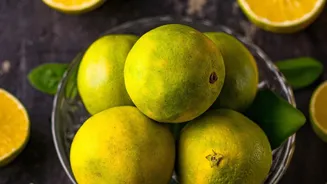
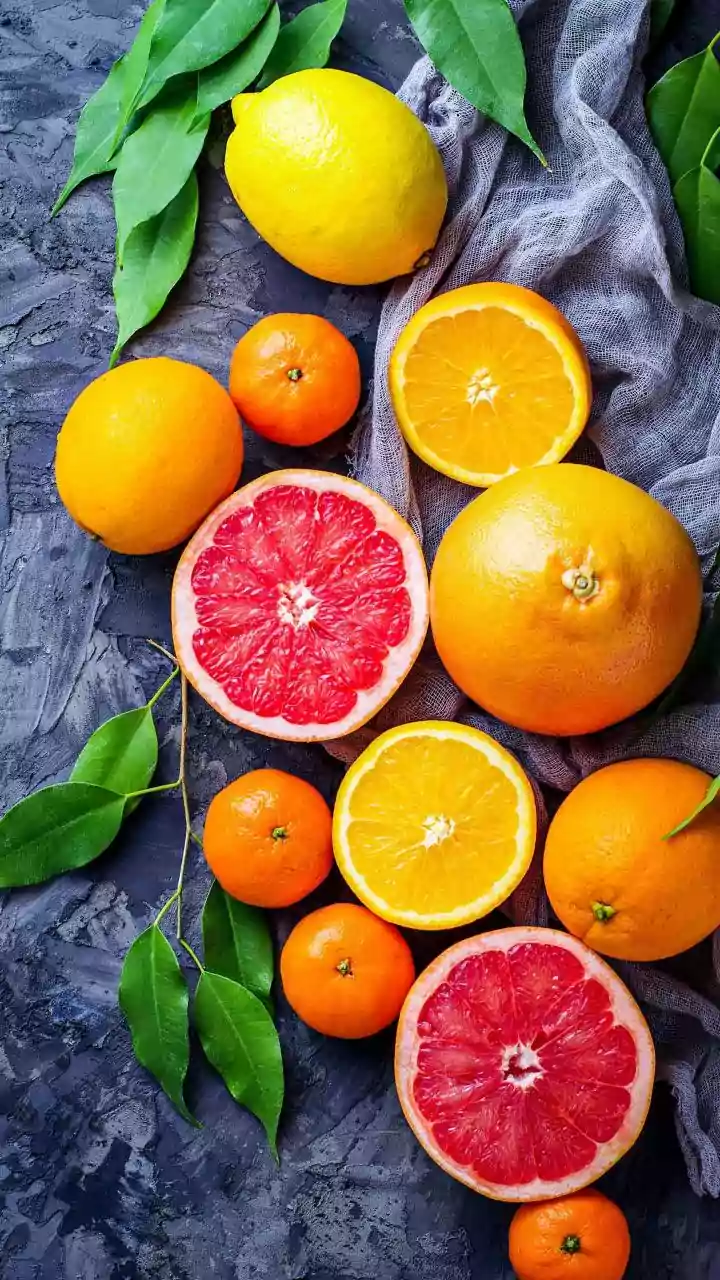
This is where Vitamin C, or ascorbic acid, plays a starring role. When you consume Vitamin C along with a source of non-heme iron, it triggers a chemical reaction in your digestive system. Non-heme iron is typically in a ferric (Fe3+) state, which is difficult for our intestines to absorb. Vitamin C is a powerful enhancer because it helps convert this ferric iron into the more soluble ferrous (Fe2+) state, a form your body can readily absorb. It essentially makes the iron more bioavailable. Studies show that the enhancement of iron absorption is directly proportional to the amount of Vitamin C present in the meal. So while the headline's claim of 'doubling' absorption is a simplification, adding Vitamin C can significantly increase the amount of iron you get from your plant-based meals.
Beyond Lemon on Spinach: Perfect Pairings for Your Plate
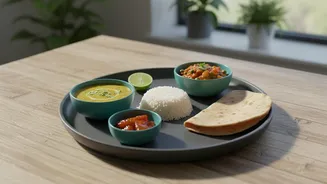
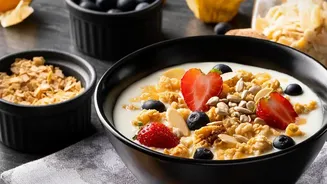
The principle works with any combination of non-heme iron and Vitamin C. This opens up a world of delicious and nutritious food pairings that go far beyond just citrus and leafy greens. Think about incorporating these combinations into your daily meals to maximize your iron intake: Dal or Lentil Soup with Tomatoes: Cooking lentils (a great source of non-heme iron) with tomatoes, which are rich in Vitamin C, helps your body absorb more iron from the legumes. Bean Salad with Bell Peppers: A colourful salad with black beans or chickpeas and chopped red or yellow bell peppers is a classic powerhouse pairing. Bell peppers are one of the best sources of Vitamin C. Oatmeal with Berries: Topping your morning bowl of iron-fortified oatmeal with fresh strawberries is a simple way to boost absorption. Tofu Stir-fry with Broccoli: For a protein-packed meal, combine iron-rich tofu with broccoli, another vegetable loaded with Vitamin C. Palak Paneer with Amla: While spinach contains iron, it also has oxalates that can inhibit absorption. Adding a squeeze of amla (Indian gooseberry) juice, which is exceptionally high in Vitamin C, can help counteract this.
Watch Out for Iron Blockers
Just as Vitamin C can enhance iron absorption, other common compounds can block it. It’s useful to be aware of these so you can time your meals and drinks effectively. The main inhibitors include: Phytates: Found in whole grains, legumes, nuts, and seeds, phytates can significantly reduce iron absorption, sometimes by 50% or more. Polyphenols (including Tannins): These are present in tea and coffee. Drinking tea or coffee with a meal can reduce iron absorption by as much as 60-90%. It's best to enjoy these beverages at least an hour before or after your iron-rich meals. Calcium: While essential for bone health, calcium can interfere with the absorption of both heme and non-heme iron. Try to avoid consuming dairy products or calcium supplements at the same time as your main iron-rich meal.