






The Quiet Rebellion Against 'Fast'
Our modern lives are built on a foundation of 'more, faster, now'. We pack our weekends with back-to-back plans and our vacations with impossible checklists, treating them like projects to be completed. The result? We arrive at our destination—be it a hill
station or a Monday morning meeting—feeling just as drained as when we started. The 'slow movement' is a quiet, powerful rebellion against this burnout culture. It isn't about being lazy or inefficient. It's about being intentional. It’s the conscious choice to savour moments, engage deeply with our surroundings, and prioritise connection over convenience. By deliberately slowing down, we make space for observation, reflection, and genuine enjoyment, transforming mundane activities into meaningful experiences.
Redefine Your Daily Commute
For many, the daily commute is a stressful, hurried necessity—a slice of the day to be endured, not enjoyed. Whether you’re navigating crowded city streets or packed into a local train, it's often a source of anxiety. But what if it could be a pocket of peace? Try this: instead of doomscrolling through social media, put on a full music album you've been meaning to listen to. Or download a podcast or audiobook. If you use ride-sharing apps, resist the urge to work on your phone and instead just look out the window. Notice the architecture, the street vendors, the changing light. If your route allows, get off one stop early and walk the rest of the way. Reclaiming these small, rushed moments is the first step toward enjoying the larger journey of your day.
Travel Without a Checklist
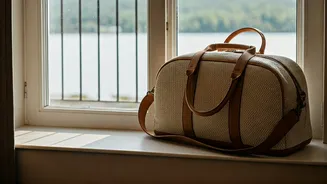
The classic Indian vacation often involves a frantic rush to tick off every 'must-see' spot, from sunrise points to famous temples. You return home with a camera full of photos but a distinct feeling of exhaustion. Let’s reframe travel. Instead of trying to conquer a destination, aim to connect with it. Pick one neighbourhood and spend an entire afternoon exploring it without a map. Sit at a local tea stall and just watch the world go by. Ask a shopkeeper for their favourite place to eat, rather than relying on a top-ten list online. Spending three hours enjoying an unhurried, delicious meal at one restaurant is often more memorable than rushing between three different viewpoints. The goal is not to see everything, but to truly experience something.
Embrace the Art of Doing Nothing
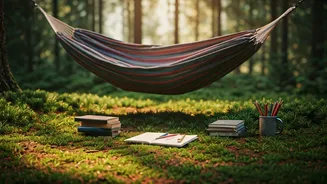
In a culture that glorifies hustle, 'doing nothing' can feel like a failure. We feel a constant pressure to be productive, even in our downtime. This is where the Italian concept of 'dolce far niente'—the sweetness of doing nothing—offers a beautiful antidote. It’s not about idleness; it’s about allowing yourself to be present without an agenda. Find a park bench and simply sit. Watch the clouds. Lie in a hammock. This intentional inactivity is not wasted time. It is a vital process that allows our brains to recharge, our creativity to flourish, and our nervous systems to reset. Schedule 'nothing' into your calendar just as you would a meeting. Protect that time fiercely. It is in these quiet, empty spaces that we often find the most clarity.
Find Joy in the Process
This philosophy extends beyond travel and commutes. It can transform how we approach our work, hobbies, and even our relationships. When cooking, focus on the smell of the spices and the sound of the onions sizzling instead of just rushing to get the meal on the table. When talking to a loved one, put your phone away and give them your complete, undivided attention. The core idea is to shift your focus from the outcome to the process. The satisfaction of a completed task is fleeting, but the joy found in the act of doing is a renewable resource. When the journey itself becomes the reward, you’ll find that you have an infinite supply of happiness available to you, every single day.