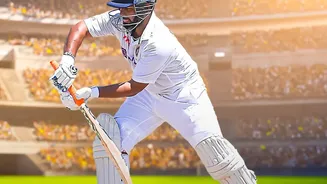







In a move that has stunned the domestic cricket circuit, 15-year-old batting prodigy Vaibhav Sooryavanshi has been appointed captain of Bihar for the Syed Mushtaq Ali Trophy, making him one of the youngest skippers in T20 history.
Vaibhav Sooryavanshi: The 15-Year-Old Leader
The Bihar Cricket Association's
decision to hand the captaincy to Vaibhav Sooryavanshi for India's premier domestic T20 tournament is a monumental show of faith. Born in 2011, the batting sensation has had a meteoric rise, making his first-class debut for Bihar at just 12 years old in 2024. His aggressive, left-handed batting has already seen him break records in the IPL for Rajasthan Royals and earn a cap for the Indian senior team. According to BCA President Harsh Vardhan, Sooryavanshi has demonstrated 'tremendous talent, confidence and maturity' beyond his years. While he will only be available for the first two matches before joining the India A squad for the Rising Stars Asia Cup, his appointment marks him as the youngest captain in the history of the Syed Mushtaq Ali Trophy and potentially the youngest to ever lead a senior T20 side.
Rashid Khan: The International Prodigy
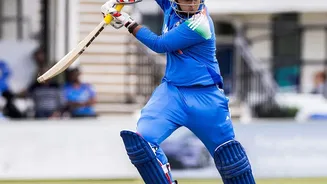
Before Sooryavanshi, the poster boy for young leadership in modern cricket was Afghanistan's Rashid Khan. In 2018, at just 19 years and 165 days old, he became the youngest player to captain a men's international team when he led Afghanistan in an ODI World Cup qualifier against Scotland. While his captaincy debut was in the 50-over format, he also became the youngest Test captain in history a year later at 20 years and 350 days. Rashid's tactical acumen and all-round brilliance made him a natural leader, and he has since captained his country in multiple stints, including in the T20I format. His early elevation to the top job demonstrated a growing trend in world cricket: trusting prodigious talent with immense responsibility, regardless of age.
Rohit Paudel: Nepal's Youthful Commander
Nepal's Rohit Paudel is another prime example of a player groomed for leadership from a young age. He was named captain of the ODI side at just 20 years and 73 days, making him the second-youngest in that format's history. Paudel took the reins during a challenging period for Nepalese cricket and immediately inspired a turnaround, leading the team to a remarkable run of victories that secured them a spot in the World Cup Qualifier. He was subsequently handed the T20I captaincy, guiding Nepal to their first T20 World Cup since 2014. Having made his own international debut at 15, Paudel's journey from teenage prodigy to national hero and skipper underscores the confidence smaller cricketing nations often place in their brightest young stars.
Mahipal Lomror: A Previous SMAT Record
Within the context of the Syed Mushtaq Ali Trophy, Sooryavanshi's appointment shatters a previous record. Before him, the youngest player to lead a team in the tournament was Mahipal Lomror. In 2018, Lomror captained Rajasthan at the age of 18 years and 67 days. While 18 is exceptionally young for a captain in a senior domestic tournament, Sooryavanshi taking the armband at 15 puts the achievement in a completely different stratosphere. It reflects not only on the player's incredible skill but also on the evolving mindset of team management, who are increasingly willing to look past age and focus purely on ability and leadership potential.
The T20 Trend: Fearless Youth at the Helm
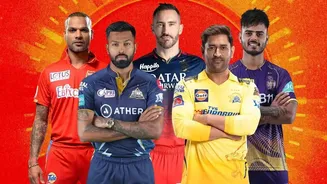
While many of the world's youngest T20I captains come from associate nations—with Croatia's Zach Vukusic holding the record at 17 years and 311 days—the trend is catching on in major cricket countries too. The T20 format, with its emphasis on innovation, aggression, and fearless play, is perfectly suited to young minds unburdened by the rigid doctrines of the past. Appointing a young captain can inject a fresh, attacking philosophy into a team. The first ever T20 World Cup was famously won by India under a 26 year old MS Dhoni, an appointment that was considered a gamble at the time but ushered in a new era. Sooryavanshi's captaincy, while temporary for now, is another bold step in this direction.