
What is a 'Use-First' Box?
Think of it as a triage station for your refrigerator. A 'use-first' box is a designated, highly visible spot—a clear container, a specific shelf—for any food that needs to be eaten soon. It’s not about fancy equipment; it’s a system to put vulnerable
items front and centre, reminding you to use them before they spoil. By grouping these items together, you make it easier to see what you have at a glance, taking the guesswork out of what to cook next and drastically reducing the chances of discovering a science experiment in your crisper drawer.
Who Gets Priority? Identifying Your 'Use-First' Candidates
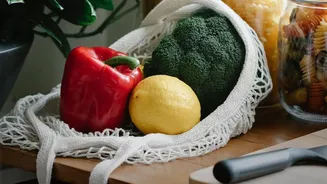
The prime candidates for your box are items in a state of vulnerability. This includes both produce that is naturally delicate and items that have been opened. Delicate vegetables have a short shelf life and should be prioritised. This category includes leafy greens like spinach and lettuce, fresh herbs like coriander and basil, mushrooms, berries, and asparagus. Once a vegetable is chopped or a package is opened—think a half-used bag of baby carrots or a cut bell pepper—it also becomes a priority item. Its exposure to air accelerates spoilage, so it should go directly into the use-first zone.
Building and Pairing for Success
Choose a clear bin or designate a top shelf at eye-level for your use-first station. The goal is visibility. Now, pair items strategically. Place that half-bunch of fresh methi next to the open packet of paneer. Put the remaining half of a chopped onion beside the mushrooms that need to be used up. This pairing isn't just for organization; it's for meal inspiration. Seeing these items together prompts you to think, “I can make a quick stir-fry with these.” Labelling the bin with a simple “Eat Me First” sign can also serve as a helpful visual cue for the entire household.
Make It a Daily Habit
A system only works if you use it. Integrate the 'use-first' box into two key routines: grocery unpacking and meal prepping. When you get home from the store, immediately triage your produce. What needs to be eaten in the next two days? That goes in the box. The rest gets stored appropriately for longer life. Then, when you’re deciding what to make for dinner, your first stop should always be the use-first box. Challenge yourself to build a meal around at least one item from the box each day. This simple habit shift transforms the box from a static storage spot into a dynamic part of your kitchen workflow.
Beyond the Box: Smart Storage Complements
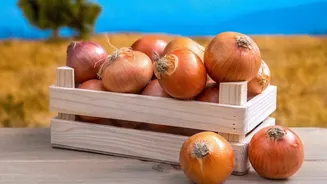
The 'use-first' box works best when paired with smart overall produce storage. For instance, keep ethylene-producing fruits like apples, bananas, and tomatoes separate from ethylene-sensitive vegetables like cucumbers, carrots, and leafy greens. Ethylene gas speeds up ripening and spoilage. Store root vegetables like potatoes and onions in a cool, dark, dry place, not the fridge. And remember simple tricks, like wrapping celery in foil or storing mushrooms in a paper bag, can significantly extend the life of your produce, giving you more time before it even needs to enter the 'use-first' box.