







A Celebration of the King
Mango festivals are annual events, most famously held in cities like Delhi and Lucknow, dedicated to celebrating the mango harvest. These gatherings are more than just fruit markets; they are vibrant cultural fairs. The International Mango Festival in Delhi,
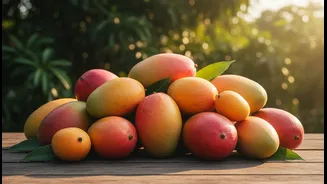
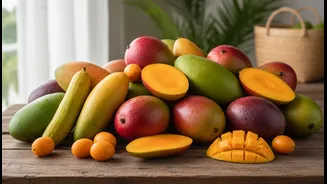
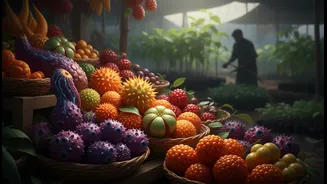
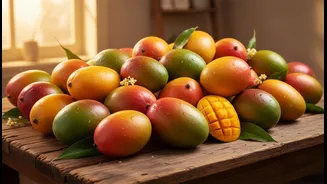
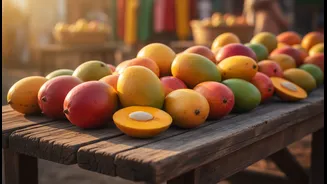
for example, has been a tradition since 1987, organised by tourism and agricultural bodies to showcase the sheer diversity of the fruit. Visitors can taste hundreds of varieties, from the world-famous Alphonso to rare, local cultivars that never reach commercial markets. These events also feature cooking demonstrations by renowned chefs, mango-eating competitions, cultural performances, and displays of value-added products like jams, pickles, and juices. They serve as a platform to educate the public, who may only be familiar with a handful of common types, about the more than 500 varieties grown across the nation.
The Practical Impact: More Than Just Sweetness
The practical impact of these festivals is significant, creating a direct bridge between farmers and consumers. For growers, especially those from states like Uttar Pradesh, Bihar, and Gujarat, these events provide an invaluable platform to showcase their produce, bypass intermediaries, and secure better prices. This direct interaction often translates into higher incomes and financial stability. Festivals also serve a crucial role in boosting exports. By showcasing the quality and variety of Indian mangoes to a national and international audience, organisers hope to increase India's share in the global market. Recently, the Uttar Pradesh government has focused heavily on this, inaugurating new pack houses and branding initiatives like the 'Kakori' brand for Malihabadi mangoes to strengthen their global identity. Beyond sales, these festivals also promote agri-tourism, drawing visitors to orchards for tours and tastings, creating another revenue stream for farming communities.
Preserving Agricultural Heritage
In an era of agricultural homogenisation, where only a few commercial varieties dominate the market, mango festivals act as crucial custodians of biodiversity. Many feature hundreds of heirloom and lesser-known mango types, some weighing as much as two kilograms, preserving them in the public consciousness and creating a market for them. Festivals held in Lucknow, for instance, are known for showcasing local heritage varieties like Dussehri, Langra, and Chausa. This focus on diversity encourages the continued cultivation of traditional varieties, safeguarding the genetic richness of India's mango heritage, which traces back thousands of years. Some festivals even incorporate workshops on organic farming and biodiversity walks, further emphasising their role in promoting sustainable agricultural practices.
Remaining Questions and Challenges
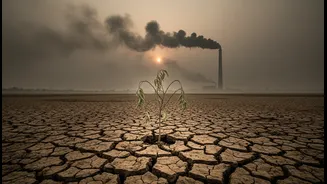
Despite their many benefits, mango festivals are not without challenges. A key question is who truly benefits the most. While the goal is to support small farmers, the logistics and costs of participating in a large urban festival can sometimes be prohibitive, potentially favouring larger growers and agri-businesses. Furthermore, the success of these festivals is intrinsically linked to the agricultural calendar, which is becoming increasingly unpredictable due to climate change. Unseasonal rains or extreme heat can devastate a harvest, impacting the festival's scale and the livelihoods of the very farmers it aims to support. There is also the challenge of modernisation and fading traditions. As younger generations move away from agriculture, there is a risk that the deep-seated cultural knowledge associated with these harvest celebrations could diminish over time, turning them into purely commercial events rather than holistic community gatherings.