



The Post-Monsoon Sweet Spot
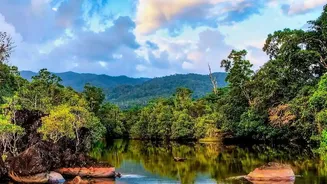
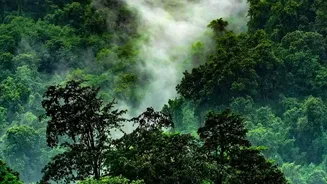
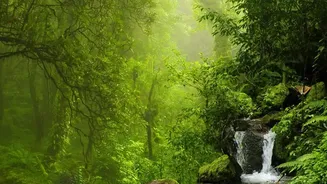
The period from October to November is arguably the best time to experience Sohra. The heavy rains of the monsoon have nourished the landscape, leaving it incredibly lush and green, but the downpours have subsided. This means the region's famous waterfalls,
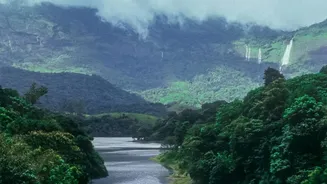
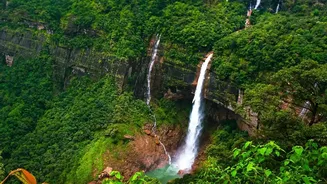
like Nohkalikai and Seven Sisters Falls, are still powerfully fed by the season's rainfall but are more likely to be visible under clearer skies. It's a perfect balance: you get the dramatic, water-filled scenery without the constant rain and potential travel disruptions of the peak monsoon months. The air is crisp and comfortable, making it ideal for the trekking and sightseeing that define any trip to this part of Meghalaya.
Chasing Sohra's Majestic Waterfalls
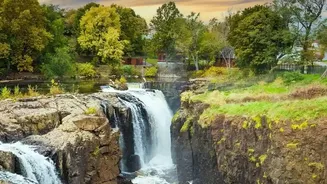
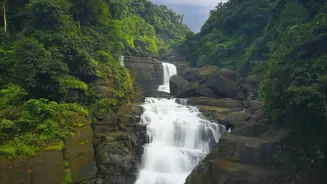
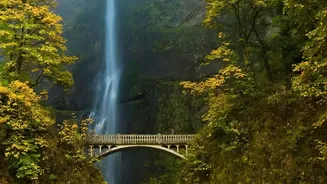
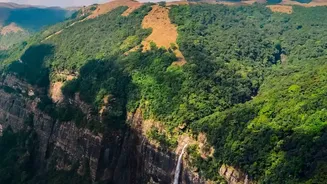
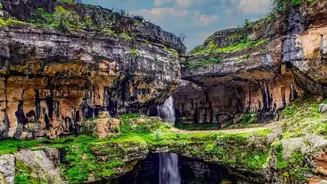
Sohra is synonymous with waterfalls. At 340 metres, Nohkalikai Falls is India's tallest plunge waterfall, cascading into a stunning turquoise-green pool. Its force is a sight to behold, especially after the monsoon. Nearby, the Seven Sisters Falls, or Nohsngithiang Falls, presents a wider, curtain-like spectacle as seven distinct streams drop over limestone cliffs. While these falls are best during the monsoon, the post-monsoon season ensures they are still flowing impressively. Other cascades like the three-tiered Wei Sawdong and the thunderous Dainthlen Falls are also accessible and offer unique vistas, each carrying its own Khasi legend and spectacular beauty.
The Living Wonder of Root Bridges
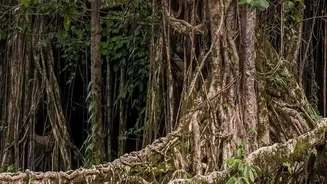
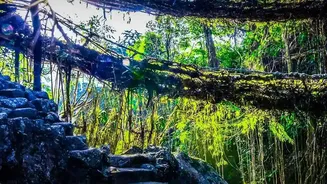
No trip to Meghalaya is complete without seeing the incredible living root bridges, a unique bio-engineering marvel of the Khasi people. The most famous of these is the Umshiang Double-Decker Root Bridge in Nongriat village. Reaching it requires a significant trek, starting from Tyrna village, that involves descending approximately 3,500 stone steps. The journey is challenging but immensely rewarding, taking you through dense forests and over narrow suspension bridges. The bridges themselves are grown from the aerial roots of the rubber fig tree (Ficus elastica), guided across rivers over many years to form a living, strengthening structure that thrives in the wet climate. Once at the bottom, you can walk across the ancient, moss-covered roots and even take a refreshing dip in the crystal-clear pools below.
Planning Your Meghalaya Adventure
Sohra is located about 55 kilometres from Shillong, the state capital, which serves as the primary entry point for most travellers. You can hire a taxi from Shillong for a day trip or for multiple days. For the trek to the Nongriat Double-Decker bridge, you'll need to drive to Tyrna village, which is the starting point. The trek itself can take a full day, so plan accordingly. It's recommended to start early to avoid the midday heat. Sturdy, comfortable walking shoes are essential. While it's cooler than the plains, the trek can be strenuous, so dress in light layers. Always carry water and some snacks. Though October and November see less rain, it's wise to pack a light rain jacket, as showers can be unpredictable in Cherrapunji.