


Choose the Right Pot and Variety
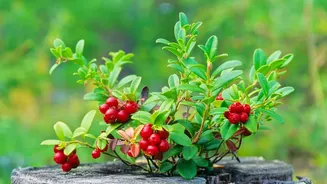
Cranberry plants have a unique growth habit, sending out runners that spread horizontally. Because of this, a wide, shallow container is more important than a deep one. Look for a pot that is at least 12 inches in diameter to give the roots and runners space
to expand. Trough-style planters or window boxes also work very well for their spreading nature. Make sure any container has excellent drainage holes to prevent waterlogging. When selecting a plant, look for compact or dwarf varieties like 'Pilgrim' or 'Stevens,' which are better suited for container life.
Create the Perfect Acidic Soil
This is the most critical step. Cranberries are acid-loving plants and will not survive in standard potting soil. They require a soil pH between 4.0 and 5.5. The best way to achieve this is by creating your own mix. A combination of sphagnum peat moss, coarse sand, and a bit of compost is ideal. Pre-made potting mixes for acid-loving plants like azaleas can also be a good starting base. Using rainwater or distilled water for your plants is highly recommended, as tap water is often too alkaline and can raise the soil's pH over time.
Provide Ample Light
Cranberries need a great deal of light to produce fruit. For indoor growing, this means placing your plant in the sunniest spot you have, typically a south-facing window where it can receive at least six hours of direct sunlight each day. If you don't have a location with sufficient natural light, you will need to supplement with a grow light to ensure the plant gets the energy it needs for healthy growth and fruit development. Without enough light, your plant may survive but is unlikely to flower or produce berries.
Master the Watering Routine
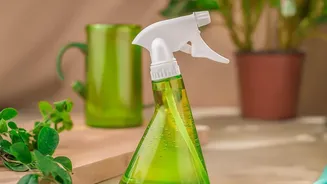
True to their boggy origins, cranberries love consistently moist soil. The goal is to keep the soil damp to the touch at all times, but never soggy or waterlogged, which can lead to root rot. Check the soil daily, especially during warmer months. Self-watering pots can be a useful tool to help maintain consistent moisture levels. Because they also appreciate humidity, misting the plant occasionally can be beneficial, particularly in dry indoor environments.
The Crucial Winter Dormancy
To produce flowers and fruit, cranberry plants must experience a cold dormancy period. This mimics the winter season in their native habitat. Your plant needs several months of 'chilling hours' at temperatures between 0°C and 7°C. In the fall, as days get shorter, move your plant to a cool, dark location like an unheated garage, shed, or basement. During this time, water it very sparingly, just enough to keep the soil from completely drying out. Once the risk of frost has passed in the spring, you can gradually reintroduce it to a warmer, brighter location to wake it up.
Pollination and Fertilization
Cranberry flowers are self-fertile, but they need help with pollination indoors where there are no bees. When the plant is in bloom, you can gently shake the branches daily or use a small, soft brush to move pollen between the flowers. A small fan can also help circulate pollen. As for feeding, cranberries are light feeders. Fertilize sparingly in the spring with a food formulated for acid-loving plants, like those used for blueberries or azaleas. Avoid fertilizers high in nitrates, as they can damage the sensitive roots.