



The Blooming of the Ghats
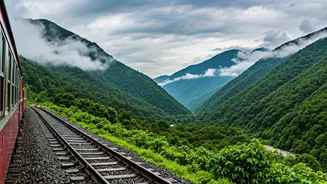
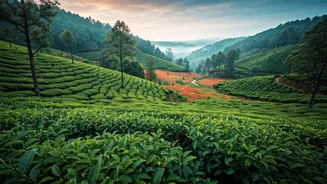
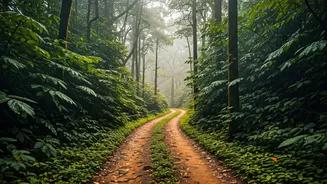
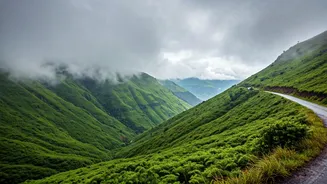
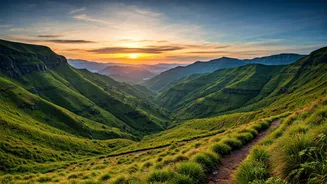
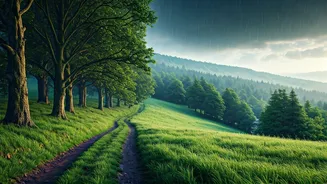
The Western Ghats, a UNESCO World Heritage site, sheds its summer brown for an emerald green cloak. This biodiversity hotspot becomes a theatre of life, with countless species of plants bursting into bloom. It’s a time when hidden trails lead to misty
valleys and the air is thick with the scent of wet earth and fresh foliage. The mountains, which play a crucial role in directing the monsoon winds, are home to nearly 30% of India's flora and fauna. The unique Shola forests, montane grasslands interspersed with patches of evergreen forest, become particularly lush and mysterious during this season.
The Carpet of Flowers
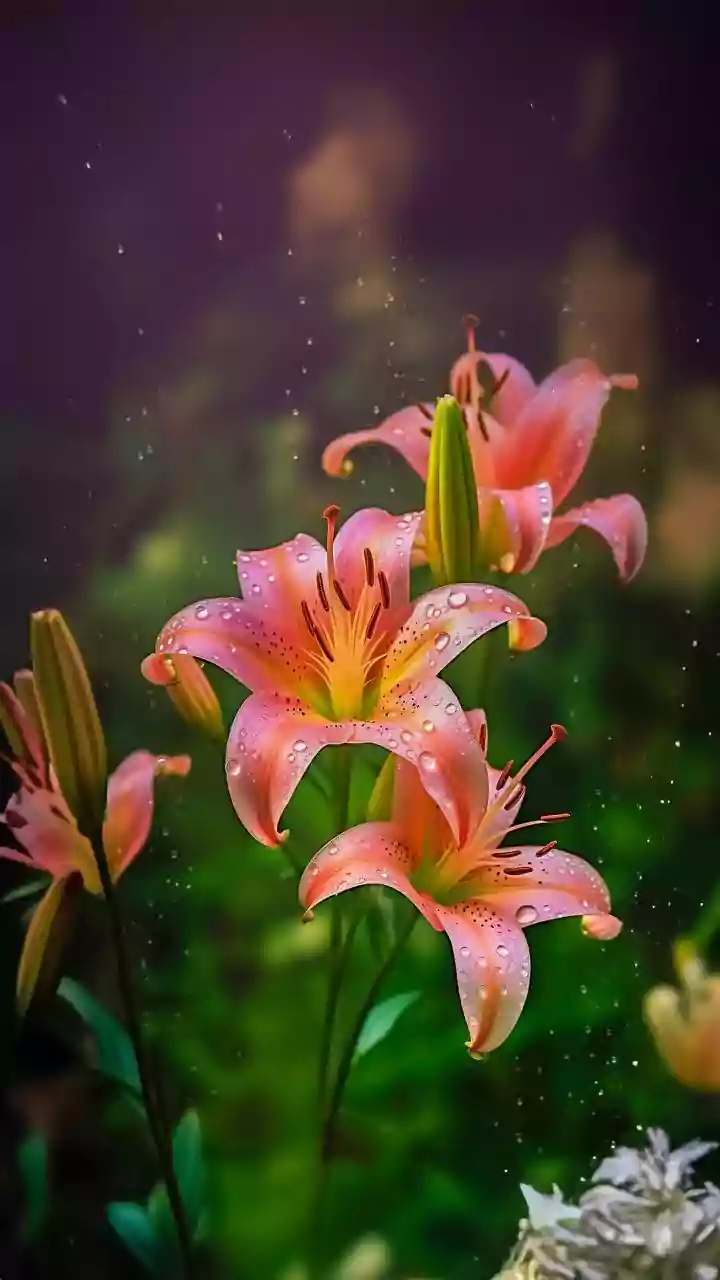
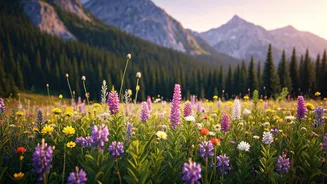
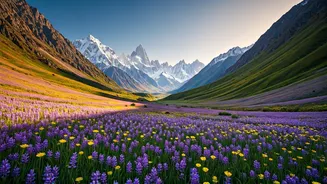
High in the Himalayas of Uttarakhand, the Valley of Flowers National Park lives up to its name, offering its most spectacular display during the monsoon. This high-altitude alpine valley becomes a vibrant carpet of over 600 species of flowers, including the rare Blue Poppy and Brahma Kamal. The best time to witness this floral paradise is from July to September, when the rains have fully awakened the meadows. Similarly, in Maharashtra, the Kaas Plateau, known as Maharashtra's Valley of Flowers, transforms into a tapestry of colourful, endemic wildflowers from August to October, with its appearance changing every few weeks as different species bloom.
Waterfalls in Their Full Glory
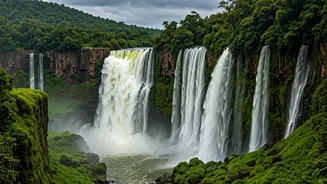
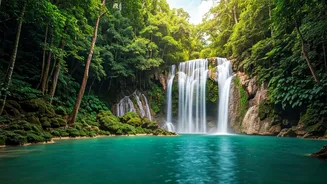
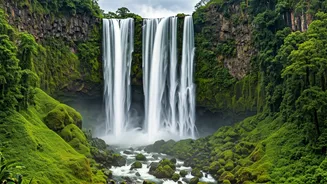
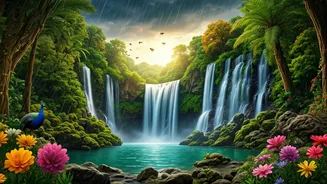
The monsoon is the only time to witness India's waterfalls in their most powerful and majestic state. In Goa, the Dudhsagar Falls, meaning 'Sea of Milk', becomes a thunderous four-tiered cascade. Karnataka's Jog Falls, one of the country's tallest plunge waterfalls, drops dramatically amidst dense evergreen forests. In Kerala, Athirappilly Falls is often dubbed the 'Niagara of India' for its sheer breadth and volume during the rains. Further north, in Meghalaya, Nohkalikai Falls, India's tallest plunge waterfall, presents a breathtaking and dramatic sight as it drops from a cliff near Cherrapunji.
The Chorus of Creatures
The arrival of rain is a cue for countless creatures to emerge. The monsoon is the best season to spot amphibians, reptiles, and a flurry of insect life. The chorus of frogs and the sight of a six-inch centipede become common. In the rainforests, giant snails emerge to feed on moss. While many national parks close their core zones, several buffer areas and specific sanctuaries remain open, offering a unique safari experience. In places like Periyar, Wayanad, and Kabini, elephant sightings are frequent. The rain washes away scent markings, making predators like tigers and leopards more active as they constantly need to re-mark their territories. For birdwatchers, the season is phenomenal due to the abundance of insect life.
A Trekker's Paradise
For the adventurous, the monsoon offers a unique and challenging trekking experience. Trails that are dusty in other seasons become lush, green, and often shrouded in mist. Treks in the Western Ghats, such as those in Coorg, Chikmagalur, and near Mahabaleshwar, lead through cloud forests and past overflowing streams. While leeches are an unavoidable part of the journey, the reward is an intimate encounter with an ecosystem at its peak intensity. The journey to the Valley of Flowers itself involves a trek from Govindghat to the base camp at Ghangaria, a path that follows the Pushpawati River through forests and past waterfalls, making the journey as beautiful as the destination.