

The Trend and Its Ancient Roots
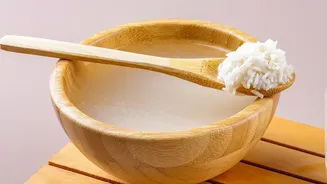
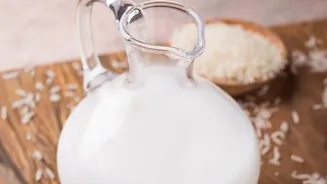
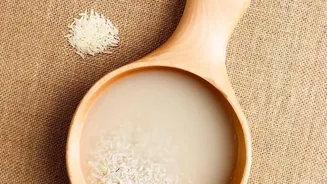
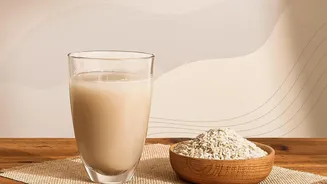
Scroll through wellness circles on social media, and you'll find countless tutorials and testimonials for a milky-white liquid promising transformative results. Fermented rice water, the cloudy fluid left over after soaking or cooking rice, is being hailed
as a natural powerhouse for beauty. Creators claim it can accelerate hair growth, add incredible shine, and soothe irritated skin. While it may seem like a modern discovery, this practice is centuries old. Its most famous proponents are the Red Yao women of China's Huangluo village, who are renowned for their exceptionally long, healthy hair, which they traditionally wash with fermented rice water. This historical context lends an air of time-tested wisdom to the trend, suggesting it's more than just a passing fad.
What Makes Fermented Rice Water Special?
When plain rice water is left to sit for 24 to 48 hours, a natural fermentation process begins. Microbes present on the rice convert starches into beneficial compounds. This process does two crucial things. First, it lowers the liquid's pH to a mildly acidic level (around 4.5-5.5), which is closer to the natural pH of hair and skin. This helps seal the hair cuticle, resulting in less frizz and more shine. Second, fermentation breaks down larger molecules into smaller, more bioavailable ones, such as amino acids, vitamins, and antioxidants. The resulting elixir is rich in nutrients like vitamins B, C, and E, as well as minerals and amino acids that are the building blocks of protein.
The Science of Hair and Skin Benefits
The claims for hair are numerous: increased strength, better elasticity, and stimulated growth. The key player here is often cited as inositol, a carbohydrate that studies suggest can penetrate the hair shaft and remain there even after rinsing, offering a protective effect against damage. The amino acids in the water help fortify the hair's structure, reducing breakage. For skin, the benefits are linked to a compound called Pitera, a byproduct of fermentation rich in vitamins and organic acids. This ingredient, famously highlighted by luxury skincare brands, is associated with promoting cellular renewal. Additionally, the anti-inflammatory properties and mild acidity can help soothe irritation and balance the scalp's microbiome, potentially reducing issues like dandruff.
Claims vs. Scientific Reality
While the chemical components of rice water are well-documented, direct clinical evidence for many of the grander claims remains limited. Much of the support is anecdotal or based on cultural tradition. Studies have shown that inositol, a component of rice water, may play a role in promoting hair growth and that rice bran extracts might help with certain types of hair loss, but large-scale human trials on fermented rice water itself are scarce. The benefits are plausible based on its nutrient profile, but it's not a guaranteed miracle cure. Results can vary dramatically based on hair type, porosity, and the preparation method. What works wonders for one person might leave another's hair feeling stiff or weighed down, a condition sometimes called 'protein overload'.
How to Make and Use It Safely
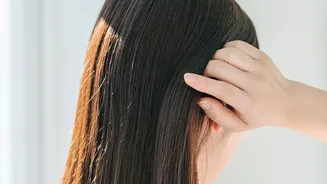
Making fermented rice water at home is straightforward. Start by rinsing a half-cup of uncooked rice to remove impurities. Then, soak the rinsed rice in two to three cups of water for at least 30 minutes, swirling it occasionally. Strain the cloudy water into a clean jar, loosely cover it, and let it sit at room temperature for 12 to 48 hours. It’s ready when it develops a slightly sour smell. At this point, move it to the refrigerator to stop the fermentation process, where it can be stored for up to a week. Always dilute the potent fermented mixture with plain water before use, especially if you have fine or low-porosity hair. Apply it after shampooing, let it sit for 5-20 minutes, then rinse thoroughly and follow with a conditioner.
Potential Risks and Considerations
While natural, fermented rice water isn't without risks. The most significant is spoilage; if left to ferment too long, it can grow harmful bacteria and mold, which can cause scalp irritation or infections. A foul, overpowering smell is a clear sign it has gone bad. For some hair types, the high protein and starch content can lead to buildup on the scalp or make hair feel brittle and dry. It's crucial to start slowly, perhaps using it only once a week, and always listen to your hair and scalp. A patch test is always a good idea before applying it generously for the first time.