




The New Calculus of Going Out
The decision of where to spend time and money has become more sophisticated. It’s no longer just about grabbing a coffee or a drink; it’s about the entire experience. Today’s consumer is willing to pay a premium for a well-designed space, attentive service,
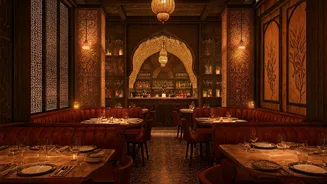
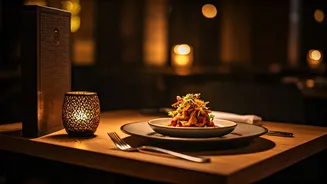
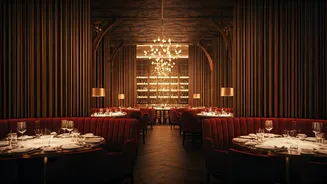
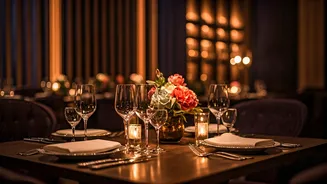
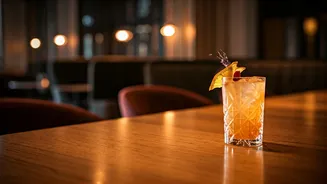
and a memorable atmosphere. [21] Brands like Social have found success by creating experience-oriented spaces that blend comfortable interiors with premium beverage offerings and social engagement. [21] This trend is a core part of the burgeoning 'experience economy,' where memories and shareable moments are valued more highly than material possessions. [6, 7] Projections show that Indian consumer spending on experiences like dining, travel, and leisure will grow at a faster rate (10.3% CAGR) than spending on physical goods (9.1% CAGR) between 2025 and 2030. [3, 5] The market for cafes and bars alone is projected to grow from around USD 18.8 billion in 2025 to over USD 30 billion by 2030, highlighting the massive commercial shift towards premium, experiential offerings. [15, 27]
Driven by a New Generation's Values
This transformation is being powered by India's younger demographics, particularly Millennials and Gen Z. [3, 5] Having grown up in a digital world, they view experiences as a crucial part of their identity and social currency. [6] Gen Z, now the largest demographic cohort in the Asia-Pacific region, is expected to have the fastest-growing spending power. [8, 20] They seek out unique, culturally immersive, and digitally shareable environments. [4, 12] A survey found that 78% of consumers now prefer spending on experiences rather than physical products. [7] For these generations, a cafe with a distinct aesthetic or a bar with a unique concept isn't just a place to go—it's a destination that reflects their values and offers content for their social feeds. [12, 20] This is pushing brands to focus on authenticity, storytelling, and creating visually distinctive spaces. [10, 12]
The 'Third Place' Phenomenon
The rise of remote and hybrid work has fundamentally changed our relationship with physical spaces. Cafes are increasingly becoming the “third place”—a crucial environment that is neither home (the first place) nor the office (the second place). [10, 25] These establishments offer a comfortable, productive, and social alternative to working from home, combating the isolation that many remote workers feel. [23] As a result, essentials for a modern cafe now include reliable Wi-Fi, ample charging stations, and comfortable seating designed for longer stays. [11] This has turned cafes into informal offices and social hubs, where the ambiance and infrastructure are as important as the coffee itself. [10, 23] This behavioural shift has increased 'dwell time', making the overall experience a primary driver of business success. [10]
Premium Comfort Across Hospitality
The trend extends far beyond cafes and bars into the broader travel and hospitality industry. Travellers today are seeking more than just a place to sleep; they are looking for personalized, high-end experiences. [16] This has fueled the rise of 'lifestyle hotels,' which combine locally inspired design and cultural experiences with the reliability of major brands. [4] This segment is growing significantly faster than the overall hotel market, with supply expanding at a 19% compound annual growth rate between 2015 and 2025, compared to just 5% for the broader market. [8] Affluent Indian travellers are increasingly driving this demand, choosing domestic destinations that offer wellness, cultural immersion, and unique culinary journeys. [28, 29, 30] Spending on hotel accommodation is forecast to be one of the fastest-growing segments, with a projected CAGR of 10.6% through 2030. [5, 13]
The Winning Business Model
For businesses, embracing this shift is proving to be a winning strategy. Premium offerings command higher prices and better profit margins. [15, 16] Lifestyle hotels, for instance, have been shown to generate revenue-per-available-room premiums of 7-13% compared to their traditional counterparts. [4] By creating a strong sense of place and community, brands can foster deep customer loyalty that goes beyond transactional relationships. [10, 25] They are no longer just selling a product; they are curating a multi-sensory experience and building a brand that resonates on an emotional level. [11] This focus on experience over product is not just a passing trend but a structural reset in consumer behaviour, creating a clear path to growth for businesses that understand how to deliver value beyond the basics. [12]