







Why Old-School Planning Falls Short
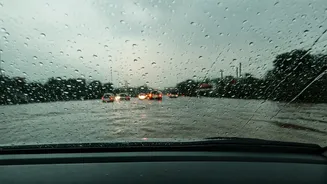
Planning a route in advance is a classic first step for any road trip. However, Indian roads are notoriously dynamic. A clear highway can become a jam-packed nightmare in minutes due to an accident, sudden weather changes like monsoon downpours, or unexpected
road work. Relying solely on a pre-planned route without real-time updates is like navigating with an outdated map. Hazards such as potholes, wandering livestock, and sudden closures are common, making static plans unreliable. This is especially true in rural areas where road conditions can be challenging and in hilly regions prone to landslides, particularly during the monsoon season. The modern traveller needs a more proactive approach to stay ahead of these disruptions.
Building Your Digital Lookout
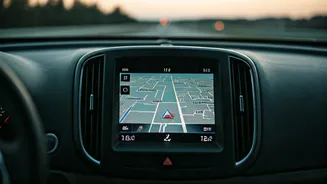
The foundation of a good road alert habit is your smartphone. Navigation apps like Google Maps and the home-grown Mappls are powerful tools for real-time information. Simply enabling the 'traffic' layer on these apps shows you current road conditions using a simple color-coded system: green for clear roads, orange for moderate congestion, and red for heavy traffic. These apps provide proactive alerts for major delays, helping you reroute before you're stuck. Many now also include safety features, with alerts for accident-prone zones, speed cameras, and road hazards like potholes. For instance, Mappls has even piloted live traffic signal countdowns in Bengaluru to help drivers anticipate signal changes. Getting familiar with these features is the first step to a smarter journey.
Creating a Group Communication Cadence
Technology is only effective if it's used consistently. For a group, this means establishing a clear system. Before you even start the engine, assign roles. Designate a 'navigator' for each car whose job is to monitor the map and communicate updates. The rest of the group should minimise distracting the driver. Create a dedicated group chat on a platform like WhatsApp for all trip-related communication. This channel should be used for important updates only, such as upcoming turns, planned stops, or necessary detours. Agree on a check-in cadence. For example, the navigator could provide a brief update every hour or at every rest stop, keeping everyone informed about the road ahead and the estimated time of arrival.
Communicating Changes Without the Chaos
A sudden alert about a two-hour traffic jam or a closed road can cause stress and disagreement within a group. The key is to communicate changes calmly and effectively. When a detour is necessary, the designated navigator should clearly explain the situation and the proposed new route via the group chat. Instead of presenting it as a problem, frame it as a solution: "Heads up everyone, there's a major blockage ahead. The map suggests a detour that adds 20 minutes but keeps us moving. Let's take it." This approach prevents panic and avoids a lengthy debate by the roadside. Having a flexible mindset from the start is crucial; sometimes, unexpected detours lead to the best discoveries.
Beyond Traffic: A Holistic Safety Mindset
An effective road alert habit goes beyond just avoiding traffic. It's about total road awareness. Before setting out, especially on long journeys, do a quick check of weather forecasts. Heavy rain can drastically increase stopping distances and reduce visibility, while fog in hilly areas can appear suddenly. Also, be mindful of driver fatigue, which is a major risk on long highway stretches. Plan to take a 15-minute break every two hours to rest and refresh. If possible, avoid driving at night when visibility is poor and hazards like unlit vehicles or animals on the road are more common. This comprehensive approach to alertness ensures your group is prepared for anything the journey throws at you.