



Why Planning Is Your Best Ingredient
The goal of any great home-cooked gathering is to share delicious food and enjoy the company of your loved ones. Yet, too often, the host is trapped in a cycle of last-minute chopping, frantic stirring, and chaotic oven management. The result? Stress
for the host and a disjointed meal. A well-structured plan for cooking and reheating transforms this experience. It allows you to be present, relaxed, and confident. By deciding the 'what' and 'when' of your menu in advance, you are not just organising tasks; you are creating the space to be a guest at your own party. This strategic approach is the difference between kitchen chaos and culinary calm.
Work Backwards from 'Serve Time'
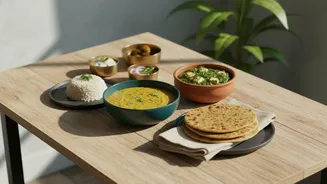
The most effective way to create your cooking order is to work backwards. Start by deciding the exact time you want everyone to sit down and eat. Let's say it's 8 p.m. Now, look at your menu and list every single dish. Next to each dish, write down its total cooking time and whether it needs to be served piping hot or is fine at room temperature. A roast might need an hour in the oven and 20 minutes of resting time. Dal needs to be simmered and tadka added at the last minute. Roti or naan must be made fresh. Working backwards from 8 p.m., you can plot exactly when each task needs to start. This creates a step-by-step roadmap for your day.
The Heroes: What to Make Ahead
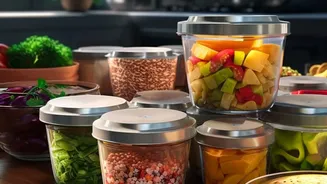
Your best friends when hosting are dishes that taste just as good, or even better, when made in advance. Many Indian gravies for dishes like chicken korma or paneer butter masala develop deeper flavours when left to sit for a day. Dals can be fully cooked and stored in the fridge. Marinades for meats or paneer should always be done the day before. Even chopping can be a make-ahead task. Onions, garlic, ginger, and most firm vegetables can be prepped, chopped, and stored in airtight containers in the refrigerator a day ahead. Desserts like cheesecakes, puddings, or kheer are also perfect candidates for being prepared one to two days in advance.
Day-Of Stars: What to Cook Fresh
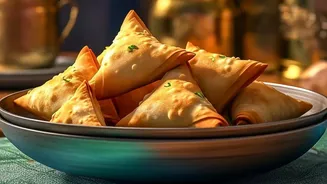
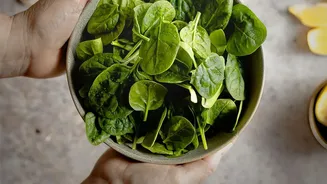
Not everything can be made ahead. The key is to identify the few items that truly need to be cooked just before serving and build your timeline around them. Breads like rotis, parathas, or puris fall into this category. Rice is always best when freshly steamed. Any fried items, like pakoras or samosas, should be fried at the last minute for maximum crispiness. Salads and raitas should also be assembled close to serving time to ensure vegetables are crisp and the yogurt is fresh. Items that require a final, quick cooking stage—like adding a tadka to dal or stir-frying pre-chopped vegetables—are also day-of tasks.
The Artful Science of Reheating
Reheating is not just about making food hot; it's about bringing it back to life without sacrificing texture or flavour. Avoid the microwave for everything. While great for some things, it can make breads rubbery and meats dry. Gravies and dals are best reheated gently on the stovetop, adding a splash of water or broth to loosen them. Casseroles, bakes, and roasted items reheat beautifully in a low-temperature oven (around 160°C), covered with foil to prevent drying out. For rice, the best method is often steaming it or covering it with a damp paper towel before a short burst in the microwave to reintroduce moisture.