




The Final Pandemic Hurdles Are Gone
Remember the pre-flight checklist that was longer than your packing list? Vaccine proofs, negative test results within a 72-hour window, passenger locator forms, and country-specific health apps have almost entirely vanished. For the first time since
2019, planning a trip to major destinations like Japan, Australia, and nearly all of Europe feels… normal. You no longer have to worry that a last-minute policy change will derail your plans or that you’ll be denied boarding over a paperwork error. This return to predictability is arguably the single biggest factor making travel easier. The mental energy once spent navigating complex health protocols can now be redirected to what matters: deciding which museum or restaurant to visit first. The risk and anxiety have been replaced by simple, pre-pandemic-style logistics.
Your Dollar Is a Superpower
While inflation is a concern at home, the strength of the U.S. dollar against many foreign currencies provides a significant, automatic discount on your travels. For American travelers, this is one of the best silver linings of the current economic climate. A strong dollar means your money simply goes further once you’re on the ground. That hotel in Rome, train ticket across Switzerland, or multi-course dinner in Tokyo costs you effectively 10-20% less than it might have a few years ago. This isn't a coupon you have to clip; it's a built-in advantage that can either help you stick to a tighter budget or upgrade your experience. You can afford a nicer hotel, an extra excursion, or simply enjoy your trip with less financial stress. When your currency is strong, the world effectively goes on sale.
Smarter Tech Eliminates Old Frustrations
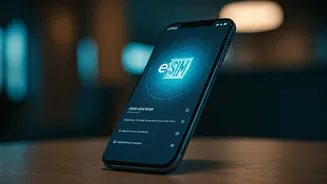
The smartphone has always been a traveler's friend, but a new generation of hyper-specific apps has solved some of the most persistent travel headaches. Chief among them is staying connected. Instead of hunting for a local SIM card shop upon arrival, apps like Airalo and Holafly allow you to download an affordable eSIM for your destination before you even leave home. You’ll have data the moment the plane lands. The language barrier is also crumbling faster than ever. Apps like Google Translate now use your camera (via Google Lens) for instant, augmented-reality translation of menus, signs, and documents. It feels like science fiction, allowing you to navigate a foreign supermarket or restaurant menu with complete confidence. These tools don't just add convenience; they foster independence and reduce the friction of being in an unfamiliar place.
Border Crossings Are Finally Getting Faster
Few things drain the joy from a trip like a two-hour customs line after a long-haul flight. Thankfully, technology and new programs are speeding up the process on both ends of your journey. Coming home to the U.S., the free Mobile Passport Control (MPC) app is a game-changer. It allows you to submit your customs declaration and passport info from your phone, giving you access to a much shorter, dedicated line at dozens of U.S. airports. It’s often faster than Global Entry, and it costs nothing. Abroad, many countries are also implementing automated e-gates for U.S. passport holders, particularly in Europe and Asia. Instead of waiting to speak with an agent, you simply scan your passport, look into a camera, and walk through. These systems reduce wait times from hours to minutes, getting your vacation started sooner and your return home less stressful.
The 'Work-From-Anywhere' Dream Is Now a Reality
The remote work revolution has opened up a new, easier way to travel for longer periods. Recognizing this trend, more than 50 countries have launched “digital nomad” visas specifically for Americans who can work from a laptop. These visas simplify the process of staying in a country for six months or a year, something that used to require navigating a complex and uncertain immigration bureaucracy. Countries from Portugal and Spain to Costa Rica and Colombia are now actively courting remote workers. This makes the idea of a “work-cation”—spending a month or more living in a different culture without taking vacation time—a legitimate and accessible option for a huge number of people. It’s a fundamental shift that redefines what a 'trip' can be.