






Understanding the Gold Standard
In India, gold isn't just a metal; it's a cornerstone of financial security, tradition, and emotion. To protect consumers, the Bureau of Indian Standards (BIS) established a mandatory hallmarking system. A genuine hallmark currently has three marks: the triangular
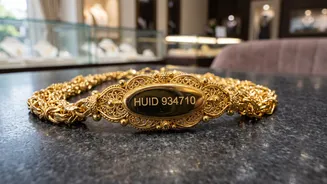
BIS logo, the purity grade (like 22K916, indicating 91.6% pure gold), and a six-digit alphanumeric Hallmark Unique Identification (HUID) code. This system is designed to guarantee that the gold you buy is exactly as pure as the jeweller claims. It’s a chain of trust, starting from the jeweller and verified by BIS-recognised Assaying and Hallmarking Centres (AHCs) where the items are tested and certified.
The Auditor's Alarming Discoveries
The latest draft report from the CAG, India's top audit body, has exposed significant weaknesses in this chain of trust. It found that the BIS failed to conduct its mandatory annual inspections on a vast majority of registered jewellers. In the 2024-25 financial year, a staggering 81% of licensed jewellers were not inspected. This wasn't a one-off issue; the report notes that over the last five years, more than 80% of jewellers consistently missed their annual surveillance audits. This means a large part of the hallmarking ecosystem has been operating without routine scrutiny from the regulatory body.
Gaps at the Testing Centres
The problem isn't just at the retail level. The CAG also flagged serious shortfalls in the monitoring of the AHCs—the very labs responsible for testing and certifying gold purity. According to the findings, the BIS missed its surveillance targets for these crucial centres by nearly 44%. This raises a critical question: if the watchdogs themselves aren't being watched, how reliable is the certification process? The BIS cited staff shortages and difficulties in collecting samples from remote locations as reasons for the lapses, but the CAG reportedly found these explanations inadequate.
What This Means for You, the Consumer
These audit findings do not prove that your hallmarked jewellery is impure. However, they reveal a significant regulatory gap that could be exploited. The lack of inspections means that non-compliance, whether intentional or accidental, could go undetected for years. The integrity of the HUID system, which allows for traceability, is weakened when physical verification and sample collection are not performed regularly. Compounding these concerns, a separate media investigation in Rajasthan showed that gold adulterated with a heavy metal called rhenium could potentially pass some common purity tests and even receive a 22-karat hallmark, highlighting technological vulnerabilities in the system.
How to Protect Your Purchase
In light of these findings, consumer vigilance is more important than ever. The HUID code remains a powerful tool. When buying gold, insist that the jeweller shows you the three hallmark signs. Use the 'Verify HUID' feature on the official BIS CARE mobile app to cross-check the details of the ornament, including the jeweller who registered it, the AHC that certified it, and its purity. The app's details should match the piece of jewellery and your purchase invoice. If you have serious doubts about an item, you can also get it tested at a BIS-recognised AHC for a nominal fee. Always insist on a proper, itemised bill, as it is your primary proof of purchase.