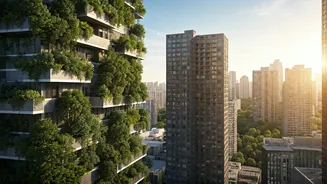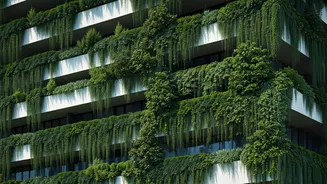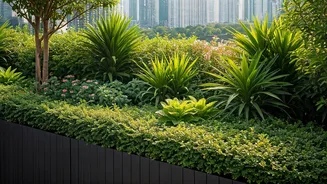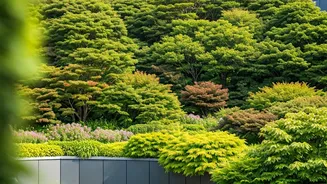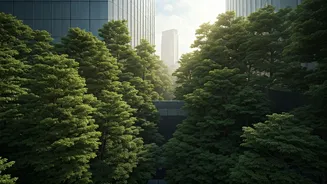








From Rooftop Garden to Urban Forest
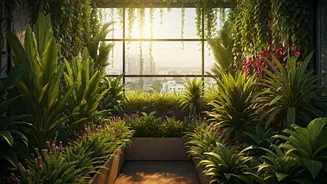
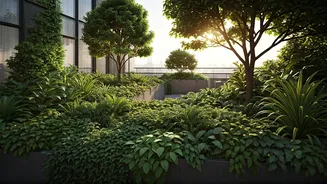
A terrace forest is more than just a collection of potted plants. It's a carefully designed ecosystem created on a rooftop, often using the Miyawaki technique of afforestation. [18] This method involves planting a dense mix of native trees and shrubs
in close proximity—as many as three to five saplings per square metre. [24] This density encourages the plants to compete for sunlight, leading to rapid vertical growth. [24] Unlike a manicured garden, the goal is to replicate the multi-layered structure of a natural forest, with a canopy, sub-canopy, and shrub layers. [16, 20] The process begins with preparing the soil by enriching it with organic compost and materials that improve water retention, which is crucial for a rooftop environment. [16] The result is a self-sustaining ecosystem that can mature in just a few years, transforming a barren concrete slab into a vibrant green space. [18, 22]
An Antidote to the Urban Heat Island
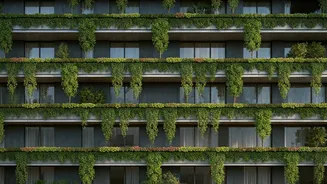
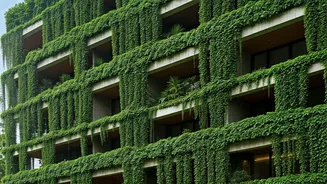
One of the most significant benefits of terrace forests is their ability to combat the urban heat island effect, where cities are significantly hotter than surrounding rural areas. [8, 10] In Indian cities like Delhi and Bengaluru, summer temperatures can be brutal, and green infrastructure offers a vital cooling solution. [8] Studies show that green spaces can lower local ambient temperatures by 2–8°C through shade and a process called evapotranspiration, where plants release water vapour into the air. [27] A Bengaluru engineer who created a 600-square-foot rainforest on his roof reported a temperature drop of 3 to 4 degrees Celsius on his terrace. [15, 23] These rooftop ecosystems also act as natural air purifiers, filtering dust and pollutants, and they help manage stormwater runoff by absorbing rainwater, which reduces the burden on city drainage systems. [3, 9, 21]
Bringing Biodiversity Back to the Skies
Terrace forests create crucial habitats for urban wildlife. By planting native species, these rooftop jungles attract local birds, bees, butterflies, and other insects, restoring a small piece of the region's natural biodiversity. [11, 13] In Delhi, one 23-year-old's terrace forest, with over 500 native plants, now attracts more than 200 bird species and 25 butterfly species. [14, 19] These green patches act as vital stepping stones or "ecological corridors," allowing wildlife to move between larger green spaces like parks. [13, 28] For city dwellers, the benefits are also personal, providing a space for mental well-being, reducing noise pollution, and offering a direct connection to nature amidst the urban chaos. [3, 21]
The Practical Hurdles and Path Forward
Creating a forest on a roof is not without its challenges. The first major consideration is structural load—the building must be able to support the weight of the soil, plants, and retained water. [26] Concrete roof decks are often preferred for this reason. [26] Another critical element is waterproofing. An effective, root-resistant waterproofing membrane is essential to prevent leaks and protect the building's structural integrity from moisture damage and plant roots. [30, 31, 32] Proper drainage systems are also necessary to manage excess water and prevent overloading. [30] While the initial setup can be costly and require expert consultation, the long-term benefits—from energy savings on cooling to improved public health—present a compelling case. [8, 26] As more individuals and communities in cities like Bengaluru and Delhi demonstrate, with careful planning and engineering, these green dreams can become a reality. [15, 19]