




As intense monsoon rains increasingly overwhelm city drains, a surprising solution is gaining ground. Urban wetlands, often overlooked, are powerful, natural tools that can protect our cities from devastating and costly floods.
Nature's Sponges in the City
When you picture a wetland,
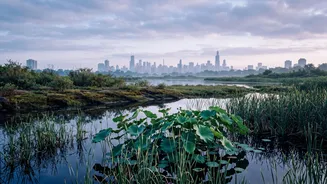
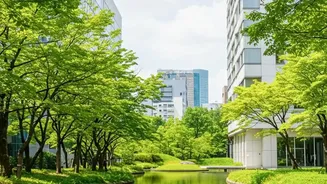
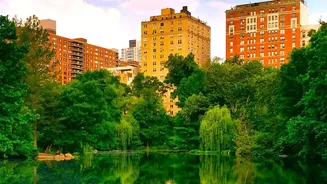
you might think of a swamp far from city limits. But urban wetlands are ecosystems, both natural and constructed, that exist within our urban landscapes. They are not wastelands waiting to be paved over; they are a form of 'green infrastructure' designed to work with nature, not against it. Often called 'nature's kidneys' or 'natural sponges', these areas are specifically preserved or engineered to absorb, store, and slowly release large amounts of rainwater. Instead of water rushing over concrete and into already-strained drainage systems, wetlands give it a place to go, slowing it down and allowing it to soak into the ground.
How a Wetland Stops a Flood
The science is elegantly simple. During a heavy downpour, hard surfaces like roads and buildings cause a massive volume of runoff to surge into drains almost instantly, leading to overflows. An urban wetland intercepts this process. Its vegetation and soil act like a giant sponge, trapping rainwater and holding it. This significantly reduces the peak flow of water entering the conventional 'grey infrastructure' of pipes and drains. Studies show that restored wetlands can reduce peak streamflow and significantly lower the occurrence of flood-level events in cities. By slowing and storing water, they prevent the sudden deluge that causes waterlogging and protects homes and infrastructure from damage.
A Solution Tailor-Made for Indian Cities
For Indian cities like Mumbai, Chennai, and Bengaluru, which face annual battles with urban flooding, this nature-based solution is particularly relevant. The East Kolkata Wetlands, a 12,500-hectare ecosystem, is a prime example, naturally protecting Kolkata by absorbing excess rainwater. In Chennai, which has lost a vast majority of its natural wetland cover to urbanisation since 1980, the city is now pioneering a 'Sponge City' initiative. This includes projects like the M.S. Swaminathan Wetland Eco Park, which has transformed a former dumping ground into a functional 'sponge park' to build flood resilience. The eco-restoration of Sembakkam Lake is another Chennai project designed to improve water storage and mitigate floods.
More Than Just Flood Control
The benefits of urban wetlands extend far beyond managing floods. They are incredibly effective at filtering pollutants from stormwater, naturally cleaning the water before it enters rivers or recharges groundwater. These areas also become vital habitats for biodiversity, supporting various plant and animal species, including migratory birds, right in the middle of a city. Furthermore, they help combat the 'urban heat island' effect by cooling the surrounding environment and provide invaluable green spaces for communities, improving both mental and physical well-being.
The Challenge of Building with Nature
Despite the clear advantages, implementing urban wetlands is not without challenges. In densely packed cities, acquiring the necessary land can be difficult and expensive. There's also a need for a significant shift in urban planning, moving away from a reliance on concrete-only solutions and towards integrating this 'blue-green' infrastructure into development plans. Community buyin and effective governance are crucial, as wetlands are often undervalued or seen as impediments to development. However, as the costs of flood damage continue to rise, investing in these natural systems is proving to be a costeffective strategy for longterm urban resilience.