
A Fragile Paradise
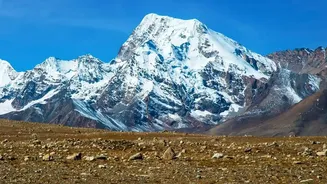
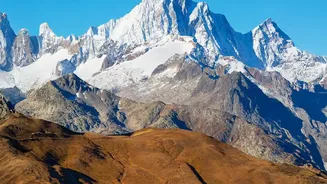
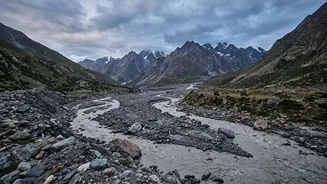
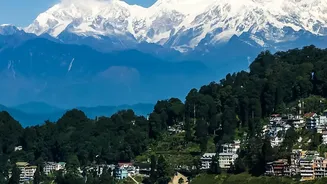
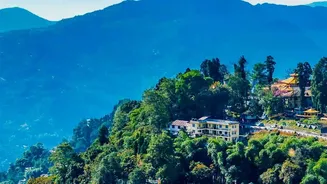
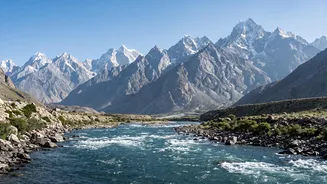
For decades, the allure of the Himalayas has been constant. Trekkers and climbers have planned their expeditions around predictable seasons and well-trodden paths, seeking the unparalleled beauty of peaks like Everest and Annapurna. This timeless landscape,
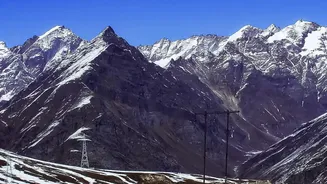
however, is proving to be anything but. The Himalayan region is warming at nearly twice the global average, a change that is not just altering the scenery but fundamentally rewriting the rules of safety and survival in the high mountains. What were once considered stable, reliable routes are becoming increasingly hazardous, and the very ground beneathfoot is no longer as solid as it once was. The romantic image of pristine, snow-covered peaks is being replaced by a more complex and volatile reality that demands a new level of awareness from travellers.
The Science of a Shifting Landscape
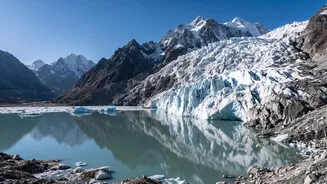
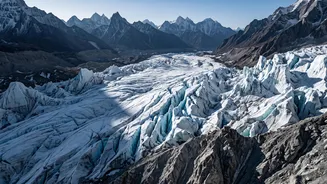
The primary driver of these new risks is climate change, which manifests in several critical ways. First, glaciers are melting at an accelerated rate. This rapid thaw creates and expands massive glacial lakes, which are often held back by unstable natural dams of rock and ice. Second, permafrost—the permanently frozen ground that acts like a natural cement holding steep slopes together—is beginning to thaw. As this frozen glue weakens, entire sections of mountains can become dangerously unstable. Finally, weather patterns are becoming increasingly erratic. Monsoons may arrive earlier or last longer than expected, and freak snowstorms or intense rainfall can occur outside of their traditional seasons, catching even experienced adventurers off guard.
The New Dangers on the Trail
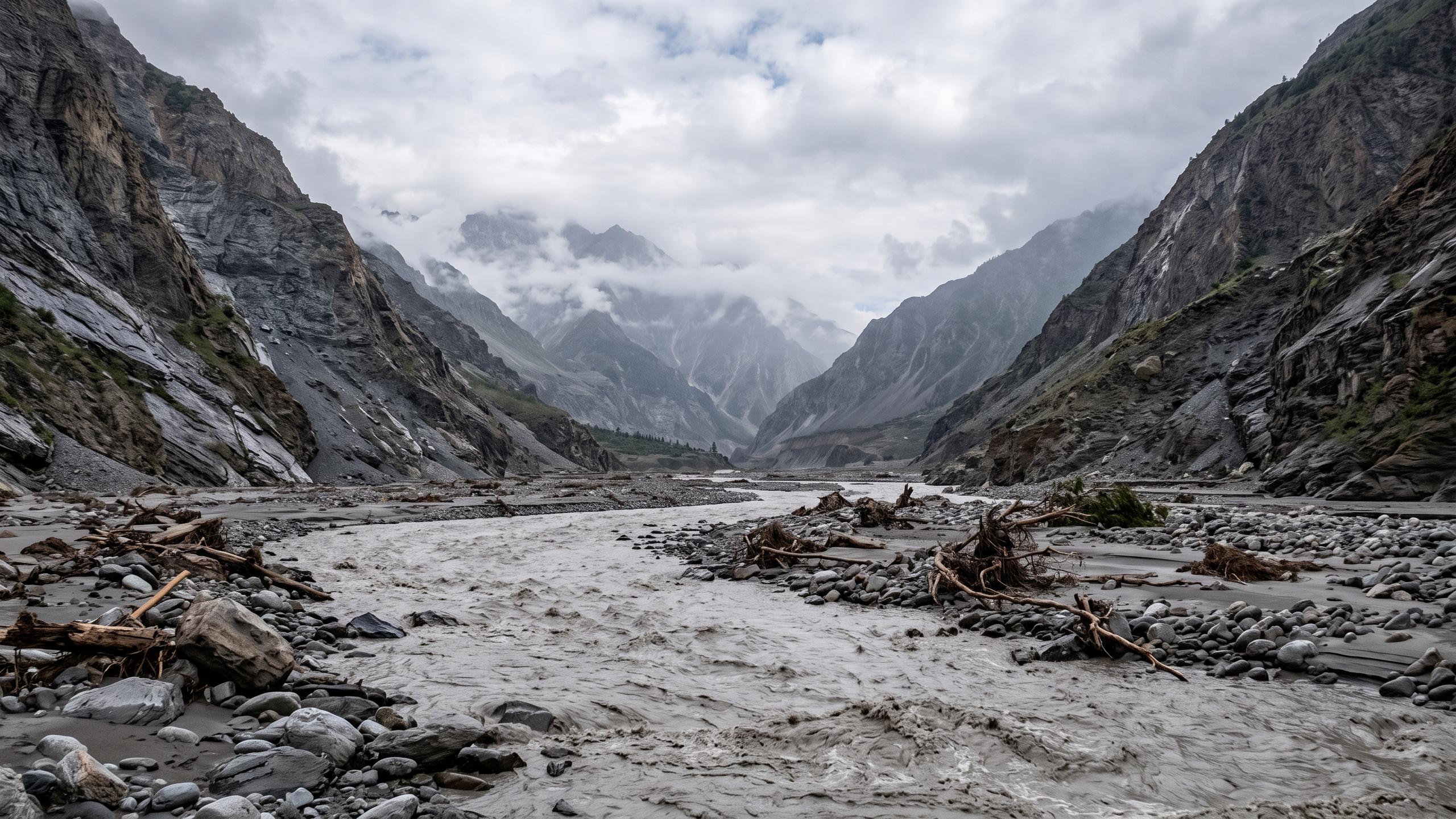
These environmental changes translate directly into life-threatening hazards. The most dramatic risk is the Glacial Lake Outburst Flood, or GLOF. When a glacial lake's natural dam fails, it can release a devastating wall of water, mud, and boulders downstream, destroying villages, bridges, and trekking routes in minutes. A catastrophic flood on the Nepal-China border in late August 2026 served as a terrifying reminder of this threat. Beyond GLOFs, the thawing permafrost has led to a marked increase in rockfalls and landslides, which can make previously safe trails impassable. Avalanche patterns have also changed; contrary to intuition, warming can lead to more frequent and more destructive "wet snow" avalanches, which can occur even in what were once considered safe climbing seasons.
An Unpredictable Calendar
The established trekking seasons—typically spring and autumn—are no longer the reliable guides they once were. The shifting monsoon can bring heavy rain and slippery, dangerous trails well into the ideal trekking months of October and November. This unpredictability makes planning a trip far more challenging. An itinerary that was safe five years ago may now be exposed to new risks. Trekkers might find their routes blocked by landslides or face weather conditions they are unprepared for. This has led to a convergence of climbers and trekkers into ever-shrinking windows of perceived safety, putting more pressure on popular trails. The old wisdom of simply picking the right month to travel is becoming obsolete; flexibility and real-time information are now paramount.
How to Travel in the New Reality
While the risks are evolving, it does not mean the Himalayas are off-limits. It does, however, require a significant shift in mindset and preparation. The most crucial step is to travel with reputable, experienced local guides and tour operators who possess up-to-the-minute knowledge of trail conditions. Be prepared to change your plans; a rigid itinerary is a liability when the environment is this dynamic. Build extra days into your schedule to account for potential delays from weather or trail damage. Furthermore, ensure your travel insurance explicitly covers high-altitude trekking and emergency evacuation. Finally, pay close attention to local advice. The Sherpas and guides who live in these mountains are witnessing these changes firsthand, and their warnings and guidance are the single most valuable safety tool you can have.