

Art Beyond Gallery Walls
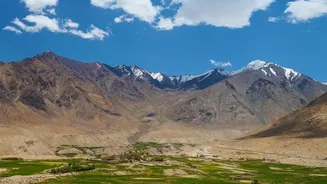
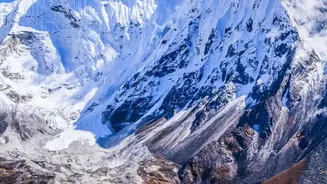
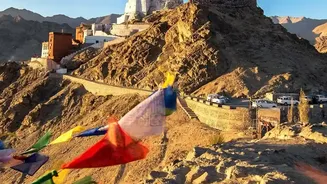
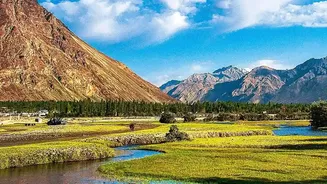
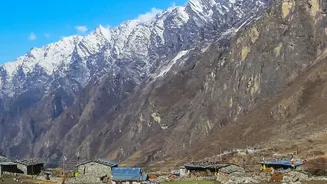
Imagine trekking through the Himalayas, where the gallery is not a building but the vast, open landscape itself. This is the experience offered by the sā Ladakh biennale, an ambitious art project transforming a 200-kilometre path from Leh to Kargil into
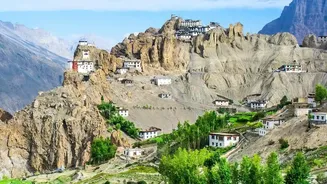
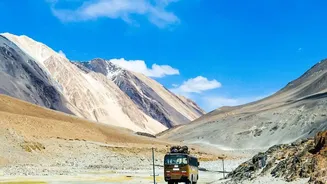
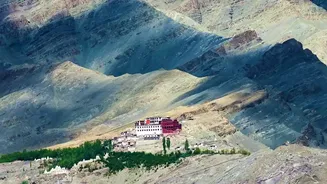
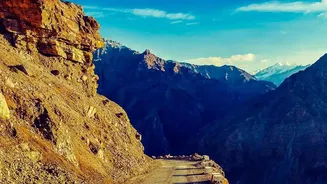
an extraordinary outdoor art walk. Taking place in August 2026, this event is being called the world's highest regenerative art biennale. Instead of concentrating art in one place, installations are thoughtfully placed in eight locations, including Leh, Lamayuru, Basgo, and Kargil, encouraging visitors to journey through the region’s stunning terrain. The artworks are not just placed in the landscape; they are designed to be an integral part of it, creating a dialogue between human creativity and the immense natural beauty of the Himalayas.
Creativity with a Conscience
The philosophy behind the art trail is as powerful as the scenery. The name 'sā' comes from the Ladakhi word for 'soil', grounding the project in a deep respect for the land. This is a 'regenerative' art event, meaning it aims to do more than just minimize its environmental footprint. Artists from Ladakh, other parts of India, and across the globe have created works using locally sourced, biodegradable, and recycled materials. The installations explore themes of sustainability, ecology, and the profound connection between Ladakh's communities and their environment. This approach directly counters the waste and pollution problems that have accompanied the rise of conventional tourism in the region, offering a model of creativity that heals rather than harms.
A New Path for Tourism
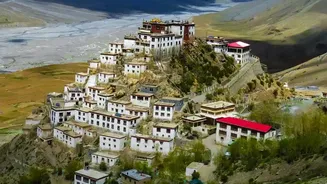
For years, experts and local communities have raised concerns about the impact of overtourism on Ladakh's delicate ecosystem, from water scarcity to pollution. The art biennale presents a compelling alternative. By design, it encourages slower, more intentional travel. The journey between the eight sites, set at altitudes over 3,000 metres, invites visitors to immerse themselves in the region’s cultural heritage, not just its famous photo spots. The trail winds through historically significant destinations, past ancient monasteries and into remote villages, offering a deeper engagement with Ladakhi life. This model aligns with a growing movement within Ladakh to promote sustainable practices, like eco-friendly homestays and community-led initiatives, that ensure tourism benefits local people without destroying the environment they depend on.
How to Experience the Trail
The biennale runs from August 1 to 10, 2026, and is free for all visitors, though registration is required beforehand. Organizers stress the importance of acclimatization, advising travellers to spend at least 48 hours in Leh to adjust to the high altitude before exploring the trail. The experience is about more than just viewing art; it's an active journey. Visitors will move through stunning landscapes where wind, rock, and sky become part of how each work is encountered. The event will also feature workshops and community-led projects, extending the experience beyond a simple exhibition into a living cultural ecosystem. This initiative proves that tourism can be a force for good, fostering a connection between people, nature, and tradition in one of the world's most breathtaking settings.