




The Deceptive ‘Health Halo’
Lassi, shikanji, aam panna. These names evoke a sense of purity and tradition. Made from ingredients like yoghurt, lemon, and raw mango, we naturally place them in the ‘healthy’ category. Unlike processed soft drinks, they contain vitamins, probiotics,
and minerals. This perception creates a “health halo,” leading us to believe we can consume them without a second thought. We see them as a guilt-free indulgence, a refreshing antidote to both the heat and the artificiality of modern packaged drinks. But the line between a traditional, nutritious beverage and a modern dessert-in-a-glass has become dangerously blurred.
The Shocking Sugar Numbers
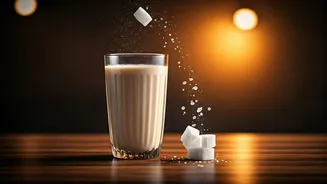
The reality check comes when you measure the sugar. A single glass of sweet lassi from a market vendor or restaurant can contain anywhere from 25 to 50 grams of sugar. To put that in perspective, the World Health Organization (WHO) recommends an adult’s daily intake of ‘free sugars’ be no more than 25 grams (about 6 teaspoons) for optimal health benefits. This means one single glass of lassi can wipe out your entire day’s sugar quota. Packaged fruit juices and lassis are often the worst offenders, with added sugars and syrups used to standardise taste and prolong shelf life. Even a seemingly innocent glass of nimbu pani or shikanji, when bought from a stall, is often loaded with several tablespoons of sugar to appeal to the masses.
Why Added Sugar Is the Real Villain
It is crucial to distinguish between naturally occurring sugars, like lactose in milk, and ‘free sugars’ that are added during preparation. Our bodies process the sugar in a whole fruit, which comes packaged with fibre, differently from a spoon of white sugar stirred into a drink. It’s these added sugars that are linked to a host of health problems, especially when consumed in liquid form. They cause a rapid spike in blood sugar and insulin, and when consumed in excess, the body converts them to fat. This contributes not just to weight gain but also increases the risk of type 2 diabetes, heart disease, and other metabolic issues—conditions that are seeing a worrying rise across India.
How to Spot the Hidden Sweetness
Becoming a sugar detective is easier than you think. For packaged drinks, the nutrition label is your best friend. Look at the ‘Total Sugars’ but pay close attention to the ingredients list. Sugar hides under many names: high-fructose corn syrup, sucrose, dextrose, and fruit juice concentrates. If sugar or one of its aliases is one of the first few ingredients, it’s a red flag. When ordering outside, don’t be afraid to make a request. Asking for a lassi or shikanji with “no sugar” or “less sugar” puts you in control. The initial taste might be different from what you’re used to, but your palate will adjust surprisingly quickly.
Reclaiming Your Favourite Coolers
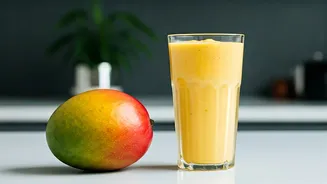
The good news is that you don’t have to give up your favourite summer drinks. The solution is to bring them back home. Making lassi, panna, or jaljeera in your own kitchen gives you complete authority over the ingredients. You can leverage the natural sweetness of fruits like mango, banana, or chikoo in your lassi. A pinch of jaggery or a couple of dates can provide a gentler sweetness than refined sugar. Better yet, rediscover the joy of savoury coolers. A classic salted lassi or a well-spiced glass of chaas (buttermilk) is incredibly hydrating, packed with electrolytes and probiotics, and contains virtually no sugar. These are the true traditional health drinks, and they are just as refreshing.