



An Epic Annual Pilgrimage
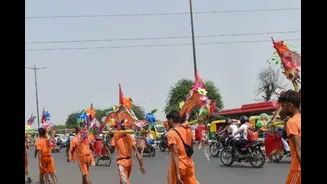
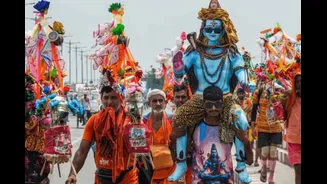
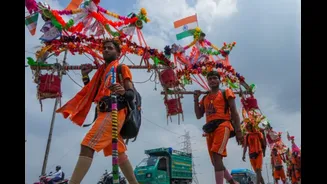
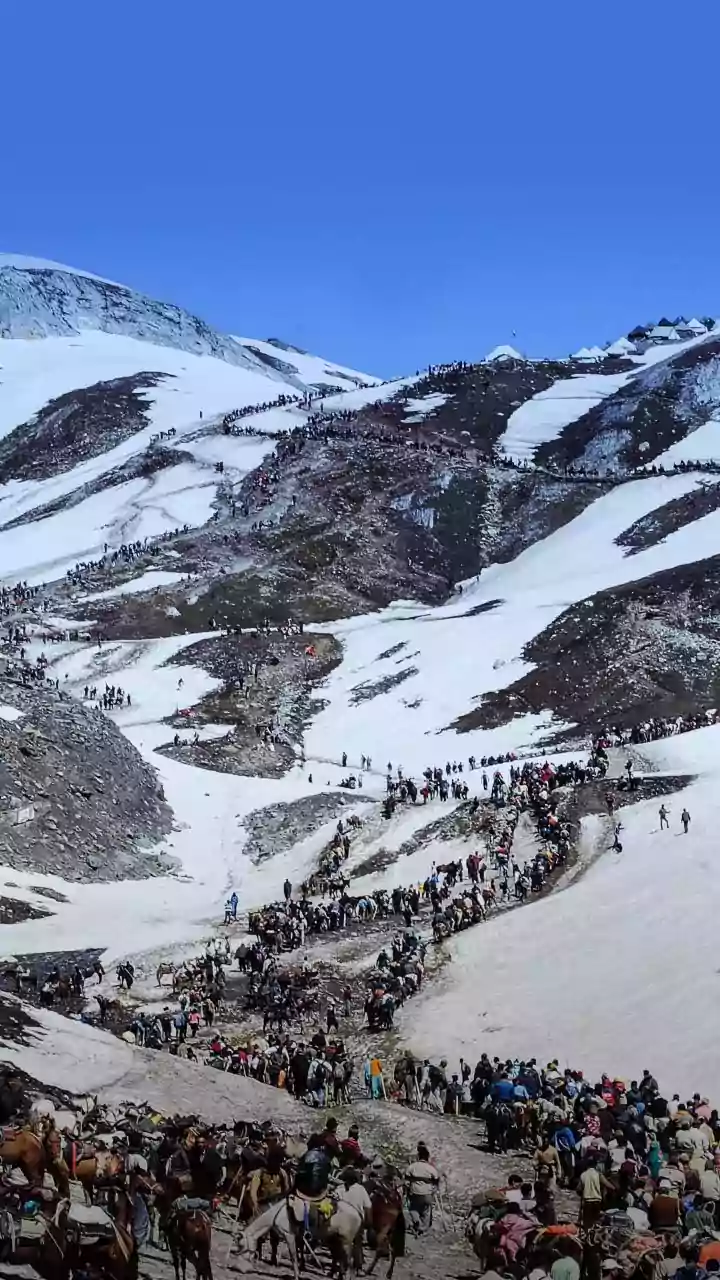
The Kanwar Yatra is one of India's most significant and visually stunning annual pilgrimages. During the auspicious Hindu month of Shravan, millions of devotees, known as Kanwariyas, embark on a journey, often on foot, to pilgrimage sites like Haridwar,
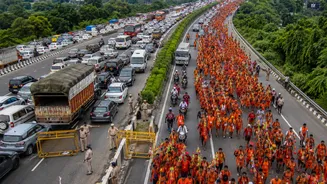
Gaumukh, and Gangotri in Uttarakhand to collect holy water from the Ganges River. Carrying this water in ornate containers, or 'kanwars', they walk for days, sometimes hundreds of kilometres, back to their hometowns to anoint local Shiva temples. This act of devotion is a massive undertaking, not just for the pilgrims, but also for the administrations of the states they travel through, who manage the logistics for this sea of humanity.
The Monsoon Challenge
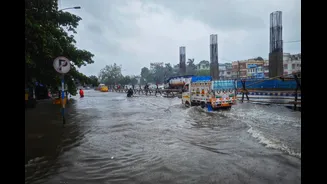
The timing of the Yatra coincides with the peak of the Indian monsoon. While the rains are often seen as a blessing, they pose a formidable challenge. Sudden, heavy downpours can drench pilgrims, who are often walking barefoot and carrying their kanwars. This leads to immense physical discomfort, health risks from exposure, and exhaustion. For event managers and police, the rain creates a logistical nightmare. Crowds huddle together in any available shelter, leading to dangerous overcrowding, disrupting the flow of the procession, and increasing the risk of accidents or stampedes on slippery roads. Managing massive, wet, and tired crowds requires more than just traffic control; it requires empathy.
A Simple, Effective Solution
Enter the 'buffer block'. The term, often used in logistics and computing, has been adapted by authorities to describe strategically placed holding areas or temporary camps along the pilgrimage routes. These are not merely bus stops or rest points; they are designated zones designed to absorb large numbers of people, especially during adverse weather. In places like Meerut and along the major Yatra highways, officials have established these temporary facilities. When heavy rain begins, pilgrims can be directed into these covered spaces, removing them from the main thoroughfares and giving them a safe place to wait out the storm.
More Than Just Staying Dry
The headline's observation gets to the heart of why these buffer blocks are so important. They give people time to change into dry clothes, a simple act that can prevent illness and boost morale. It provides a space to tend to sore feet, have a warm drink from a nearby camp, and mentally and physically 'regroup' before continuing the arduous journey. This brief respite reduces stress and fatigue, which are major contributing factors to health emergencies and crowd-related incidents. It transforms a moment of potential crisis—a sudden downpour—into a managed, orderly pause, ensuring the safety and well-being of the Kanwariyas.
A Coordinated Administrative Effort
Implementing buffer blocks is a testament to proactive and coordinated governance. It requires close collaboration between various departments, including police, district administration, disaster management teams, and health services. Extensive traffic diversion plans are put in place across western Uttar Pradesh and Uttarakhand to manage the flow of both pilgrims and regular traffic. Senior police officials in key districts like Haridwar and Meerut have emphasized round-the-clock surveillance and deploying personnel specifically to manage these zones. This move shows a shift from reactive crowd control to proactive crowd care, acknowledging that providing basic comforts is an essential part of ensuring safety at such a large scale.