








The New Digital Ingredient
For decades, Indian street food has been a cash-only, hyper-local affair. You paid a few rupees for your pani puri or vada pav and went on your way. But the single biggest catalyst for the recent sales explosion isn’t a new spice blend—it’s technology.
Specifically, India's Unified Payments Interface (UPI), a government-backed instant payment system. Walk up to almost any street vendor today, from a tiny tea stall to a bustling biryani cart, and you’ll likely see a small QR code taped to the counter. This simple square allows customers to pay instantly from their phones, eliminating the need for exact change and, more importantly, bringing millions of informal vendors into the digital economy. This isn't just a convenience; it's a revolution. It formalizes transactions, builds a financial history for vendors who were previously unbanked, and opens the door to small business loans and expansion opportunities that were once unimaginable.
Delivery Apps Join the Fray
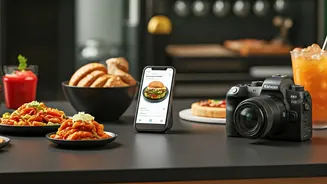
While digital payments laid the groundwork, food delivery giants like Zomato and Swiggy threw gasoline on the fire. Initially focused on established restaurants, these platforms have aggressively onboarded thousands of street food vendors. Suddenly, a beloved local chaat-wala (snack vendor) isn't limited to customers within a two-block radius. Their market is the entire city. Reports from these platforms show a staggering surge in orders for classic street fare. Zomato, for instance, noted in a trend report that it delivered millions of plates of samosas and momos, items once sold almost exclusively offline. This has created a virtuous cycle: vendors gain access to a massive new customer base, consumers get their favorite street eats delivered to their doorstep, and the platforms expand their market share by tapping into one of India’s most authentic culinary traditions. It’s a tech-driven disruption of a centuries-old business model.
A Post-Pandemic Appetite
The COVID-19 pandemic, which could have decimated the street food industry, paradoxically became another accelerator. While initial lockdowns were brutal, the aftermath sparked a fundamental shift in consumer behavior. Firstly, there was an element of “revenge eating,” with people desperate to reconnect with the comfort foods they missed. But they returned with a newfound, and lasting, concern for hygiene. Vendors who adapted by visibly improving their sanitation standards—using gloves, cleaner water, and packaged ingredients—thrived. The combination of digital ordering and a perception of improved safety made consumers feel more secure. Many vendors now brand themselves on delivery apps with tags like “hygienically prepared,” turning a potential weakness into a marketing strength and capturing a segment of the market that may have previously been hesitant to indulge.
From Informal Hustle to Big Business
The result of these converging trends is the gradual formalization of a massive, previously unorganized sector. The street food vendor is no longer just a solo entrepreneur; they are the CEO of a micro-enterprise. Successful vendors are using their increased, digitally-tracked revenue to expand. Some are opening second and third carts, creating miniature chains. Others are launching “cloud kitchens”—delivery-only operations that focus exclusively on producing high-demand street food items for online orders. This professionalization is attracting a new kind of investor and entrepreneur who sees street food not just as a cultural staple, but as a scalable business model with enormous potential in a country of 1.4 billion people. What was once a survival-based hustle is now being viewed as a key pillar of India's burgeoning food service industry.