


A Different Rajasthan Emerges
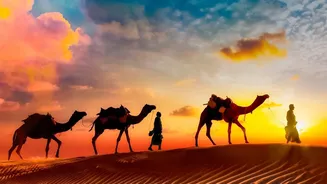
For years, the peak tourist season in Rajasthan has been the winter, from October to March. The scorching summer months were best avoided. The monsoon, from July to September, was often seen as a shoulder season, a quiet period before the crowds returned.
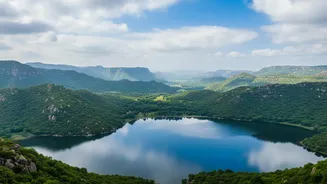
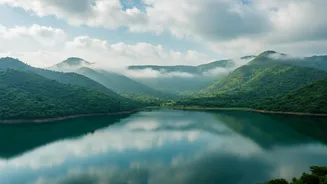
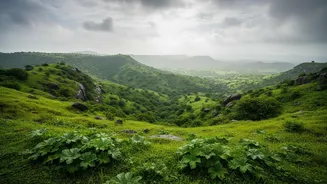
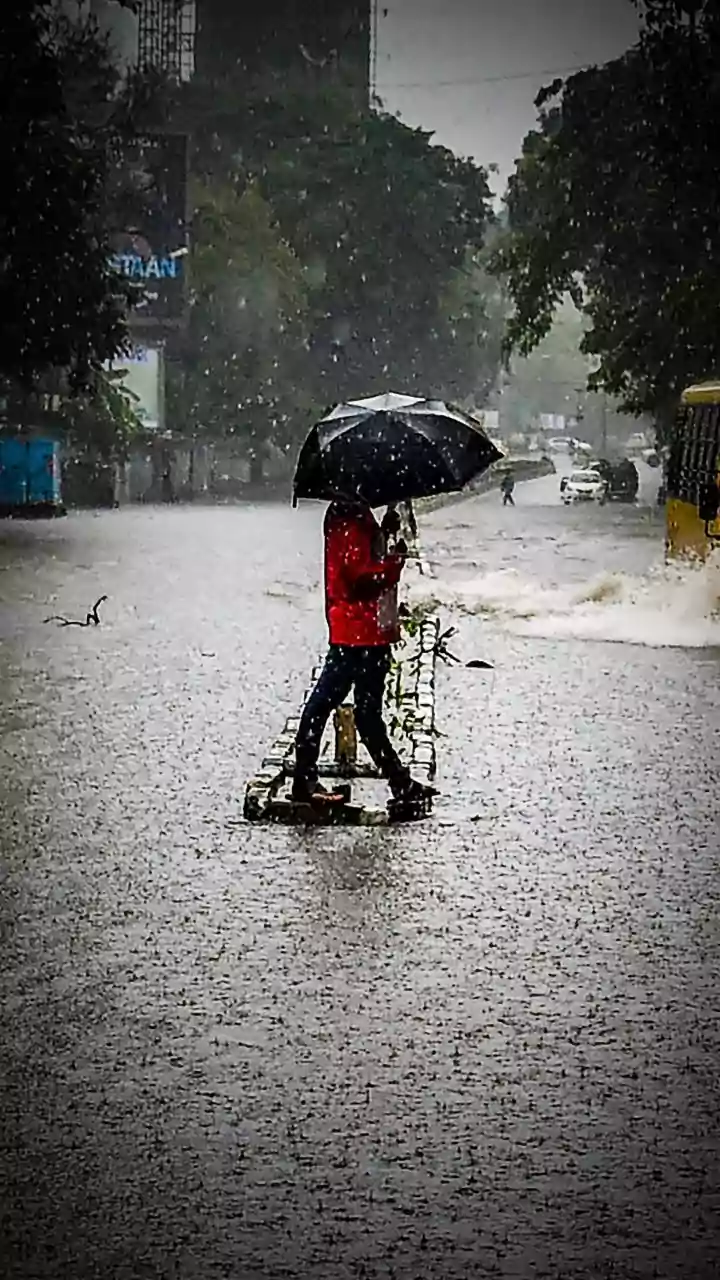
But that perception is rapidly changing. Recent trends show a significant surge in monsoon travel, with domestic tourists in particular flocking to witness the state's remarkable transformation. The rains wash away the desert dust, turning the arid landscape into a vibrant green canvas and making the weather far more pleasant for exploring.
Udaipur: The Heart of the Monsoon Glow
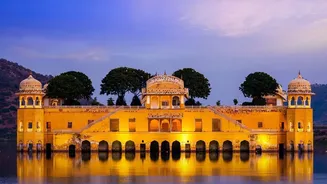
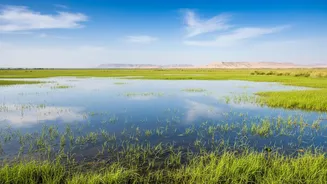
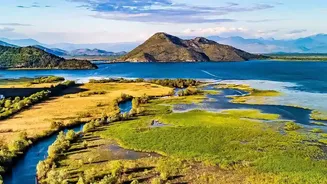
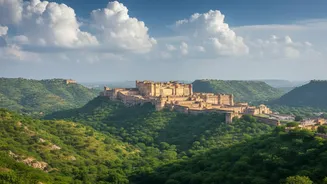
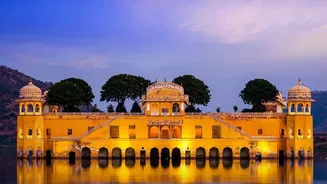
Udaipur, the famed 'City of Lakes', has become the epicentre of this monsoon travel boom. During the rains, its lakes, including Lake Pichola and Fateh Sagar Lake, fill to the brim, perfectly reflecting the historic palaces and surrounding Aravalli Hills. The hills themselves shed their brown summer coat for a thick blanket of green, creating scenery more commonly associated with a hill station than a desert state. The Sajjangarh Fort, aptly nicknamed the Monsoon Palace, offers panoramic views of the rain clouds rolling over the city, making it a must-visit spot. This seasonal beauty, combined with cooler temperatures, has made Udaipur a magnet for travellers seeking a romantic and refreshing getaway.
Beyond the City of Lakes
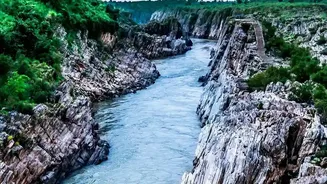
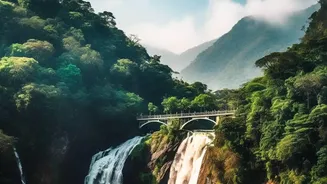
While Udaipur leads the charge, the trend extends across southern and eastern Rajasthan. Mount Abu, the state's only hill station, becomes a misty, green retreat with pleasant weather and active waterfalls. Lesser-known gems are also gaining popularity. Bundi, the 'City of Stepwells', becomes exceptionally beautiful as its ancient baoris and lakes are rejuvenated by the rain. Banswara, nicknamed the 'City of a Hundred Islands' due to the small islands in the Mahi River, offers landscapes that feel more like the Western Ghats than Rajasthan during monsoon. Other destinations drawing increasing numbers of visitors include Kumbhalgarh, with its majestic fort shrouded in clouds, and Chittorgarh.
What's Driving the Green Rush?
Several factors are fuelling this shift towards monsoon tourism. A growing number of domestic travellers are seeking accessible, nature-based holidays. The dramatic, green transformation of Rajasthan, heavily showcased on social media, has piqued the interest of a new generation of explorers. Improved infrastructure, including better highways and air connectivity, has made weekend trips and short getaways much easier to plan. Travel experts note this trend as a form of 'green tourism', where visitors are keen to see the state come alive in its purest form. Furthermore, the monsoon season often comes with the added benefits of fewer crowds and better deals on accommodation compared to the peak winter season.
A New Tourism Calendar
This monsoon surge is a significant development for Rajasthan's tourism industry, which contributes substantially to the state's economy. It helps extend the tourist season, providing a boost to the hospitality industry during what was traditionally a quieter period. The shift challenges the long-held stereotype of Rajasthan as solely a desert destination, broadening its appeal and highlighting its ecological diversity. By showcasing its verdant monsoon landscapes, from wildlife sanctuaries like Sariska and Ranthambore (whose buffer zones remain open) to the serene lakes of Udaipur, Rajasthan is successfully crafting a new, year-round narrative for itself.