


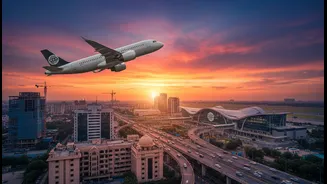




A Gateway Transformed
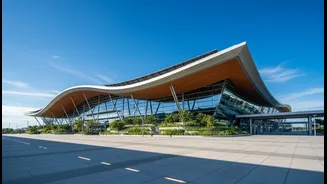
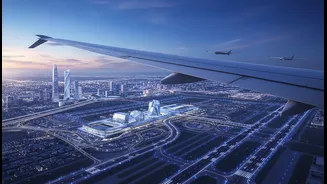
Inaugurated in late 2025 and operational since February 2026, the new integrated terminal is a massive step up for regional infrastructure. With the capacity to handle over 13 million passengers annually, it was designed to solve the long-standing issue
of congestion at one of India's busiest non-metro airports. The design itself is a talking point, conceived as India's first nature-themed terminal. It draws heavy inspiration from Assam's biodiversity, featuring bamboo architecture, motifs of the foxtail orchid (kopou phool), and even an indoor 'Sky Forest' with local plants to create a serene environment. This isn't just a bigger building; it's a statement about the Northeast's growing importance and cultural pride.
For the Everyday Indian Traveller
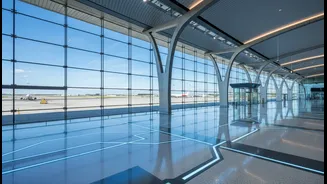
For the average flyer from Delhi, Mumbai, or Bengaluru, the most immediate change is a smoother, more comfortable journey. The new terminal addresses previous capacity issues, which means less crowding and quicker processing times. Modern features like DigiYatra-enabled gates, automated tray retrieval systems at security, and more check-in counters are designed to reduce queues. The larger space, filled with natural light, wide concourses, and better amenities, provides a more relaxing transit experience. With an increased number of aerobridges and expanded aprons, the airport can now handle more flights and larger aircraft, potentially leading to better schedules and more competitive fares as airlines expand services.
A Lifeline for Northeast Residents
For residents of Assam and the seven other Northeastern states, the new terminal is more than a convenience; it's a critical piece of economic and social infrastructure. Guwahati serves as the primary air link to the rest of India for education, medical treatment, and professional opportunities. A more efficient and larger airport reduces the psychological and physical distance from the mainland. The upgrade is expected to be a game-changer, boosting local employment in aviation and hospitality and enabling regional products to reach national markets faster. As the old terminal is repurposed into a dedicated cargo hub, the potential for trade and logistics growth is significant, strengthening regional supply chains.
The Culture-Focused Tourist's Experience
The new terminal is designed to be a tourist's first immersion into the culture of the Northeast. The architecture, which celebrates local craftsmanship with extensive use of bamboo and traditional motifs, immediately sets a unique regional tone. Inside, dedicated spaces for local brands and restaurants allow travellers to experience the region's food and crafts right at the airport. This focus on cultural representation makes the airport a welcoming entry point for those seeking authentic experiences in states like Meghalaya, Arunachal Pradesh, or Nagaland. By making travel to the region easier and more appealing, the terminal is a direct boost to tourism, which has historically been held back by accessibility issues.
Future-Ready with Room to Grow
The new terminal positions Guwahati as a strategic hub for India's 'Act East' policy, aiming to improve connectivity with Southeast Asian nations like Thailand and Singapore. With an initial capacity of over 13 million passengers and plans for a maintenance, repair, and overhaul (MRO) facility, the airport is built for future growth. While the terminal is now fully operational, some retail and food services were introduced in phases, and the true test will be how it handles peak traffic over time. The expansion is a clear signal of confidence in the Northeast's economic potential, turning the airport from just a transit point into a driver of regional development.