




A Closer Look at the Research
The buzz comes from a study published in the journal 'Clinical Nutrition' by researchers at Maastricht University Medical Centre in the Netherlands. They conducted a rigorous experiment with a group of 31 healthy adults, with an average age of 67. In
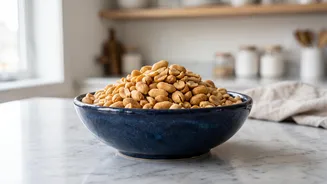
this trial, participants were asked to eat 60 grams of unsalted, skin-roasted peanuts every day for 16 weeks. To ensure the results were reliable, the study used a 'crossover' design; this means the same group also went through a 16-week period where they ate no peanuts, allowing researchers to compare the effects directly within the same individuals. This high-quality method helps pinpoint the specific impact of adding peanuts to the diet.
The Key Finding: More Blood, Better Memory
So, what did the scientists find? Using advanced MRI techniques, they discovered that daily peanut consumption led to a significant increase in blood flow within the brain. Specifically, global cerebral blood flow (CBF) increased by 3.6%, and blood flow to the brain's grey matter rose by 4.5%. Why is this important? Your brain relies on a steady supply of oxygen and nutrients delivered by your blood to function properly. Improved blood flow is a sign of healthier brain--vessels. This physical change was linked to a tangible cognitive benefit: participants showed a 5.8% improvement in verbal memory tests, correctly recalling more words after a delay. The researchers concluded that the improved brain vascular function could be the mechanism explaining the memory boost.
Why Peanuts? The Power of Bioactive Compounds
Peanuts are more than just a source of protein and healthy fats. They are packed with bioactive compounds, particularly polyphenols, which are potent antioxidants found in the peanut's thin, papery skin. These compounds are believed to play a key role in protecting the body against oxidative stress and inflammation, two processes linked to aging and cognitive decline. The study specifically used skin-roasted peanuts, ensuring participants got a full dose of these beneficial substances. Additionally, peanuts are rich in arginine, an amino acid that helps relax blood vessels, and other nutrients like vitamin E, which also support vascular health. This combination of nutrients likely works together to produce the positive effects seen on blood flow and brain function.
Context is Key: This is Not a Magic Bullet
While these findings are exciting, it is important to keep them in perspective. This was a relatively small study, with only 31 participants. Although the results were statistically significant, larger and longer studies are needed to confirm these benefits across different populations. Furthermore, another study involving overweight older adults with memory complaints did not find significant changes in cognition after a 12-week peanut intervention, highlighting that results can vary. The study also showed no improvement in other cognitive areas like executive function or processing speed. Therefore, while adding peanuts to your diet appears beneficial, they should be seen as one part of a comprehensive approach to brain health, which includes an overall healthy diet, regular exercise, and social engagement.
How to Incorporate Peanuts into Your Diet
Inspired to add more peanuts to your meals? The study participants consumed about 60 grams a day, which is roughly two small handfuls. To reap the potential benefits, opt for unsalted, skin-on roasted peanuts, as the skin contains many of the valuable polyphenols. You can enjoy them as a simple snack, toss them into salads or stir-fries for extra crunch, or blend them into smoothies. Remember that peanuts are calorie-dense, so it’s wise to substitute them for other snacks rather than simply adding them on top of your existing diet to manage your overall calorie intake effectively. The research builds on a larger body of evidence suggesting that diets rich in nuts and legumes, like the Mediterranean diet, support long-term cognitive health.