






The Irresistible Taste and Hidden Dangers
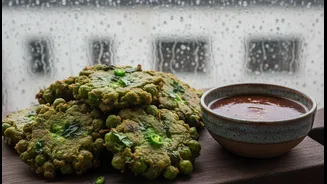
There’s a reason we crave the chutneys served with chaat, samosas, and other street-side delicacies. They are fresh, potent, and perfectly balanced. However, street food is often prepared in conditions that are hard to replicate and even harder to ensure
are hygienic. Studies have shown that street-vended chutneys can sometimes be contaminated with bacteria like E. coli and Salmonella. These pathogens often come from contaminated water, unwashed raw ingredients like fresh herbs, or improper storage at room temperature, which allows bacteria to multiply. When you bring these recipes into your home kitchen, it's crucial to understand these risks to prevent foodborne illnesses.
Start Clean: The Foundation of Safe Chutney
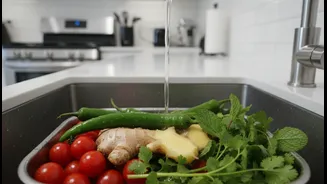
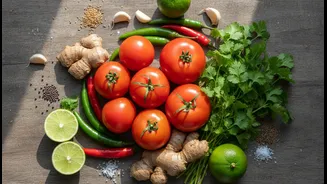
Food safety begins long before you switch on the blender. The quality and cleanliness of your ingredients are paramount. Always thoroughly wash fresh herbs like mint and coriander, as well as chillies, tomatoes, and any other vegetables under clean, running water. Raw herbs and spices can be a source of contamination if not handled correctly. Using filtered or boiled water instead of tap water for blending can also significantly reduce the risk of introducing harmful microbes. For cooked chutneys, such as those made with tamarind or apples, ensure all produce is washed and sound before the cooking process begins.
Preparation with Precision and Hygiene
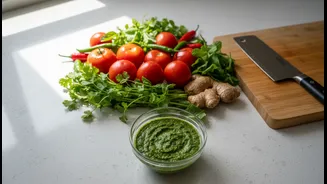
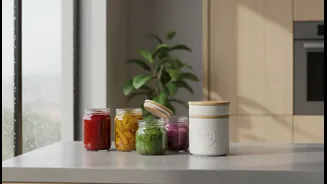
Your preparation area and tools are the next critical checkpoint. Ensure your hands, chopping boards, knives, and blender jars are impeccably clean. It's also wise to sterilise the glass jars you plan to store your chutney in. This can be done by washing them in hot, soapy water and then boiling them for 10-15 minutes or heating them in an oven. Make sure the jars are completely dry before use. For cooked chutneys, using a stainless steel pot is recommended to prevent metals from leaching into the acidic mixture. When following a recipe, especially for preserved chutneys, stick to the specified quantities of acidic ingredients like vinegar or lemon juice, as these are crucial for safety.
Smart Storage: Making Your Chutney Last
How you store your chutney is perhaps the most critical step in ensuring its safety. Fresh, uncooked chutneys, like a classic mint-coriander blend, are highly perishable and should always be refrigerated in an airtight container and consumed within a few days. For longer life, you can add natural preservatives. A little vinegar or lemon juice can lower the pH, making it harder for bacteria to grow. A layer of oil on top can also act as a barrier against air and microbes. For sweet chutneys, sugar and jaggery act as natural preservatives. Cooked chutneys generally last longer due to the heat treatment, but they too must be stored correctly. Always refrigerate any chutney after opening.
Freeze for Freshness and Long-Term Use
If you've made a large batch of fresh chutney, the freezer is your best friend. Freezing is an excellent way to preserve the chutney's flavour and safety for several months. A popular method is to pour the chutney into an ice cube tray. Once frozen, you can transfer the cubes to a freezer bag. This allows you to thaw small, convenient portions as needed without compromising the entire batch. Just take out a cube an hour or so before your meal. This technique is particularly effective for fresh green chutneys, which tend to lose their vibrant colour and flavour quickly in the refrigerator.
Know When to Throw It Out
You cannot always see, smell, or taste the bacteria that cause food poisoning, but there are some clear signs that your chutney has spoiled. Discard any chutney that has visible mould, an unusual or 'off' smell, or has changed in colour or texture. A fermented or alcoholic smell is a definite red flag. If the lid of your jar is bulging or the seal is broken, do not consume the contents, as this can be a sign of dangerous bacterial growth like botulism, especially in improperly canned or oil-based preparations. When in doubt, it is always safest to throw it out.