


The Science of Natural Cooling
Before diving into specific ideas, it helps to understand why plants are so effective at cooling spaces. The primary mechanism is called evapotranspiration. Plants draw water from the soil and release it as vapour through their leaves, a process that
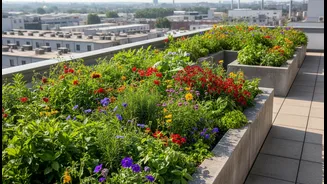
absorbs heat and cools the surrounding air. A single large tree can have the cooling power of multiple air conditioning units. Secondly, the leaves of plants provide direct shade, preventing concrete floors and walls from absorbing and radiating the sun's intense heat, which is a major cause of the 'urban heat island' effect. By combining these two principles, even a small collection of plants can noticeably lower the temperature on your terrace.
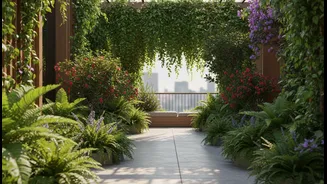
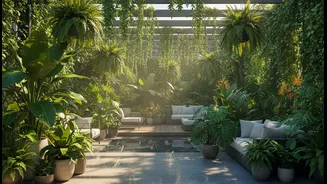
Embrace Climbers and Vines for a Living Curtain
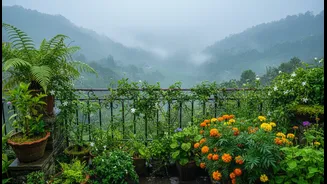
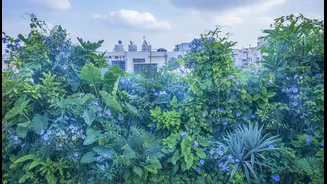
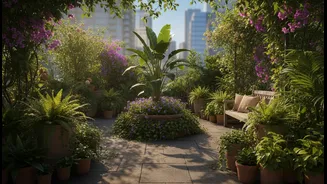
One of the most effective ways to reduce heat is to stop sunlight from hitting your terrace surfaces in the first place. Fast-growing climbing plants like Bougainvillea, Rangoon Creeper (Madhumalti), and Butterfly Pea (Aparajita) can be trained up a simple trellis or string network to form a dense 'living curtain'. These plants are well-suited to Indian climates and thrive in full sun. Not only do they create a beautiful, flowering wall, but they also provide significant shade, which can reduce surface temperatures dramatically. For a quick setup, install a metal or wooden frame a few inches from the wall to allow air circulation, and guide the young plants upwards. The Betel leaf plant is another excellent climber that provides broad leaves for shading.
Create a Vertical Green Wall
If floor space is limited, go vertical. A green wall, or living wall, is a fantastic way to introduce a large volume of cooling greenery without cluttering your terrace. You can purchase modular vertical garden kits online or from local nurseries, which consist of panels with pockets or pots that can be fixed to a wall. These are surprisingly easy to install and maintain. Plant them with lightweight, fast-growing species like spider plants, ferns, and money plants. These plants are great for cooling because they have high rates of transpiration. The wall itself will also be shaded by the foliage, reducing heat transfer into your home.
Group Large-Leaved Plants for a Cooling Oasis
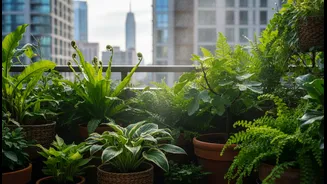
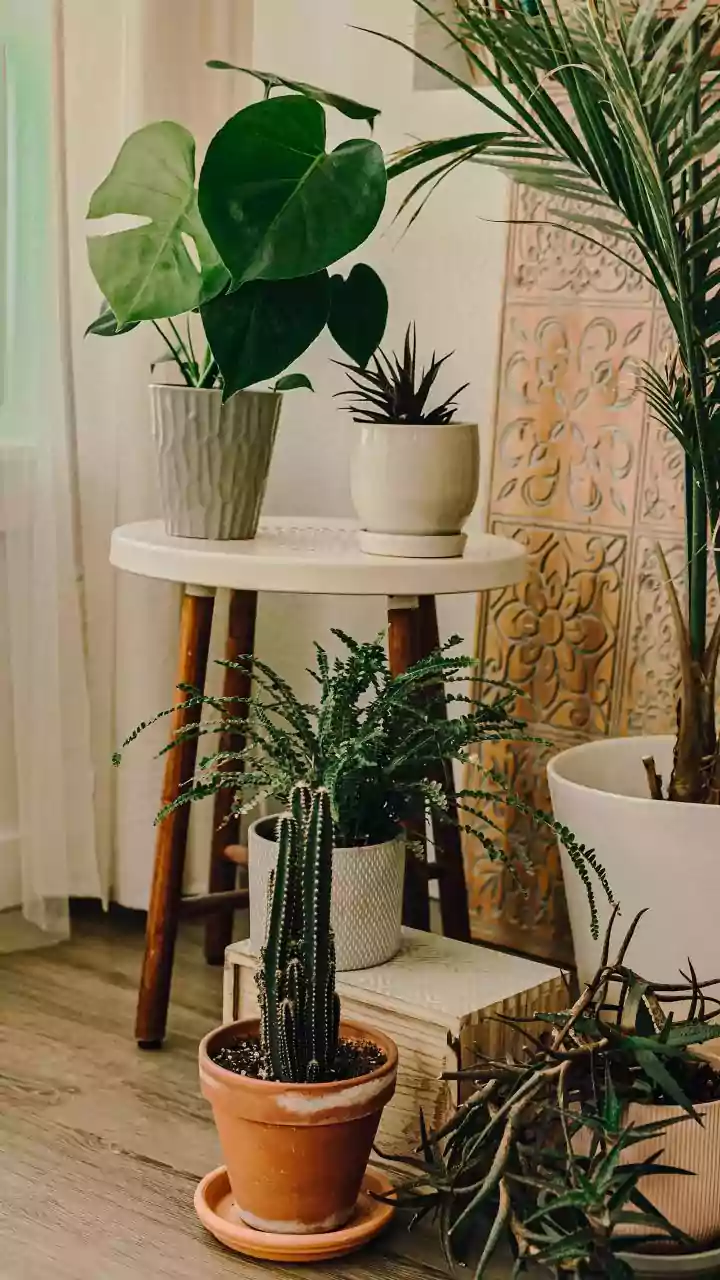
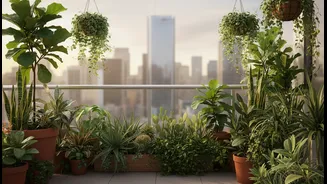
Think of plants with large leaves as natural evaporative coolers. Species like Elephant Ear (Colocasia) and dwarf banana plants have massive leaf surfaces that release significant amounts of water vapour, creating a cooler microclimate around them. Grouping several large potted plants together enhances this effect. Consider placing taller plants like Areca Palms at the back to create a layered effect that blocks sun and wind, with shorter, bushier plants in front. This arrangement not only looks lush but also functions as a highly effective, self-regulating cooling zone.
Utilise Smart Potting and Placement
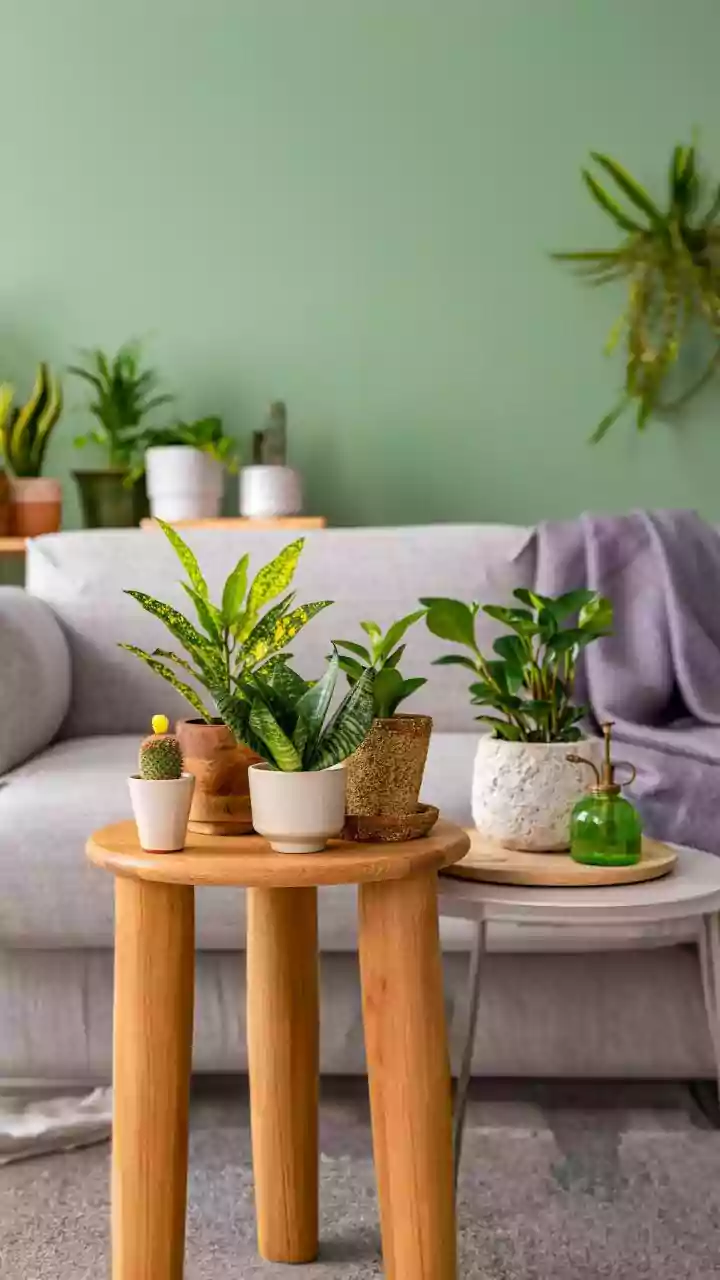
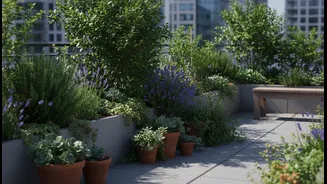
The type of pots you use and where you place them matters. Dark-coloured plastic pots can absorb a lot of heat, potentially harming plant roots. Opt for lighter-coloured ceramic or traditional terracotta pots, which stay cooler. Mulching the topsoil with materials like coconut husk or bark chips helps retain moisture and keeps the roots cool, reducing watering frequency. Also, consider the microclimate of your terrace; a west-facing balcony gets the harshest afternoon sun and will benefit most from dense shading plants. You can also paint your terrace floor with a reflective cool coating to reduce heat absorption.
Add a Simple Water Feature
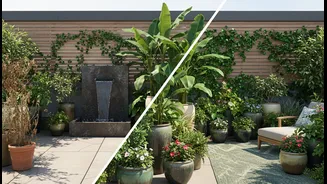
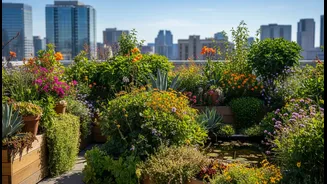
The sound of moving water is inherently calming, but it also contributes to cooling through evaporation. You don’t need a massive fountain; a small, self-contained tabletop water feature or a large urn filled with water and some aquatic plants can make a difference. The evaporating water will gently lower the ambient temperature in its immediate vicinity, and when combined with the cooling effect of your plants, it can create a truly refreshing outdoor retreat.